







Can a Ball Nose Router Bit be used for Making Sculptures?
As a supplier of ball nose router bits, I've had countless inquiries from artists, woodworkers, and hobbyists about the potential of these tools in the art of sculpture. In this blog post, I'll explore whether a ball nose router bit can indeed be used for making sculptures, delving into its features, advantages, limitations, and the types of sculptures it's best suited for.
Understanding the Ball Nose Router Bit
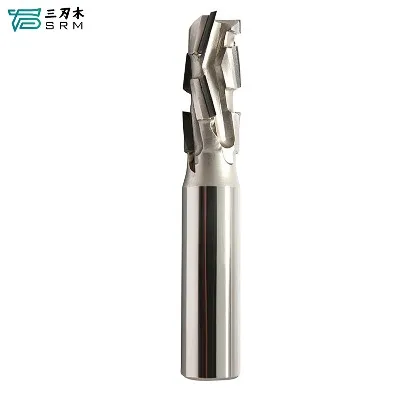
A ball nose router bit, as the name suggests, has a spherical tip. This design sets it apart from other router bits, such as straight bits or V-bits. The rounded end allows for smooth, curved cuts, making it an ideal choice for creating three-dimensional shapes. The bit is typically made from high-quality materials like solid carbide, which provides excellent durability and sharpness, ensuring clean and precise cuts even in hard woods and other dense materials.


Advantages of Using a Ball Nose Router Bit for Sculptures
- Smooth Curved Cuts: One of the primary advantages of a ball nose router bit is its ability to create smooth, flowing curves. In sculpture, curved surfaces are often used to add a sense of movement and organic form. Whether you're sculpting a human figure, an animal, or an abstract design, the ball nose bit can help you achieve those delicate curves with ease. For example, when sculpting the body of a bird, the rounded tip of the bit can smoothly follow the contours of the feathers, creating a realistic and detailed effect.
- Three-Dimensional Shaping: Sculpture is all about creating three-dimensional forms, and the ball nose router bit excels in this area. Unlike flat-bottomed or straight bits that can only make flat or linear cuts, the ball nose bit can cut into the material at various angles, allowing you to build up layers and create depth. This makes it possible to sculpt complex shapes, such as spheres, cones, and cylinders, directly from a block of wood or other materials.
- Versatility: Ball nose router bits come in a variety of sizes, from small diameters for detailed work to larger ones for rough shaping. This versatility allows you to use the same tool for different stages of the sculpting process. You can start with a larger bit to remove the bulk of the material and then switch to a smaller bit for fine detailing. Additionally, ball nose bits can be used on a wide range of materials, including wood, plastic, foam, and even some metals, making them a valuable tool for sculptors working with different mediums.
Limitations of Using a Ball Nose Router Bit for Sculptures
- Flat Surface Limitations: While the ball nose router bit is great for creating curves, it's not the best choice for creating flat surfaces. The rounded tip of the bit will always leave a slight curve, which can be a problem if you need a perfectly flat surface in your sculpture. In such cases, you may need to use a different type of router bit, such as a straight bit, to achieve the desired flatness.
- Material Removal Rate: Compared to some other router bits, the ball nose router bit may have a slower material removal rate. This is because the rounded tip distributes the cutting force over a larger area, resulting in a more gradual removal of material. If you're working on a large-scale sculpture and need to remove a significant amount of material quickly, you may find that the ball nose bit takes longer than other bits. However, this can also be an advantage in some cases, as it allows for more control and precision during the sculpting process.
Types of Sculptures Suitable for Ball Nose Router Bits
- Organic and Figurative Sculptures: As mentioned earlier, the ball nose router bit's ability to create smooth curves makes it an excellent choice for organic and figurative sculptures. Whether you're sculpting a human face, an animal, or a natural landscape, the bit can help you capture the subtle curves and contours of the subject. For example, when sculpting a human hand, the ball nose bit can be used to create the rounded fingers, the curves of the palm, and the delicate folds of the skin.
- Abstract Sculptures: Abstract sculptures often rely on unique shapes and forms to convey a message or evoke an emotion. The ball nose router bit's versatility allows you to experiment with different shapes and textures, creating one-of-a-kind abstract sculptures. You can use the bit to create smooth, flowing lines, as well as more angular and geometric shapes, depending on your artistic vision.
- Relief Sculptures: Relief sculptures are sculptures that are carved or modeled onto a flat surface, creating a three-dimensional effect. The ball nose router bit can be used to create the raised areas and contours of a relief sculpture, adding depth and dimension to the design. You can use the bit to carve intricate details, such as patterns or textures, into the surface of the sculpture, enhancing its visual appeal.
Other Router Bits for Sculpting
While the ball nose router bit is a versatile tool for sculpting, it's not the only option available. Depending on the specific requirements of your sculpture, you may also want to consider using other types of router bits. For example, the Double-ended Spiral Saw Bit is designed for making precise cuts in various materials, including wood and plastic. Its double-ended design allows for extended use, as you can simply flip the bit when one end becomes dull.
The Round Slotting Router Bit is ideal for creating round slots and grooves in your sculptures. It can be used to add decorative elements or functional features to your work. Additionally, the Spiral Up Cut Bits are great for removing chips and debris from the cutting area, ensuring a clean and efficient cutting process.
Tips for Using a Ball Nose Router Bit for Sculptures
- Choose the Right Bit Size: Selecting the appropriate bit size is crucial for achieving the desired results in your sculpture. For rough shaping, a larger bit size will allow you to remove material quickly. For fine detailing, a smaller bit size will give you more control and precision. Consider the size and complexity of your sculpture when choosing the bit size.
- Use the Right Speed and Feed Rate: The speed and feed rate of your router can have a significant impact on the quality of your cuts. Generally, a slower speed is recommended for detailed work, while a faster speed can be used for rough shaping. Experiment with different speeds and feed rates to find the optimal settings for your specific project.
- Secure Your Material: Make sure your material is securely clamped or fastened to your work surface before starting to route. This will prevent the material from moving or shifting during the cutting process, ensuring accurate and consistent cuts.
- Take Your Time: Sculpting is a creative process that requires patience and attention to detail. Don't rush the process, and take the time to make each cut carefully. This will help you achieve the best possible results and avoid mistakes.
Conclusion
In conclusion, a ball nose router bit can be an excellent tool for making sculptures. Its ability to create smooth curves, three-dimensional shapes, and its versatility make it a valuable asset for sculptors of all skill levels. While it has some limitations, such as its difficulty in creating flat surfaces and slower material removal rate, these can be overcome with the right techniques and the use of other router bits when necessary.
If you're interested in using ball nose router bits for your sculpting projects, or if you have any questions about our products, we'd love to hear from you. Feel free to reach out to us to discuss your specific needs and explore the possibilities of using our high-quality router bits in your work.
References
- "Router Bit Basics" by Wood Magazine
- "Sculpting Techniques with Router Bits" by Fine Woodworking


