








Can a ball nose router bit be used on softwood? Well, that's a question I get asked a lot as a supplier of ball nose router bits. Let's dive right in and explore this topic.


First off, what exactly is a ball nose router bit? It's a type of router bit with a rounded tip, which gives it a unique cutting ability compared to other router bits. The rounded end allows for smooth, curved cuts and is great for creating 3D shapes, contouring, and detailed work.
Softwood, on the other hand, is a type of wood that comes from coniferous trees like pine, cedar, and spruce. It's generally softer and easier to work with than hardwoods, which makes it a popular choice for many woodworking projects.
So, can you use a ball nose router bit on softwood? The short answer is yes, you absolutely can. In fact, using a ball nose router bit on softwood has several advantages.
One of the main benefits is the smooth finish it can achieve. The rounded tip of the ball nose router bit glides through the softwood, leaving a clean and polished surface. This is especially important for projects where a high - quality finish is desired, like making furniture, cabinetry, or decorative pieces.
Another advantage is the ability to create complex shapes. Softwood is more forgiving than hardwood, and the ball nose router bit can easily carve out curves, arcs, and intricate designs. Whether you're making a decorative molding or a custom - shaped inlay, the ball nose router bit is up to the task.
However, there are also a few things to keep in mind when using a ball nose router bit on softwood. One of the key considerations is the feed rate. Softwood is less dense than hardwood, so you can generally use a faster feed rate. But be careful not to go too fast, as this can cause the bit to tear or chip the wood. A good rule of thumb is to start with a slower feed rate and gradually increase it as you get a feel for how the bit is cutting.
The speed of the router is also important. You want to make sure the router is running at the appropriate speed for the bit and the wood. If the speed is too low, the bit may not cut effectively, and if it's too high, it can cause excessive heat and damage to the bit and the wood.
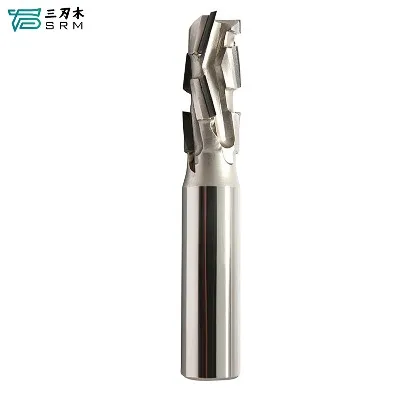
Now, let's talk about some of the other types of router bits that are related to ball nose router bits. For roughing out large areas of softwood, you might want to consider using End Mills for Roughing. These bits are designed to remove material quickly and are great for getting the basic shape of your project started.
If you need to create round slots in your softwood project, a Round Slotting Router Bit is a great option. It can cut precise round slots with ease, which is useful for things like creating joints or adding decorative elements.
And if you're working with softwood that has a bit of a challenge, like some types of softwood that can be a bit gummy, an Aluminum Router Bit might be a good choice. These bits are designed to handle different types of materials, including softwood, and can provide a clean cut.
When it comes to choosing the right ball nose router bit for your softwood project, there are a few factors to consider. The size of the bit is important. Smaller ball nose router bits are great for detailed work, while larger ones are better for covering larger areas. The material of the bit also matters. Carbide - tipped ball nose router bits are generally more durable and can provide a better cut than bits made from other materials.
Maintenance is also crucial. After using your ball nose router bit on softwood, make sure to clean it properly. Softwood can leave behind sawdust and resin, which can build up on the bit and affect its performance. You can use a brush or a bit of solvent to clean the bit and keep it in good condition.
In conclusion, a ball nose router bit is a great tool to use on softwood. It offers a smooth finish, the ability to create complex shapes, and with the right techniques, it can help you achieve amazing results in your woodworking projects. Whether you're a professional woodworker or a hobbyist, having a ball nose router bit in your toolbox is a smart choice.
If you're interested in purchasing ball nose router bits or any of the other router bits I mentioned, feel free to reach out for a chat. We can discuss your specific needs and find the perfect bit for your next softwood project.
References
- Woodworking Handbook: A Guide to Tools and Techniques
- Router Bit Basics: Understanding Different Types and Their Uses


