








Can a Forstner drill bit be used for drilling in plastic? This is a question that often comes up among DIY enthusiasts, professional craftsmen, and those involved in various plastic - working projects. As a supplier of Forstner drill bits, I'm here to delve into this topic and provide you with comprehensive insights.
The Basics of Forstner Drill Bits
Forstner drill bits are known for their unique design. They have a flat bottom and a center point, which allows them to drill precise, flat - bottomed holes. Unlike twist drill bits that create conical holes, Forstner bits produce holes with a smooth and flat surface at the bottom. This makes them ideal for applications where a clean, accurate hole is required, such as in woodworking for inlay work, dowel holes, and cabinetry.
Properties of Plastic
Plastic is a diverse material with a wide range of properties. It can be rigid like PVC (polyvinyl chloride) or flexible like polyethylene. Some plastics are brittle, while others are more ductile. The density, hardness, and melting point of different plastics vary significantly. For example, acrylic is a relatively hard plastic, while nylon is more flexible and has a lower melting point.
Advantages of Using Forstner Drill Bits in Plastic
- Precision Holes: One of the main advantages of using a Forstner drill bit in plastic is the ability to create precise, flat - bottomed holes. This is particularly useful in applications where components need to fit together snugly, such as in plastic enclosures or for mounting hardware.
- Reduced Chipping: Forstner bits have a cutting edge that is designed to minimize chipping. When drilling in plastic, chipping can be a major issue, especially with brittle plastics. The sharp, circular cutting edge of a Forstner bit helps to cut through the plastic cleanly, reducing the likelihood of chipping at the edges of the hole.
- Smooth Finish: The flat bottom and smooth cutting action of Forstner drill bits result in a smooth interior surface of the hole. This is beneficial for applications where a smooth finish is required, such as in plumbing or electrical installations where wires or pipes need to pass through the holes without snagging.
Challenges of Using Forstner Drill Bits in Plastic
- Heat Generation: Plastic has a relatively low melting point compared to metals. When drilling with a Forstner bit, the friction between the bit and the plastic can generate heat. If the heat is not dissipated properly, it can cause the plastic to melt or deform around the hole. This can lead to a poor - quality hole and may even damage the drill bit.
- Clogging: Plastic shavings can accumulate on the cutting edges of the Forstner bit, causing it to clog. This can reduce the cutting efficiency of the bit and may also lead to overheating. Regular cleaning of the bit during the drilling process is necessary to prevent clogging.
- Material Compatibility: Not all plastics are suitable for drilling with Forstner bits. Brittle plastics, such as polystyrene, may crack or shatter during the drilling process. Softer plastics may deform easily under the pressure of the drill bit. It's important to consider the type of plastic before using a Forstner bit.
Tips for Drilling Plastic with Forstner Drill Bits
- Choose the Right Speed: The drilling speed is crucial when working with plastic. A high - speed drill can generate too much heat, while a low - speed drill may not cut through the plastic effectively. It's recommended to start with a lower speed and gradually increase it as needed.
- Use Lubrication: Applying a lubricant, such as wax or a specialized plastic - drilling lubricant, can help reduce friction and heat generation. This can prevent the plastic from melting and also make the drilling process smoother.
- Secure the Workpiece: Make sure the plastic workpiece is firmly secured before drilling. This will prevent it from moving or vibrating during the drilling process, which can lead to inaccurate holes or damage to the workpiece.
Other Drill Bits for Plastic
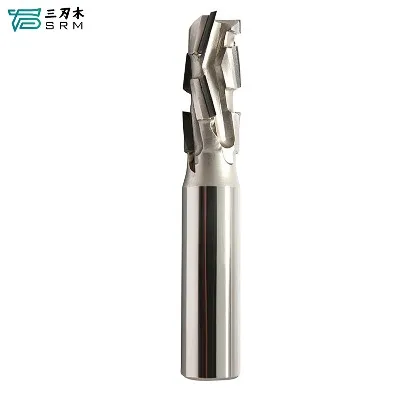
While Forstner drill bits can be used for drilling in plastic, there are other types of drill bits that are also suitable. For example, Solid Carbide Dowel Drill Bit is a good option for creating precise holes in plastic. These bits are made of solid carbide, which provides excellent cutting performance and durability.
Through Hole Drill Bit is another type of drill bit that can be used for drilling through plastic. They are designed to create holes that go all the way through the material, which is useful for applications such as plumbing or electrical wiring.


Countersink Drill Bit can be used to create a conical recess at the top of a hole in plastic. This is often used when a screw or bolt needs to be flush with the surface of the plastic.
Conclusion
In conclusion, a Forstner drill bit can be used for drilling in plastic, but it comes with both advantages and challenges. The precision and smooth finish it offers make it a good choice for many plastic - working applications. However, proper techniques and considerations are necessary to overcome the challenges of heat generation, clogging, and material compatibility.
If you're in the market for high - quality Forstner drill bits or other types of drill bits for plastic - working projects, feel free to reach out to us. We're a leading supplier of drill bits, and we're committed to providing you with the best products and support. Contact us to discuss your specific requirements and start your next project with confidence.
References
- "Plastics Engineering Handbook"
- "Drilling Techniques for Different Materials"


