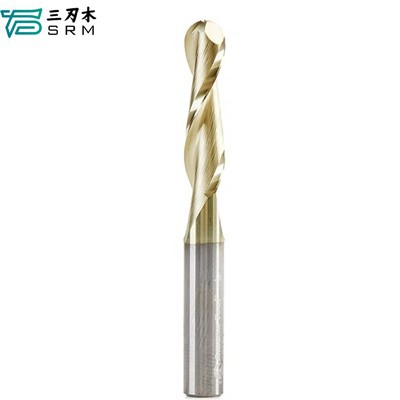


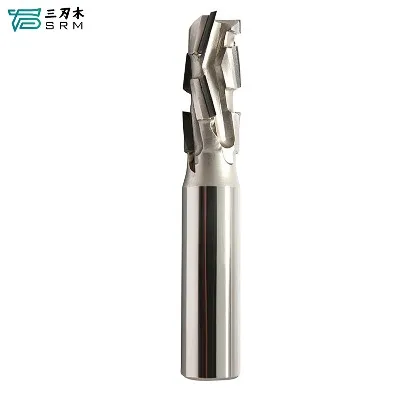



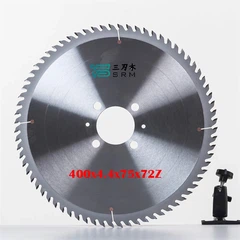


As a leading supplier of Planer Cutterheads, I often encounter various inquiries from customers regarding the capabilities and applications of our products. One common question that frequently arises is whether a planer cutterhead can be used for bevel cutting. In this blog post, I will delve into this topic, exploring the feasibility, advantages, and considerations of using a planer cutterhead for bevel cutting.
Understanding Planer Cutterheads
Before we discuss bevel cutting, it's essential to understand what a planer cutterhead is and how it functions. A Planer Cutterhead is a crucial component in woodworking machinery, designed to remove material from the surface of a workpiece to achieve a smooth and even finish. It consists of multiple cutting knives arranged in a spiral pattern around a cylindrical body. The rotation of the cutterhead allows the knives to make precise cuts, resulting in a high-quality surface finish.
Can a Planer Cutterhead Be Used for Bevel Cutting?
The short answer is yes, a planer cutterhead can be used for bevel cutting. However, several factors need to be considered to ensure successful bevel cutting operations.
Feasibility
Bevel cutting involves cutting a workpiece at an angle other than 90 degrees. A planer cutterhead can be adjusted to achieve bevel cuts by tilting the cutterhead or the workpiece. Most modern planer cutterheads are designed with adjustable features that allow for precise angle adjustments, making them suitable for bevel cutting.
Advantages
- Versatility: Using a planer cutterhead for bevel cutting provides versatility in woodworking projects. It allows you to create beveled edges on various types of wood, including hardwoods, softwoods, and engineered woods.
- Precision: Planer cutterheads are known for their precision and accuracy. When properly adjusted, they can produce consistent bevel cuts with minimal error, ensuring high-quality results.
- Efficiency: Bevel cutting with a planer cutterhead is a relatively fast and efficient process. It can significantly reduce the time and effort required compared to traditional hand tools.
Considerations
- Cutterhead Design: Not all planer cutterheads are suitable for bevel cutting. Some cutterheads may have limitations in terms of the maximum angle they can achieve or the type of bevel cuts they can perform. It's important to choose a cutterhead that is specifically designed for bevel cutting or has adjustable features to accommodate different angles.
- Workpiece Material: The type of workpiece material can also affect the bevel cutting process. Hardwoods may require a different cutting speed and feed rate compared to softwoods. Additionally, some materials may be more prone to chipping or tearing, which can affect the quality of the bevel cut.
- Safety: Bevel cutting can be a dangerous operation if not performed correctly. It's important to follow all safety guidelines and use appropriate safety equipment, such as safety glasses, ear protection, and a dust collection system.
Using a Planer Cutterhead for Bevel Cutting
To use a planer cutterhead for bevel cutting, follow these steps:
- Choose the Right Cutterhead: Select a planer cutterhead that is suitable for bevel cutting. Consider the maximum angle the cutterhead can achieve, the type of bevel cuts it can perform, and the compatibility with your woodworking machinery.
- Adjust the Cutterhead: If your cutterhead is adjustable, set the desired bevel angle according to your project requirements. Make sure to follow the manufacturer's instructions for adjusting the cutterhead.
- Prepare the Workpiece: Ensure that the workpiece is clean, dry, and free of any debris. Mark the bevel angle on the workpiece using a protractor or a bevel gauge.
- Set the Feed Rate: Adjust the feed rate of the woodworking machinery according to the type of workpiece material and the desired cutting speed. A slower feed rate may be required for harder materials or when making deeper bevel cuts.
- Make the Bevel Cut: Slowly feed the workpiece through the planer cutterhead, making sure to maintain a consistent feed rate and pressure. Use a push stick or a feed roller to guide the workpiece through the cutterhead.
- Inspect the Cut: After making the bevel cut, inspect the workpiece to ensure that the cut is smooth and consistent. If necessary, make any adjustments to the cutterhead or the feed rate to improve the quality of the cut.
Additional Tools and Accessories
In addition to a planer cutterhead, there are several tools and accessories that can enhance the bevel cutting process. These include:


- Adjustable Edge Profiling Sets: These sets allow you to create custom bevel profiles on the edges of your workpiece. They are available in various shapes and sizes, allowing you to achieve different bevel angles and profiles.
- Rabbeting Cutter Heads with 40mm Profile Knives: These cutter heads are designed specifically for rabbeting operations, which involve cutting a recess or a groove in the edge of a workpiece. They can also be used for bevel cutting, providing additional versatility in your woodworking projects.
Conclusion
In conclusion, a planer cutterhead can be used for bevel cutting, providing versatility, precision, and efficiency in woodworking projects. However, it's important to choose the right cutterhead, adjust it correctly, and follow all safety guidelines to ensure successful bevel cutting operations. By using a planer cutterhead for bevel cutting, you can create high-quality beveled edges on various types of wood, enhancing the overall appearance and functionality of your woodworking projects.
If you are interested in purchasing a planer cutterhead or other woodworking tools and accessories, please feel free to contact us for more information. Our team of experts is available to assist you in selecting the right products for your specific needs and provide you with professional advice and support.
References
- Woodworking Machinery Handbook
- Woodworking Magazine
- Manufacturer's Instructions for Planer Cutterheads