



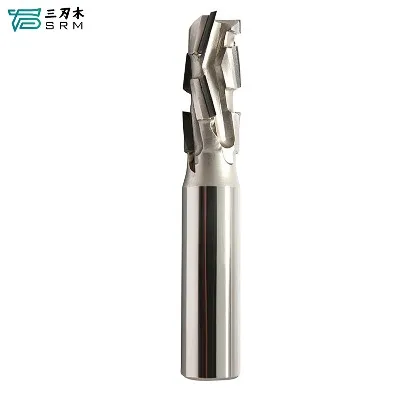





Hey there, fellow woodworking enthusiasts! If you're into CNC woodworking, you know how crucial it is to pick the right dovetail CNC bit for your project. As a dovetail CNC bit supplier, I've seen my fair share of projects go wrong because of the wrong bit selection. So, I'm here to share some tips on how you can choose the perfect dovetail CNC bit for your next project.
Understanding Dovetail CNC Bits
First things first, let's talk about what dovetail CNC bits are. These bits are designed to create dovetail joints, which are one of the strongest and most aesthetically pleasing joints in woodworking. They're used in a variety of projects, from cabinets and drawers to furniture and boxes.
Dovetail CNC bits come in different shapes and sizes, and each one is designed for a specific type of dovetail joint. The most common types are the standard dovetail, the half-blind dovetail, and the sliding dovetail. Each type has its own unique characteristics and is used in different applications.
Factors to Consider When Choosing a Dovetail CNC Bit
1. Material
The first thing you need to consider is the material you'll be working with. Different materials require different types of bits. For example, if you're working with hardwoods like oak or maple, you'll need a bit that's made from a high-quality carbide or diamond-tipped material. These bits are more durable and can withstand the high pressure and friction of cutting through hard materials.
On the other hand, if you're working with softwoods like pine or cedar, you can use a bit that's made from a less expensive material, like high-speed steel. These bits are still effective for cutting through softwoods, but they may not last as long as carbide or diamond-tipped bits.
2. Bit Size
The size of the bit you choose will depend on the size of the dovetail joint you want to create. Dovetail CNC bits come in a variety of sizes, ranging from small bits for creating delicate joints to large bits for creating larger joints.


When choosing a bit size, it's important to consider the thickness of the material you'll be working with. You'll want to choose a bit that's slightly smaller than the thickness of the material to ensure a proper fit.
3. Bit Shape
The shape of the bit is also an important factor to consider. Different shapes are designed for different types of dovetail joints. For example, a standard dovetail bit has a straight cutting edge, while a half-blind dovetail bit has a curved cutting edge.
When choosing a bit shape, it's important to consider the type of dovetail joint you want to create. You'll want to choose a bit that's designed for the specific type of joint you're working on.
4. Shank Size
The shank size of the bit is the part that fits into the CNC router. It's important to choose a bit with a shank size that's compatible with your router. Most CNC routers have a standard shank size of 1/4 inch or 1/2 inch, so make sure you choose a bit with the appropriate shank size.
5. Brand and Quality
Finally, it's important to choose a bit from a reputable brand. A high-quality bit will last longer and perform better than a cheap, low-quality bit. Look for brands that are known for their quality and reliability, and read reviews from other woodworkers to get an idea of which brands are the best.
Types of Dovetail CNC Bits
1. Standard Dovetail Bit
The standard dovetail bit is the most common type of dovetail bit. It's used to create a traditional dovetail joint, where the tails and pins interlock to form a strong, secure joint. Standard dovetail bits come in a variety of sizes and shapes, and they can be used on a variety of materials.
2. Half-Blind Dovetail Bit
The half-blind dovetail bit is used to create a dovetail joint where the tails are visible on one side of the joint, but the pins are hidden on the other side. This type of joint is commonly used in drawers and cabinets, where a more aesthetically pleasing look is desired.
3. Sliding Dovetail Bit
The sliding dovetail bit is used to create a dovetail joint where the tails and pins slide together to form a strong, secure joint. This type of joint is commonly used in furniture and boxes, where a strong, durable joint is required.
Other Types of Router Bits You Might Need
In addition to dovetail CNC bits, there are other types of router bits that you might need for your woodworking projects. Here are a few examples:
- Brazing Blade Straight Router Bit: This type of bit is used for straight cuts and is commonly used in a variety of woodworking projects.
- Flush Trimming Router Bit With Bearing: This type of bit is used for trimming edges and is commonly used in cabinetry and furniture making.
- TCT Chamfering Slotting Bit: This type of bit is used for creating chamfers and slots and is commonly used in a variety of woodworking projects.
Conclusion
Choosing the right dovetail CNC bit for your project is essential for achieving the best results. By considering the factors discussed in this article, you can choose a bit that's the right size, shape, and material for your project. And if you need any help or have any questions, don't hesitate to reach out to us. We're here to help you find the perfect dovetail CNC bit for your next project.
If you're interested in purchasing dovetail CNC bits or any other types of router bits, please contact us for more information. We offer a wide range of high-quality router bits at competitive prices, and we're committed to providing our customers with the best possible service.
References
- Woodworking Magazine
- Fine Woodworking
- Popular Woodworking


