



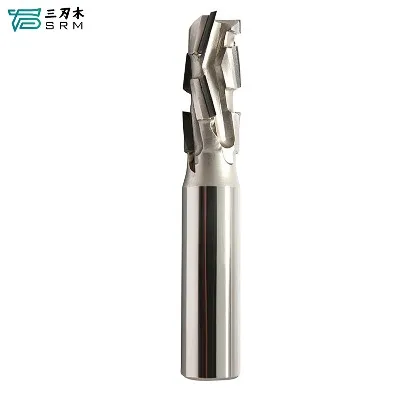

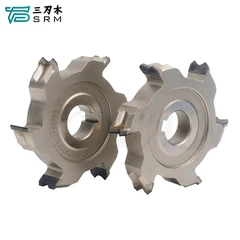



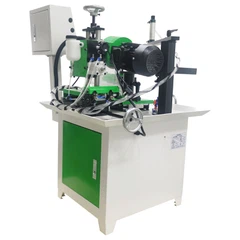

When it comes to woodworking and machining, selecting the right trimming cutterhead is crucial for achieving optimal results. As a trusted Trimming Cutterhead supplier, we understand the importance of making an informed decision. In this blog post, we will guide you through the process of choosing the perfect trimming cutterhead to meet your specific needs.
Understanding Your Requirements
The first step in choosing the right trimming cutterhead is to understand your requirements. Consider the type of material you will be working with, such as hardwood, softwood, or composite materials. Different materials have different characteristics, and the cutterhead you choose should be able to handle them effectively.


For example, if you are working with hardwood, you will need a cutterhead with sharp and durable blades that can withstand the high density and hardness of the wood. On the other hand, if you are working with softwood, a cutterhead with a more aggressive cutting edge may be more suitable.
In addition to the material, you also need to consider the thickness and width of the material you will be trimming. The cutterhead should be able to accommodate the size of the material and provide a smooth and precise cut.
Types of Trimming Cutterheads
There are several types of trimming cutterheads available on the market, each with its own advantages and disadvantages. Here are some of the most common types:
- Trimming Cutterhead: This type of cutterhead is specifically designed for trimming the edges of wood panels, such as plywood, MDF, and particleboard. It typically has a straight cutting edge and is used to remove excess material and create a smooth and straight edge.
- Planer Cutterhead: A planer cutterhead is used to plane the surface of wood to make it smooth and even. It can be used for both rough and finish planing and is available in different sizes and configurations.
- Spiral Cutterhead: Spiral cutterheads are known for their superior cutting performance and smooth finish. They have a spiral arrangement of cutting blades, which allows for a more efficient and precise cut. Spiral cutterheads are often used in high-end woodworking applications.
Factors to Consider
When choosing a trimming cutterhead, there are several factors you need to consider. Here are some of the most important ones:
- Blade Quality: The quality of the blades is crucial for the performance of the cutterhead. Look for blades that are made from high-quality materials and have a sharp cutting edge. Blades with a long lifespan will save you money in the long run.
- Cutting Speed: The cutting speed of the cutterhead is an important factor to consider. A higher cutting speed will result in a faster and more efficient cut, but it may also increase the risk of blade wear and tear. Choose a cutterhead with a cutting speed that is appropriate for your application.
- Noise Level: Some cutterheads can be quite noisy, which can be a problem in a workshop environment. Look for cutterheads that are designed to reduce noise levels and provide a more comfortable working environment.
- Maintenance: Regular maintenance is essential for the longevity and performance of the cutterhead. Choose a cutterhead that is easy to maintain and clean. Some cutterheads come with features such as self-sharpening blades, which can save you time and effort.
Compatibility
Another important factor to consider is the compatibility of the cutterhead with your machine. Make sure the cutterhead is designed to fit your specific machine and that it is compatible with the spindle speed and power requirements of your machine.
If you are unsure about the compatibility of the cutterhead with your machine, consult the manufacturer's specifications or contact our customer support team for assistance.
Cost
Cost is always a factor when making a purchasing decision. While it is important to choose a high-quality cutterhead, you also need to consider your budget. Compare the prices of different cutterheads and choose one that offers the best value for your money.
Keep in mind that a higher-priced cutterhead may offer better performance and durability, but it may not always be necessary for your specific application. Consider your needs and budget carefully before making a decision.
Conclusion
Choosing the right trimming cutterhead is essential for achieving optimal results in woodworking and machining. By understanding your requirements, considering the different types of cutterheads available, and taking into account factors such as blade quality, cutting speed, noise level, maintenance, compatibility, and cost, you can make an informed decision and choose the perfect cutterhead for your needs.
If you have any questions or need further assistance in choosing the right trimming cutterhead, please do not hesitate to contact us. Our team of experts is always ready to help you find the best solution for your woodworking needs. We look forward to working with you and helping you achieve your goals.
References
- Woodworking Machinery Handbook
- Machinery's Handbook
- Cutting Tool Engineering Magazine


