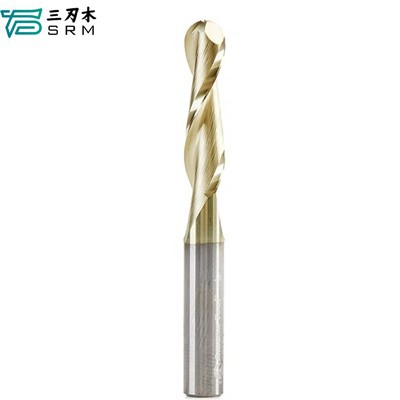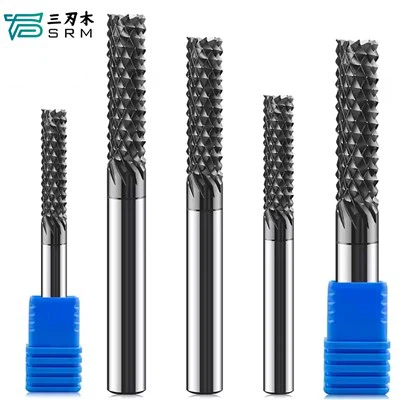


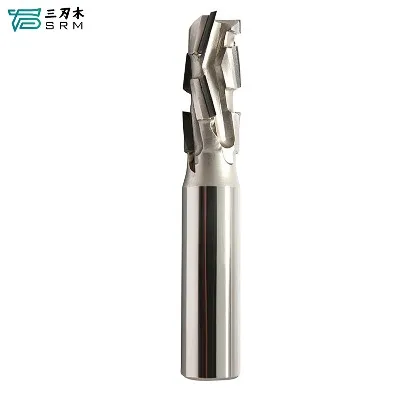

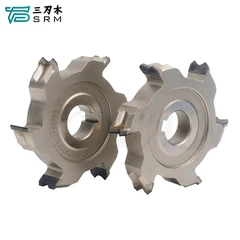
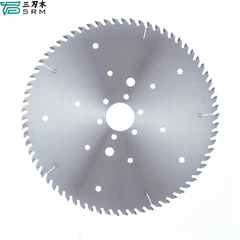


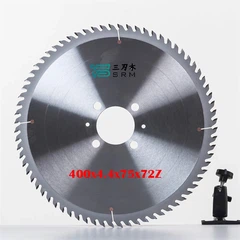



Picking the right trimming saw blade can be a real head - scratcher, especially if you're new to the woodworking or cutting game. As a trimming saw blade supplier, I've seen it all - from beginners making their first cuts to seasoned pros looking for that perfect blade. In this blog, I'll share some tips on how to choose the right trimming saw blade for your needs.
1. Consider the Material You're Cutting
The type of material you're working with is the first thing to think about. Different materials require different blade designs.
-
Wood: If you're cutting wood, you've got a few options. For general wood cutting, a blade with a high tooth count (around 60 - 80 teeth) will give you a smooth finish. For rough cuts or cutting thicker pieces of wood, a blade with fewer teeth (24 - 40 teeth) is better. It can remove material faster. For example, if you're making edge banding on wood, an Edge Banding Saw Blade is a great choice. It's designed to make clean, precise cuts on the edges of wood panels.


-
Metal: Cutting metal is a whole different ballgame. Metal - cutting saw blades are made from special materials like carbide or high - speed steel. They have a different tooth geometry compared to wood - cutting blades. The teeth are usually smaller and more closely spaced to prevent the metal from deforming or melting during the cutting process.
-
Plastic: When cutting plastic, you need a blade that won't melt or chip the material. A blade with a fine tooth pitch and a special coating can help reduce friction and heat, resulting in a clean cut.
2. Blade Size and Arbor
The size of the saw blade and the arbor (the hole in the center of the blade) are crucial factors.
-
Blade Diameter: The diameter of the blade determines the depth of cut. A larger - diameter blade can cut deeper. For most home - use table saws, a 10 - inch blade is common. In professional settings, you might see 12 - inch or even larger blades. Make sure your saw can accommodate the blade size you choose.
-
Arbor Size: The arbor size must match the arbor of your saw. Common arbor sizes are 5/8 - inch and 1 - inch. Using a blade with the wrong arbor size can be dangerous and may damage your saw.
3. Tooth Geometry
The shape and design of the teeth on the saw blade play a big role in how well it cuts.
-
Rip - Cut Teeth: These teeth are designed for cutting along the grain of the wood. They have a flat top and a beveled edge. Rip - cut blades usually have fewer teeth, which allows them to remove material quickly.
-
Cross - Cut Teeth: Cross - cut teeth are used for cutting across the grain. They have a more pointed shape and a higher tooth count. This design helps to make a smooth, clean cut.
-
Combination Blades: If you need to do both rip - cutting and cross - cutting, a combination blade is a good option. It has a mix of rip - cut and cross - cut teeth, so you can use it for different types of cuts.
4. Kerf Width
The kerf is the width of the cut made by the saw blade. A narrow kerf blade uses less material and requires less power to cut. However, it may not be as durable as a wider kerf blade. A wider kerf blade is more stable and can handle tougher materials, but it will remove more material.
5. Blade Quality and Brand
Not all saw blades are created equal. High - quality blades are made from better materials and are more precisely manufactured. They last longer and provide better cuts. It's worth investing in a good brand. Some well - known brands in the saw blade industry have a reputation for producing reliable and high - performance blades.
6. Application - Specific Blades
Depending on your specific needs, there are some application - specific blades you might want to consider.
-
Saw Blade for Sliding Table Machine: If you're using a sliding table machine, this type of blade is designed to work well with the unique features of that machine. It can provide more accurate and smooth cuts.
-
Hogging Cutter for Double End Tenoner: For double - end tenoners, a hogging cutter is used to quickly remove large amounts of material. It's a heavy - duty blade designed for high - volume production.
7. Cost
Cost is always a factor when choosing a saw blade. While it's tempting to go for the cheapest option, remember that you get what you pay for. A high - quality blade may cost more upfront, but it will last longer and give you better results in the long run.
Conclusion
Choosing the right trimming saw blade is all about understanding your needs and the characteristics of the blade. Consider the material you're cutting, the blade size and arbor, tooth geometry, kerf width, blade quality, and application - specific requirements. By taking these factors into account, you can find the perfect blade for your project.
If you're in the market for a trimming saw blade, don't hesitate to reach out. We're here to help you find the right blade for your needs. Whether you're a professional woodworker or a DIY enthusiast, we've got the expertise and the products to get the job done right.
References
- Woodworking Machinery Handbook
- Saw Blade Manufacturer's Guides