







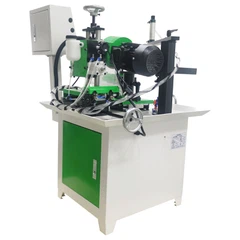

Hey there! As a supplier of Aluminum Router Bits, I've seen firsthand the challenges that come with dealing with high cutting forces during the machining process. High cutting forces can lead to a bunch of problems, like premature tool wear, poor surface finish, and even damage to the workpiece. So, in this blog post, I'm gonna share some tips on how to reduce the cutting force of an aluminum router bit.
Choose the Right Router Bit Geometry
The geometry of the router bit plays a crucial role in determining the cutting force. Different bit geometries are designed for specific applications, and choosing the right one can significantly reduce the cutting force.
Helix Angle
A higher helix angle on the router bit can help reduce the cutting force. The helix angle determines the direction and angle at which the cutting edges engage with the material. A larger helix angle allows the chips to be evacuated more efficiently, reducing the friction between the bit and the workpiece. For aluminum, router bits with a helix angle of 30 - 45 degrees are often a good choice.


Number of Flutes
The number of flutes on the router bit also affects the cutting force. Fewer flutes generally result in lower cutting forces because there is less contact area between the bit and the material. However, fewer flutes may also lead to a rougher surface finish. For roughing operations in aluminum, a router bit with 2 - 3 flutes can be a great option. On the other hand, if you need a smoother finish, you might consider a bit with 4 - 6 flutes.
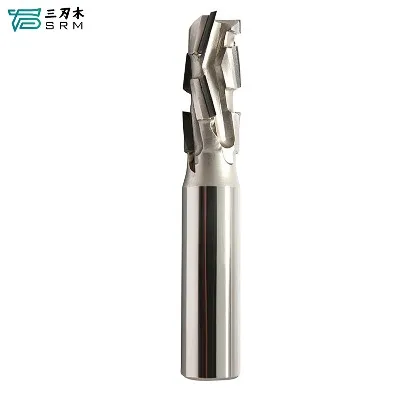
Check out our Spiral Down Cut Bit for an excellent example of a bit with optimized geometry for reduced cutting force and efficient chip evacuation.
Optimize the Cutting Parameters
The cutting parameters, such as cutting speed, feed rate, and depth of cut, have a direct impact on the cutting force. By adjusting these parameters correctly, you can minimize the cutting force and improve the overall machining performance.
Cutting Speed
The cutting speed is the speed at which the cutting edge of the router bit moves relative to the workpiece. For aluminum, a higher cutting speed can generally reduce the cutting force. This is because at higher speeds, the chips are removed more quickly, reducing the time the bit spends in contact with the material. However, it's important not to exceed the recommended cutting speed for the router bit, as this can lead to excessive heat generation and premature tool wear.
Feed Rate
The feed rate is the speed at which the workpiece moves relative to the router bit. A higher feed rate can also help reduce the cutting force, as long as it is within the capabilities of the router bit and the machine. When the feed rate is too low, the bit may rub against the material instead of cutting it cleanly, increasing the cutting force. On the other hand, if the feed rate is too high, the bit may break or cause poor surface finish.
Depth of Cut
The depth of cut refers to the thickness of the material that is removed in a single pass. A smaller depth of cut generally results in lower cutting forces. Instead of taking a large cut in one pass, it's often better to make multiple passes with a smaller depth of cut. This allows the bit to cut more easily and reduces the stress on the bit.
Use the Right Coolant or Lubricant
Using a coolant or lubricant during the machining process can significantly reduce the cutting force. Coolants and lubricants help to reduce friction between the router bit and the workpiece, dissipate heat, and improve chip evacuation.
Coolant Types
There are different types of coolants available, such as water - based coolants, oil - based coolants, and synthetic coolants. For aluminum machining, water - based coolants are often a popular choice because they are cost - effective and have good cooling properties. Oil - based coolants provide better lubrication but may be more expensive and require more maintenance.
Application Method
The coolant can be applied in different ways, such as flood cooling, mist cooling, or through - tool cooling. Flood cooling involves applying a large amount of coolant directly to the cutting area, which is effective for dissipating heat. Mist cooling sprays a fine mist of coolant onto the cutting area, providing both cooling and lubrication with less coolant consumption. Through - tool cooling delivers the coolant directly to the cutting edges through channels in the router bit, which is very efficient for chip evacuation and reducing cutting forces.
Maintain the Router Bit Properly
Proper maintenance of the router bit is essential for reducing the cutting force and ensuring its long - term performance.
Sharpening
A dull router bit will require higher cutting forces to remove the material. Regularly sharpening the router bit can restore its cutting edge and reduce the cutting force. You can either sharpen the bit yourself using a sharpening tool or send it to a professional sharpening service.
Cleaning
After each use, it's important to clean the router bit to remove any chips, debris, or coolant residue. This helps to prevent the build - up of material on the cutting edges, which can increase the cutting force and cause poor cutting performance.
Consider the Workpiece Material and Fixturing
The properties of the workpiece material and how it is fixtured can also affect the cutting force.
Workpiece Material
The quality and hardness of the aluminum material can vary. Softer aluminum alloys generally require lower cutting forces than harder ones. If possible, choose a high - quality aluminum alloy that is suitable for the machining process to reduce the cutting force.
Fixturing
Proper fixturing of the workpiece is crucial. A poorly fixtured workpiece can vibrate during the machining process, increasing the cutting force and causing poor surface finish. Make sure the workpiece is securely clamped and supported to minimize vibrations.
Conclusion
Reducing the cutting force of an aluminum router bit is a matter of choosing the right bit geometry, optimizing the cutting parameters, using the appropriate coolant or lubricant, maintaining the bit properly, and considering the workpiece material and fixturing. By following these tips, you can improve the machining efficiency, extend the tool life, and achieve a better surface finish.
If you're looking for high - quality Aluminum Router Bits or have any questions about reducing cutting forces, feel free to reach out to us. We're always happy to help you find the best solutions for your machining needs.
References
- "Machining Handbook" by Industrial Press Inc.
- "Cutting Tool Technology" by John A. Schey


