



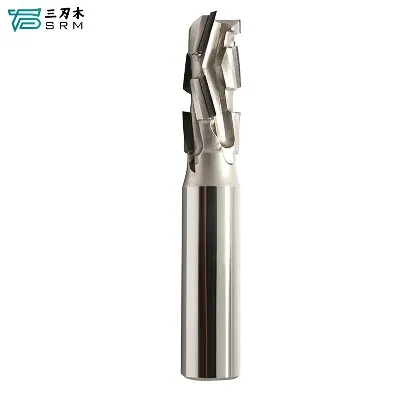





Compression bits are essential tools in various industries, especially in woodworking and machining. As a leading Compression Bits supplier, we understand the challenges that users may face when dealing with issues related to these bits. In this blog, we will explore common problems associated with compression bits and provide effective troubleshooting strategies.
Common Issues with Compression Bits
1. Poor Surface Finish
One of the most common problems is a poor surface finish on the workpiece. This can manifest as rough edges, tear - outs, or uneven cuts. Several factors can contribute to this issue.


- Dull Bits: Over time, compression bits can become dull due to continuous use. A dull bit will not cut cleanly through the material, resulting in a rough surface. For example, if you are using a compression bit to cut hardwood, a dull bit may cause the wood fibers to tear instead of being cleanly severed.
- Incorrect Feed Rate: An improper feed rate can also lead to a poor surface finish. If the feed rate is too fast, the bit may not have enough time to cut through the material properly, causing rough cuts. On the other hand, if the feed rate is too slow, it can generate excessive heat, which may damage the bit and the workpiece.
- Wrong Bit Selection: Using the wrong type of compression bit for a particular material can also result in a poor surface finish. For instance, a compression bit designed for softwoods may not work well when cutting harder materials like metal or composite materials.
2. Bit Breakage
Bit breakage is another significant issue that users may encounter. This can be a costly problem as it not only requires the replacement of the bit but can also cause damage to the workpiece and the machine.
- Excessive Force: Applying too much force when using the compression bit can cause it to break. This can happen when trying to cut through a very thick or hard material without adjusting the cutting parameters properly.
- Incorrect RPM: Running the bit at an incorrect RPM (Revolutions Per Minute) can also lead to breakage. If the RPM is too high, it can generate excessive heat and stress on the bit, making it more prone to breakage. Conversely, if the RPM is too low, the bit may not cut efficiently, leading to increased wear and potential breakage.
- Material Inconsistencies: Some materials may have internal defects or inconsistencies, such as knots in wood or inclusions in metal. When the compression bit encounters these irregularities, it can cause sudden stress on the bit, leading to breakage.
3. Chipping and Flaking
Chipping and flaking of the bit's cutting edges are common problems that can affect the performance of compression bits.
- Poor Quality Material: If the compression bit is made from low - quality carbide or other materials, it is more likely to chip or flake. High - quality materials are more resistant to wear and damage, ensuring a longer lifespan for the bit.
- Improper Handling: Mishandling the bit during installation, removal, or storage can cause chipping or flaking. For example, dropping the bit or using it in a way that subjects it to sudden impacts can damage the cutting edges.
- Incompatible Cutting Conditions: Using the bit in cutting conditions that are not suitable for its design can also lead to chipping and flaking. For instance, using a compression bit designed for dry cutting in a wet cutting environment may cause the bit to degrade more quickly.
Troubleshooting Strategies
1. Addressing Poor Surface Finish
- Sharpen or Replace the Bit: If the bit is dull, it is essential to sharpen it or replace it with a new one. Regularly inspect the bit for signs of wear and tear, and sharpen or replace it as needed. You can use a professional bit sharpener or send the bit to a specialized service for sharpening.
- Adjust the Feed Rate: Experiment with different feed rates to find the optimal speed for your specific material and bit. Start with a slower feed rate and gradually increase it until you achieve a smooth and clean cut. Refer to the manufacturer's recommendations for the recommended feed rates for different materials.
- Select the Right Bit: Make sure you are using the appropriate compression bit for the material you are cutting. Consider factors such as the material type, thickness, and hardness when choosing a bit. For example, if you are cutting a thick piece of hardwood, you may need a more robust compression bit with a higher cutting capacity. You can find a variety of suitable bits on our website, such as End Mills for Roughing, which are designed for efficient material removal and can provide a better surface finish.
2. Preventing Bit Breakage
- Reduce Excessive Force: Avoid applying too much force when using the compression bit. Let the bit do the work and use a steady, consistent feed rate. If you encounter resistance, stop and check for any issues such as a dull bit or a material obstruction.
- Set the Correct RPM: Refer to the manufacturer's specifications for the recommended RPM for your compression bit. Use a speed controller on your machine to ensure that the bit is running at the correct speed. This will help to reduce heat generation and stress on the bit, minimizing the risk of breakage.
- Inspect the Material: Before cutting, carefully inspect the material for any defects or inconsistencies. If possible, avoid cutting through areas with knots or inclusions. If you cannot avoid these areas, adjust your cutting parameters accordingly to reduce the stress on the bit.
3. Dealing with Chipping and Flaking
- Choose High - Quality Bits: Invest in high - quality compression bits made from premium materials. These bits are more durable and less likely to chip or flake. Look for bits with a reputation for quality and performance.
- Handle the Bit Properly: When installing, removing, or storing the bit, handle it with care. Use the appropriate tools and follow the manufacturer's instructions. Avoid dropping or hitting the bit, as this can cause damage to the cutting edges.
- Optimize Cutting Conditions: Ensure that the cutting conditions are suitable for the bit. If the bit is designed for dry cutting, do not use it in a wet environment. Similarly, if it is designed for a specific range of materials, use it only with those materials. For example, Ball Nose Router Bit and Roughing End Mill Cutter have specific applications and should be used accordingly.
Conclusion
Troubleshooting issues related to compression bits requires a systematic approach. By understanding the common problems and implementing the appropriate troubleshooting strategies, you can ensure the optimal performance of your compression bits and achieve high - quality results in your machining and woodworking projects.
As a Compression Bits supplier, we are committed to providing high - quality products and excellent customer service. If you are experiencing any issues with your compression bits or need advice on bit selection, feel free to reach out to us. We are here to help you find the best solutions for your specific needs. Whether you are a professional machinist or a DIY enthusiast, we can assist you in choosing the right compression bits and troubleshooting any problems you may encounter.
References
- Woodworking Machinery Handbook
- Machining Technology: An Introduction


