







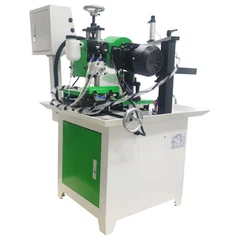

As a supplier of Spiral Cutterheads, I've witnessed firsthand the critical role these tools play in achieving high - quality cuts in various woodworking and machining applications. The cutting quality of a spiral cutterhead is influenced by a multitude of factors, each of which demands careful consideration to ensure optimal performance.
1. Blade Quality and Geometry
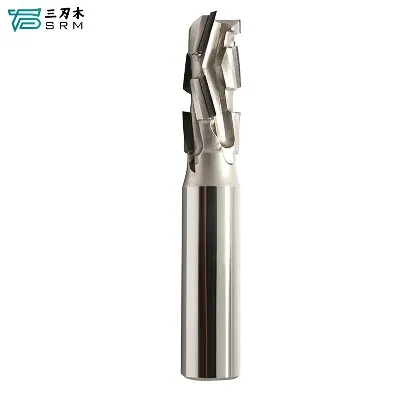
The blades are the heart of the spiral cutterhead, and their quality and geometry have a direct impact on cutting quality. High - quality carbide blades, such as those used in our Disposable Carbide Blade Tenon Milling Cutter, offer excellent wear resistance and sharpness. The sharpness of the blade edge is crucial; a dull blade will result in rough cuts, increased tear - out, and more power consumption.
The geometry of the blade, including the rake angle, clearance angle, and cutting edge shape, also matters. A proper rake angle helps in chip formation and reduces cutting forces. For example, a positive rake angle is often used for softer materials as it provides easier cutting, while a negative rake angle may be more suitable for harder materials to enhance the strength of the cutting edge. The clearance angle prevents the blade from rubbing against the workpiece, which can cause heat build - up and poor surface finish.
2. Cutterhead Design and Construction
The design of the spiral cutterhead itself is a significant factor. A well - designed cutterhead distributes the cutting load evenly across the blades. Our Spiral Cutterhead features a spiral arrangement of blades, which allows for a smooth cutting action. This spiral design reduces the likelihood of chatter, a common problem that can lead to uneven cuts and poor surface quality.
The construction materials of the cutterhead also play a role. A rigid and well - balanced cutterhead is essential. If the cutterhead is not balanced correctly, it can cause vibrations during operation. These vibrations can transfer to the workpiece, resulting in wavy or rough cuts. High - quality metals with good strength and stability are typically used in the construction of the cutterhead to minimize vibrations and ensure long - term performance.
3. Workpiece Material
The type of material being cut is another key factor. Different materials have different physical and mechanical properties, such as hardness, density, and grain structure. For instance, cutting softwoods like pine is generally easier than cutting hardwoods like oak. Softwoods are more forgiving and tend to produce cleaner cuts, while hardwoods may require sharper blades and slower cutting speeds to achieve a good finish.
The grain structure of the wood also affects cutting quality. Straight - grained wood is easier to cut compared to wood with irregular or interlocked grains. Interlocked grains can cause tear - out, especially when cutting across the grain. In such cases, using a cutterhead with appropriate blade geometry and a slower feed rate can help reduce tear - out and improve the overall cutting quality.
4. Cutting Parameters
Cutting parameters, including cutting speed, feed rate, and depth of cut, have a profound impact on the cutting quality of a spiral cutterhead.
Cutting Speed: The cutting speed refers to the speed at which the cutterhead rotates. A higher cutting speed can generally result in a better surface finish, as it reduces the time each blade spends in contact with the workpiece. However, if the cutting speed is too high, it can cause excessive heat build - up, which may damage the blades and the workpiece. On the other hand, a very low cutting speed may lead to rough cuts and increased tear - out.


Feed Rate: The feed rate is the speed at which the workpiece is moved through the cutterhead. A proper feed rate is crucial. If the feed rate is too fast, the blades may not have enough time to cut cleanly, resulting in rough cuts and possible blade damage. Conversely, if the feed rate is too slow, it can cause over - cutting and heat build - up, which can also degrade the cutting quality.
Depth of Cut: The depth of cut is the thickness of the material removed in a single pass. A larger depth of cut requires more cutting force and can put more stress on the blades. If the depth of cut is too large, it can lead to chatter, uneven cuts, and blade wear. It is often recommended to make multiple shallow passes rather than one deep pass to achieve a better finish.
5. Machine Compatibility
The compatibility between the spiral cutterhead and the machine it is used on is essential. The cutterhead must be properly installed and matched to the spindle speed and power of the machine. If the machine does not have enough power to drive the cutterhead at the recommended cutting speed, it can result in poor cutting performance.
The accuracy of the machine's alignment and movement also matters. A machine with poor alignment can cause the cutterhead to cut at an angle, resulting in uneven cuts. Additionally, the machine's table surface should be flat and level to ensure that the workpiece is fed through the cutterhead evenly.
6. Maintenance and Blade Replacement
Regular maintenance of the spiral cutterhead is vital for maintaining cutting quality. This includes cleaning the cutterhead after each use to remove chips and debris, which can accumulate and affect the performance of the blades. Lubrication of moving parts, if applicable, also helps in reducing friction and wear.
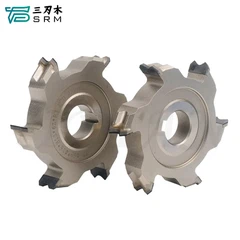
Blade replacement is another important aspect of maintenance. Over time, the blades will wear out, and their cutting performance will degrade. It is crucial to replace the blades at the appropriate time. Using worn - out blades can lead to poor cutting quality, increased tear - out, and even damage to the workpiece. Our Rabbeting Cutter Heads with 40mm Profile Knives are designed for easy blade replacement, ensuring that you can quickly restore the cutting quality of the cutterhead.
Conclusion
In conclusion, the cutting quality of a spiral cutterhead is influenced by a complex interplay of factors, including blade quality and geometry, cutterhead design and construction, workpiece material, cutting parameters, machine compatibility, and maintenance. As a supplier of high - quality spiral cutterheads, we understand the importance of these factors and strive to provide products that can deliver excellent cutting performance.
If you are looking for a reliable spiral cutterhead for your woodworking or machining needs, we invite you to contact us for procurement and further discussions. We are committed to helping you find the right solution to achieve the best cutting quality in your operations.
References
- Smith, J. (2018). Woodworking Machinery and Tools: A Comprehensive Guide. Publisher XYZ.
- Johnson, R. (2019). Cutting Tool Technology for Modern Machining. ABC Publications.
- Brown, A. (2020). Advances in Spiral Cutterhead Design and Performance. Journal of Manufacturing Science, Vol. 15, Issue 2.


