



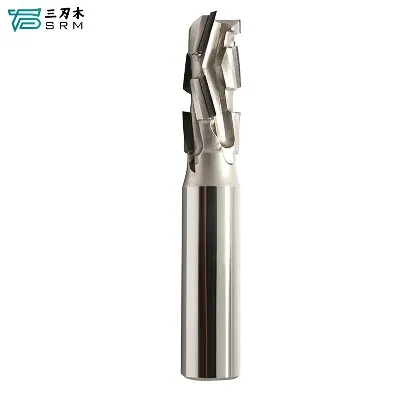

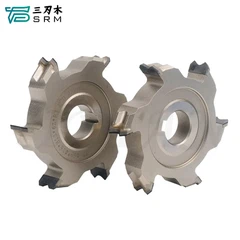
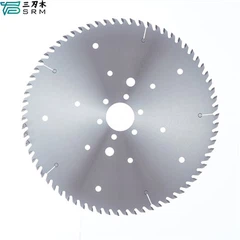


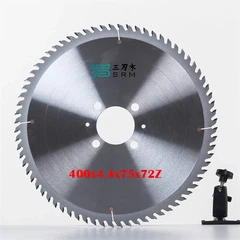

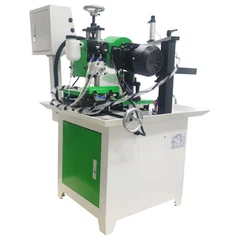

Hey there! As a supplier of Planer Cutterheads, I've seen firsthand the ins and outs of these nifty tools. They're super useful in the woodworking industry, but like any piece of equipment, they come with their limitations. Let's dive into what those limitations are.
1. Material Compatibility
One of the big limitations of a Planer Cutterhead is its material compatibility. Not all cutterheads are created equal when it comes to handling different types of wood. Some cutterheads are designed specifically for softwoods like pine or cedar. These cutterheads have a certain tooth geometry and cutting edge that work well with the relatively softer fibers of these woods.
For example, if you try to use a cutterhead meant for softwoods on a hardwood like oak or maple, you're likely to run into problems. The cutterhead might not be able to make clean cuts, and you could end up with rough surfaces or tear - outs. The fibers in hardwoods are denser and more resistant, so a cutterhead needs to have a sharper edge and a different tooth design to handle them properly.
This limitation can be a real headache for woodworkers who work with a variety of materials. They might need to invest in multiple cutterheads to cover all the bases, which can get expensive. You can check out our Planer Cutterhead options to find the right one for your specific material needs.
2. Surface Finish
Another limitation is the surface finish that a Planer Cutterhead can achieve. Even with the best - quality cutterheads, there can be some issues with the smoothness of the cut surface. Factors like the speed of the cutterhead, the feed rate of the wood, and the sharpness of the cutting edges all play a role in determining the surface finish.
If the cutterhead is spinning too slowly or the wood is fed through too quickly, you might end up with a rough or uneven surface. On the other hand, if the cutterhead is spinning too fast, it can cause burning or charring of the wood. And as the cutting edges wear down over time, the surface finish will also deteriorate.
To get the best surface finish, you need to find the right balance between these factors. But it's not always easy, especially when working with different types of wood. Our Rabbeting Cutter Heads with 40mm Profile Knives are designed to provide a good surface finish, but you still need to pay attention to these variables.
3. Noise and Vibration
Planer Cutterheads can be quite noisy and generate a lot of vibration. This is due to the high - speed rotation of the cutterhead and the interaction between the cutting edges and the wood. The noise can be a nuisance, especially in a workshop environment where you might be working for long hours.
Excessive vibration can also affect the quality of the cut. It can cause the wood to move around during the cutting process, leading to uneven cuts or damage to the wood. To reduce noise and vibration, you can use anti - vibration mounts or dampeners, but these can add to the cost and complexity of the setup.
Some cutterheads are designed to be more quiet and vibration - free than others. However, even the best - designed cutterheads will still produce some level of noise and vibration. Our Cutter Heads for Rabbeting are engineered to minimize these issues, but it's something to keep in mind.
4. Maintenance Requirements
Maintaining a Planer Cutterhead is crucial for its performance and longevity, but it can also be a time - consuming and costly process. The cutting edges need to be sharpened regularly to ensure clean cuts. Depending on the type of cutterhead, this can involve removing the knives, sharpening them on a grinder, and then reinstalling them.
Sharpening the knives requires skill and the right equipment. If the knives are not sharpened correctly, it can lead to poor cutting performance and damage to the wood. In addition to sharpening, the cutterhead also needs to be cleaned regularly to remove sawdust and debris. This helps prevent clogging and ensures smooth operation.
The cost of replacement knives can also add up over time. If you're using a high - volume cutterhead, you might need to replace the knives more frequently. All these maintenance requirements can be a hassle, especially for small - scale woodworkers or those on a tight budget.
5. Size and Capacity
The size and capacity of a Planer Cutterhead can also be a limitation. Some cutterheads are designed for small - scale projects, while others are more suitable for large - scale industrial applications. If you're working on a big project, a small - capacity cutterhead might not be able to handle the volume of wood you need to process.
On the other hand, if you're working on small, intricate projects, a large cutterhead might be too bulky and difficult to maneuver. You need to choose a cutterhead that matches the size and scope of your projects. Our range of Planer Cutterheads comes in different sizes and capacities, so you can find the one that's right for you.
6. Compatibility with Planers
Not all Planer Cutterheads are compatible with all types of planers. Different planers have different specifications, such as the spindle size, the arbor diameter, and the mounting system. If you buy a cutterhead that's not compatible with your planer, it won't fit properly, and you won't be able to use it.


Before purchasing a cutterhead, you need to make sure it's compatible with your planer. This can be a bit of a hassle, especially if you're not familiar with the technical specifications of your planer. We can help you find the right cutterhead for your planer, so don't hesitate to reach out.
Conclusion
In conclusion, while Planer Cutterheads are incredibly useful tools in the woodworking industry, they do have their limitations. Material compatibility, surface finish, noise and vibration, maintenance requirements, size and capacity, and compatibility with planers are all factors that you need to consider when using a cutterhead.
But don't let these limitations discourage you! At our company, we're committed to providing high - quality Planer Cutterheads that minimize these issues. We offer a wide range of cutterheads to suit different needs and budgets.
If you're in the market for a Planer Cutterhead or have any questions about our products, we'd love to hear from you. Contact us to start a conversation about your woodworking needs and how we can help you find the perfect cutterhead for your projects.
References
- Woodworking Machinery Handbook, various editions
- Journal of Woodworking Technology, multiple issues
- Industry reports on woodworking equipment performance


