



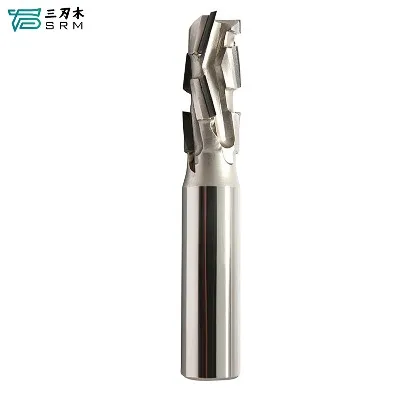





As a supplier of Step Router Bits, I understand the importance of handling these tools properly to ensure their longevity and optimal performance. In this blog post, I will share some insights on the best way to handle a Step Router Bit, drawing from my experience in the industry.
Understanding the Step Router Bit
Before delving into the handling techniques, it's essential to understand what a Step Router Bit is. A Step Router Bit is a specialized cutting tool used in woodworking and other materials processing. It features multiple cutting edges at different heights, allowing for the creation of stepped profiles in a single pass. This makes it a versatile tool for a variety of applications, such as creating dadoes, rabbets, and decorative edges.
Safety First
Safety should always be the top priority when handling any cutting tool, including Step Router Bits. Here are some safety tips to keep in mind:
- Wear Protective Gear: Always wear safety glasses, ear protection, and a dust mask to protect yourself from flying debris and noise.
- Read the Manual: Familiarize yourself with the manufacturer's instructions and safety guidelines before using the Step Router Bit.
- Inspect the Bit: Before each use, inspect the Step Router Bit for any signs of damage or wear. If the bit is damaged, do not use it and replace it immediately.
- Secure the Workpiece: Make sure the workpiece is securely clamped or held in place to prevent it from moving during the cutting process.
- Use the Right Speed and Feed Rate: Follow the manufacturer's recommendations for the appropriate speed and feed rate for the material you are cutting. Using the wrong speed or feed rate can cause the bit to overheat, dull quickly, or break.
Handling the Step Router Bit
Once you have taken the necessary safety precautions, it's time to handle the Step Router Bit. Here are some tips to help you handle the bit properly:
- Store the Bit Properly: When not in use, store the Step Router Bit in a protective case or holder to prevent it from getting damaged. Make sure the bit is clean and dry before storing it.
- Install the Bit Correctly: When installing the Step Router Bit, make sure it is securely tightened in the router collet. Use a collet wrench to tighten the collet until it is snug, but do not overtighten it.
- Align the Bit: Before starting the cutting process, make sure the Step Router Bit is properly aligned with the workpiece. Use a router fence or guide to ensure accurate cutting.
- Start the Router Slowly: When starting the router, start it at a slow speed and gradually increase the speed to the recommended setting. This will help prevent the bit from binding or breaking.
- Feed the Workpiece Slowly: When feeding the workpiece through the router, feed it slowly and steadily. Do not force the workpiece through the router, as this can cause the bit to overheat or break.
- Use Coolant: If you are cutting a hard or dense material, such as hardwood or metal, it may be necessary to use a coolant to keep the bit cool and prevent it from overheating. Follow the manufacturer's recommendations for the appropriate coolant to use.
- Clean the Bit Regularly: After each use, clean the Step Router Bit to remove any debris or sawdust. Use a brush or compressed air to clean the bit, and make sure it is dry before storing it.
Maintenance and Sharpening
Proper maintenance and sharpening of the Step Router Bit are essential to ensure its longevity and optimal performance. Here are some tips to help you maintain and sharpen the bit:
- Inspect the Bit Regularly: Regularly inspect the Step Router Bit for any signs of wear or damage. If the bit is dull or damaged, it should be sharpened or replaced.
- Sharpen the Bit Properly: If the Step Router Bit needs to be sharpened, it should be done by a professional or using a sharpening tool specifically designed for router bits. Follow the manufacturer's instructions for sharpening the bit.
- Replace the Bit When Necessary: If the Step Router Bit is severely damaged or worn beyond repair, it should be replaced. Using a damaged or worn bit can cause poor cutting performance and increase the risk of injury.
Conclusion
Handling a Step Router Bit properly is essential to ensure its longevity and optimal performance. By following the safety tips, handling techniques, and maintenance and sharpening guidelines outlined in this blog post, you can ensure that your Step Router Bit will provide you with years of reliable service.
If you are interested in purchasing Step Router Bits or other router tools, please feel free to contact us for more information. We are a leading supplier of high-quality router bits and other woodworking tools, and we would be happy to help you find the right tool for your needs.


References
Please note that the above references are for illustrative purposes only and do not guarantee the accuracy or relevance of the information provided. It is always recommended to consult the manufacturer's instructions and safety guidelines before using any cutting tool.


