



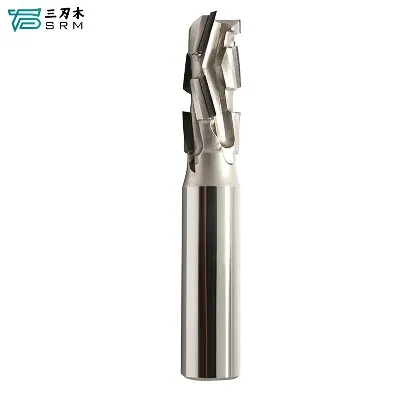

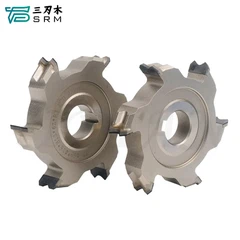
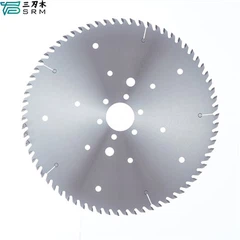


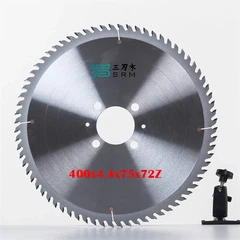


Hey there! As a supplier of Acrylic Router Bits, I've seen my fair share of router bit damage. It's a bummer when these little tools get messed up, especially when they're supposed to help you create some really cool stuff. So, I thought I'd share some tips on the best way to handle acrylic router bits to avoid damage.
1. Storage is Key
First off, let's talk about storage. You wouldn't just throw your car keys on the floor, right? Well, the same goes for your router bits. When you're not using them, store them in a proper case. A good quality bit case will keep them organized and protected from scratches and other damage. You can find cases specifically designed for router bits at most hardware stores.
Make sure the bits are placed in their individual slots. This prevents them from knocking against each other, which can cause chipping or dulling. And if you have a lot of bits, label the case so you can easily find the one you need. It might seem like a small thing, but it can save you a lot of time and frustration in the long run.
2. Handling with Care
When you're taking the bits out of the case or putting them back in, be gentle. Don't just grab them by the cutting edge. Instead, hold them by the shank, which is the part that goes into the router. The cutting edge is super sharp and delicate, and any rough handling can damage it.
Also, when you're installing the bit in the router, make sure it's inserted correctly. Follow the manufacturer's instructions carefully. If the bit isn't installed properly, it can cause uneven cutting and put extra stress on the bit, leading to damage.
3. Using the Right Speed
One of the most important things when using acrylic router bits is to use the right speed. Different bits are designed to work at different speeds, and using the wrong speed can be a recipe for disaster.
For example, if you're using a Double-ended Spiral Saw Bit, you need to make sure the router is set to the appropriate speed. If you go too fast, the bit can overheat, which can cause the carbide to break down and the bit to dull quickly. On the other hand, if you go too slow, the bit might not cut efficiently, and you could end up with a rough finish.
Check the manufacturer's recommendations for the specific bit you're using. They usually provide a range of speeds that are suitable for different materials and cutting tasks.
4. Lubrication and Cooling
Acrylic can generate a lot of heat when being cut, and this heat can damage the router bit. That's why it's important to use lubrication and cooling methods.
You can use a special acrylic cutting lubricant to reduce friction and heat. Apply the lubricant to the bit and the acrylic surface before you start cutting. This will help the bit glide through the material more smoothly and prevent overheating.
Another option is to use a coolant. Some routers have a built-in coolant system, or you can use a separate coolant spray. Coolant helps to keep the bit and the material at a lower temperature, which can extend the life of the bit.
5. Cleaning After Use
After you're done using the router bit, it's important to clean it. Acrylic residue can build up on the bit, which can affect its performance and cause damage over time.
Use a soft brush or a cloth to remove any debris from the bit. You can also use a mild solvent to clean the bit, but make sure to follow the manufacturer's instructions. Avoid using abrasive materials that could scratch the bit.
Once the bit is clean, dry it thoroughly before storing it. Moisture can cause rust and corrosion, which can damage the bit.
6. Regular Inspection
Make it a habit to inspect your router bits regularly. Look for signs of wear and tear, such as chipping, dulling, or cracks. If you notice any damage, stop using the bit immediately. Continuing to use a damaged bit can not only affect the quality of your work but also cause further damage to the bit and the router.
If you find a damaged bit, you can try to sharpen it if it's a sharpenable bit. There are sharpening tools available for router bits, but it's important to follow the proper sharpening techniques. If the bit is too damaged to be sharpened, it's time to replace it.
7. Choosing the Right Bit for the Job
Using the right bit for the job is crucial. Different bits are designed for different types of cuts and materials. For example, a Spiral Down Cut Bit is great for making clean, smooth cuts on the top surface of the acrylic, while a Ball Nose Router Bit is better for creating rounded edges and contours.
Before you start a project, think about the type of cut you need to make and choose the appropriate bit. Using the wrong bit can not only damage the bit but also result in a poor-quality finish.
Conclusion
Handling acrylic router bits properly is essential to avoid damage and ensure they last as long as possible. By following these tips on storage, handling, speed, lubrication, cleaning, inspection, and bit selection, you can keep your router bits in top condition and get the best results from your projects.


If you're in the market for high-quality acrylic router bits, we've got you covered. We offer a wide range of router bits that are designed to meet the needs of both professional woodworkers and DIY enthusiasts. Contact us to discuss your requirements and let's start creating some amazing things together!
References
- Router Bit Manufacturer's Manuals
- Woodworking Magazines and Online Resources


