






Hey there, fellow woodworking enthusiasts! As a supplier of Lock Hole Router Bits, I've been getting a lot of questions lately about the cutting efficiency of these nifty tools. So, I thought I'd take a deep dive into the topic and share everything you need to know.
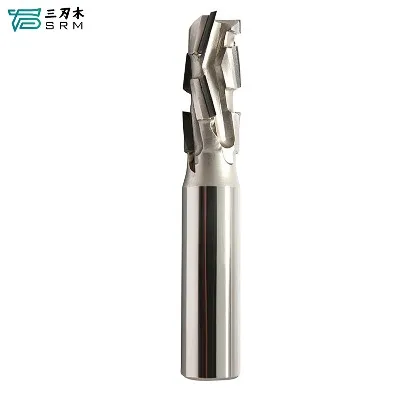
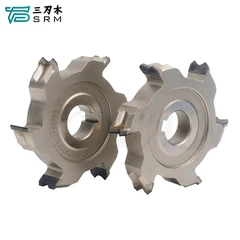
First off, let's talk about what a Lock Hole Router Bit actually is. It's a specialized router bit designed to create the holes needed for installing locks in doors, cabinets, and other wooden structures. These bits come in various sizes and shapes to accommodate different lock types and door thicknesses.
Now, when it comes to cutting efficiency, there are several factors that come into play. The first and most obvious one is the quality of the bit itself. A high - quality Lock Hole Router Bit is made from durable materials, usually carbide, which can withstand the high - speed rotation and the pressure of cutting through wood. Carbide bits stay sharp for longer periods compared to bits made from other materials like high - speed steel. This means you can make more cuts without having to stop and sharpen the bit, which significantly improves cutting efficiency.
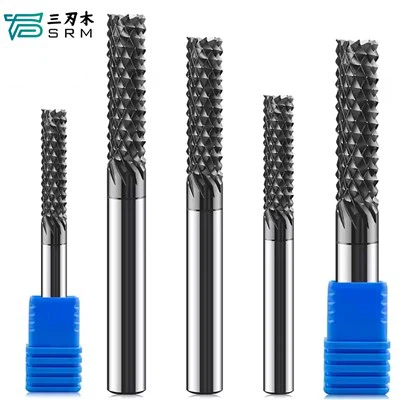
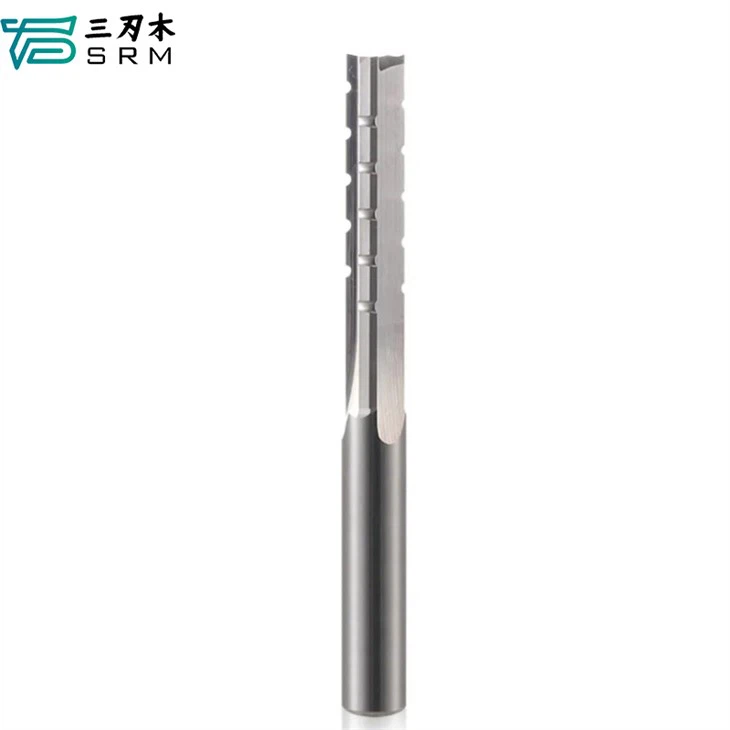
Another important factor is the design of the bit. The cutting edges of a Lock Hole Router Bit are precisely engineered to remove wood quickly and cleanly. Some bits have a special geometry that helps to break up the chips as they are being cut, preventing them from clogging the bit and slowing down the cutting process. For example, a Straight Bit with Chip Breaker [/solid - carbide - router - bits/straight - bit - with - chip - breaker.html] is a great option for improving chip evacuation. The chip breaker interrupts the continuous chip flow, making it easier for the chips to be ejected from the cutting area. This not only speeds up the cutting but also reduces the heat generated during the process, which can extend the life of the bit.
The speed at which the router is running also affects cutting efficiency. Running the router at the correct speed is crucial. If the speed is too low, the bit may not cut through the wood cleanly, resulting in a rough finish and potentially damaging the bit. On the other hand, if the speed is too high, it can cause the bit to overheat and wear out quickly. Most Lock Hole Router Bits come with recommended speed settings, and it's important to follow these guidelines for optimal performance.
The type of wood you're working with also matters. Softwoods like pine and cedar are generally easier to cut through than hardwoods like oak and maple. Hardwoods are denser and have a more complex grain structure, which means they require more power and a slower cutting speed. However, with a high - quality bit and the right technique, you can still achieve good cutting efficiency even when working with hardwoods.
The sharpness of the bit is a no - brainer when it comes to cutting efficiency. A dull bit will take longer to cut through the wood, require more force, and produce a poorer quality finish. It's essential to keep your Lock Hole Router Bits sharp. You can either sharpen them yourself if you have the right tools and skills or send them to a professional sharpening service. Regular maintenance, such as cleaning the bit after each use, can also help to keep it in good condition and extend its lifespan.
Let's also talk about the feed rate. The feed rate is how fast you move the router over the wood. A too - slow feed rate can cause the bit to burn the wood, while a too - fast feed rate can result in an uneven cut or even break the bit. Finding the right balance is key. It usually takes a bit of practice to get the feed rate just right, but once you do, you'll notice a big improvement in cutting efficiency.

In addition to the technical aspects, the operator's skill and experience play a significant role. An experienced woodworker knows how to handle the router properly, adjust the settings according to the wood and the bit, and make the most of the tool's capabilities. They can anticipate potential problems and take steps to avoid them, which ultimately leads to better cutting efficiency.
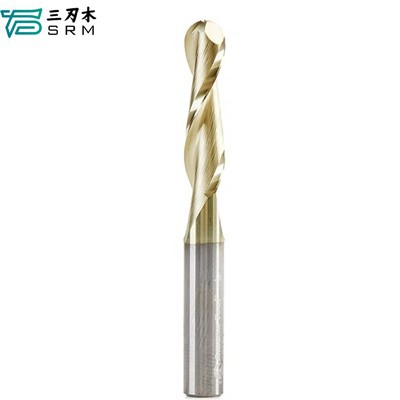
Now, you might be wondering how the cutting efficiency of a Lock Hole Router Bit compares to other types of router bits. Well, each type of bit has its own unique characteristics and is designed for specific tasks. For example, a Ball Nose Router Bit [/solid - carbide - router - bits/ball - nose - router - bit.html] is great for creating curved and rounded shapes, while a Lock Hole Router Bit is specifically for making holes for locks. However, in terms of pure cutting efficiency for lock hole making, a dedicated Lock Hole Router Bit is hard to beat. It's designed to do one thing and do it well, with features that are optimized for this particular task.
If you're into wood carving, you might also be interested in using router bits for other purposes. For instance, Carving Letters In Wood [/solid - carbide - router - bits/carving - letters - in - wood.html] is a popular application. While a Lock Hole Router Bit is not typically used for letter carving, understanding the principles of cutting efficiency can be applied across different types of router bit applications. Whether you're making lock holes or carving letters, the same concepts of using a high - quality bit, the right speed, and proper technique apply.
In conclusion, the cutting efficiency of a Lock Hole Router Bit depends on a combination of factors, including the quality and design of the bit, the speed of the router, the type of wood, the sharpness of the bit, the feed rate, and the operator's skill. By paying attention to these factors and making the necessary adjustments, you can achieve fast, clean, and efficient cuts when working with Lock Hole Router Bits.
If you're in the market for high - quality Lock Hole Router Bits or have any questions about improving cutting efficiency, I'd love to hear from you. Whether you're a professional woodworker or a DIY enthusiast, we have the right bits for your needs. Reach out to us, and let's start a conversation about how we can help you take your woodworking projects to the next level.
References
- Woodworking Machinery and Tools Handbook
- Router Bit User Guides