



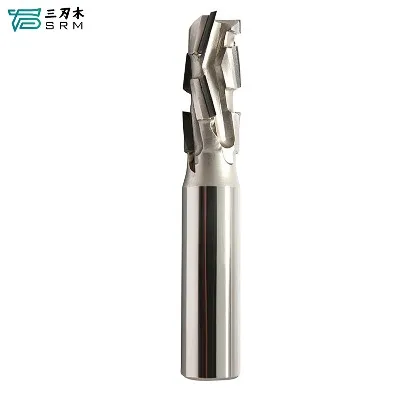

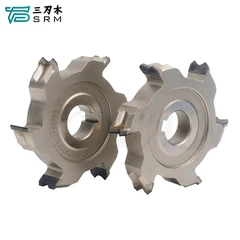
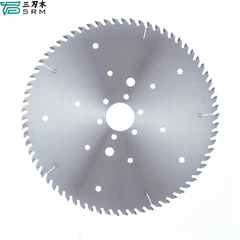






When it comes to lock hole router bits, one of the most common questions we get as a lock hole router bit supplier is about the difference between carbide-tipped and high-speed steel (HSS) bits. Both types have their unique characteristics, advantages, and applications. Understanding these differences can help you make an informed decision when choosing the right bit for your project.
Composition and Manufacturing
Carbide-tipped router bits are made by brazing a carbide tip onto a steel shank. Carbide is a compound of carbon and a metallic element, usually tungsten. This material is extremely hard and wear-resistant, which allows the bit to maintain its sharpness for a long time. The steel shank provides the necessary strength and flexibility to withstand the forces during routing.
On the other hand, high-speed steel router bits are made entirely from a type of steel alloy that is designed to withstand high temperatures and maintain its hardness at elevated speeds. HSS is known for its toughness and ability to be heat-treated to achieve different levels of hardness.
Cutting Performance
One of the key differences between carbide-tipped and HSS router bits lies in their cutting performance. Carbide-tipped bits are generally more efficient at cutting hard materials such as hardwoods, laminates, and plastics. The hard carbide tip can easily slice through these materials with minimal effort, resulting in a clean and smooth cut. The sharpness of the carbide edge also reduces the amount of tear-out and chipping, which is especially important when working on high-quality projects.
High-speed steel bits, while not as hard as carbide, are still capable of cutting a wide range of materials. They are particularly well-suited for softer woods and less abrasive materials. HSS bits can provide a good balance between cutting performance and cost, making them a popular choice for general-purpose routing. However, they may dull more quickly than carbide-tipped bits when used on harder materials.
Durability and Longevity
Durability is another important factor to consider when choosing between carbide-tipped and HSS router bits. Carbide-tipped bits are known for their long lifespan. The hard carbide tip resists wear and abrasion, allowing the bit to maintain its cutting edge for a much longer time compared to HSS bits. This means fewer bit changes and less downtime during a project, which can increase productivity and reduce costs in the long run.
High-speed steel bits, although less durable than carbide-tipped bits, can still provide a reasonable lifespan if used correctly. However, they are more prone to dulling and chipping, especially when used on hard or abrasive materials. Regular sharpening is required to maintain their cutting performance, which can be time-consuming and may require specialized equipment.
Cost
Cost is often a significant consideration when purchasing router bits. Carbide-tipped bits are generally more expensive than HSS bits. The cost of the carbide material and the manufacturing process of brazing the tip onto the shank contribute to the higher price. However, the longer lifespan and better cutting performance of carbide-tipped bits can offset the initial investment, especially for professional woodworkers or those who use router bits frequently.
High-speed steel bits are more affordable, making them a great option for hobbyists or those on a budget. They can provide satisfactory performance for light to medium-duty routing tasks without breaking the bank.
Applications
The choice between carbide-tipped and HSS router bits also depends on the specific application. Carbide-tipped bits are ideal for applications that require precision and a high-quality finish, such as cabinet making, furniture building, and decorative woodworking. They are also well-suited for cutting hard materials and working on large projects where long tool life is essential.
High-speed steel bits are commonly used for general-purpose routing, such as edge profiling, dado cutting, and slotting. They are a good choice for softer woods and less demanding applications where cost is a concern.
Examples of Router Bits
If you're looking for specific router bits for your projects, we offer a wide range of options. For round slotting, our Round Slotting Router Bit is a great choice. It is available in both carbide-tipped and HSS versions, depending on your needs.
For applications that require a clean and smooth cut, our Spiral Down Cut Bit is an excellent option. The spiral design helps to pull the material down, reducing tear-out and providing a better finish.
If you're working with aluminum or other non-ferrous metals, our Aluminum Router Bit is specifically designed to handle these materials. It features a carbide tip for long-lasting performance and a special geometry to optimize cutting efficiency.
Conclusion
In conclusion, the choice between carbide-tipped and high-speed steel lock hole router bits depends on several factors, including the type of material you're working with, the desired finish, the frequency of use, and your budget. Carbide-tipped bits offer superior cutting performance, durability, and a longer lifespan, but they come at a higher cost. High-speed steel bits are more affordable and suitable for general-purpose routing, but they may require more frequent sharpening.


If you're still unsure which type of router bit is right for your project, our team of experts is here to help. We can provide you with detailed information and recommendations based on your specific needs. Whether you're a professional woodworker or a hobbyist, we have the right router bit for you. Contact us today to discuss your requirements and start your next project with confidence.
References
- Woodworking Magazine, "Router Bit Basics: Carbide vs. High-Speed Steel"
- Machinery's Handbook, 31st Edition, Industrial Press
- Online Woodworking Forums, User Experiences and Discussions on Router Bits


