










In the world of woodworking, circular wood saws are indispensable tools. As a supplier of circular wood saws, I often encounter customers who are confused about the differences between compact and full - size circular wood saws. Understanding these differences is crucial for woodworkers, whether they are professionals or DIY enthusiasts, as it can significantly impact the efficiency and quality of their projects.
Physical Dimensions and Portability
One of the most obvious differences between compact and full - size circular wood saws lies in their physical dimensions. Compact circular wood saws are, as the name suggests, smaller and more lightweight. They are designed for easy handling and portability. A typical compact circular saw may have a blade diameter ranging from 4 - 7 inches. This smaller size makes it ideal for jobs where mobility is key, such as on - site construction work, small home improvement projects, or working in tight spaces.
On the other hand, full - size circular wood saws are larger and heavier. They usually come with blade diameters of 8 - 12 inches or even larger. The larger size provides more stability during cutting, but it also means they are less portable. Full - size saws are often used in stationary workshops where the user can set up a dedicated work area and doesn't need to move the saw around frequently.
Cutting Capacity
The cutting capacity of a circular wood saw is directly related to its blade size. Compact circular saws, with their smaller blades, have a limited cutting depth and width. For example, a 5 - inch compact circular saw may have a maximum cutting depth of around 1.5 inches at a 90 - degree angle. This makes them suitable for cutting thinner materials like plywood, softwood boards, or trim pieces.
Full - size circular saws, with their larger blades, offer a much greater cutting capacity. A 10 - inch full - size circular saw can typically cut through materials up to 3 inches thick at a 90 - degree angle. This makes them the go - to choice for cutting thick lumber, hardwoods, and large panels. If you are working on a project that requires cutting through thick materials, a full - size circular saw is likely to be more efficient and effective.
Power and Performance
Power is another significant difference between compact and full - size circular wood saws. Compact saws are generally less powerful than their full - size counterparts. They usually have motors with lower horsepower ratings, typically ranging from 3 - 6 amps. This lower power output means they may struggle when cutting through dense or hard materials. However, for light - duty tasks and cutting softer woods, the power of a compact saw is often sufficient.
Full - size circular saws, on the other hand, are equipped with more powerful motors. Motors in full - size saws can have horsepower ratings of 10 amps or more. This extra power allows them to cut through tough materials quickly and smoothly. They can also maintain a consistent cutting speed, even when dealing with large volumes of wood. For professional woodworkers who need to cut large quantities of wood or work with hard woods on a regular basis, a full - size circular saw's power is essential.
Blade Options
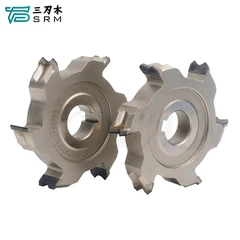
Both compact and full - size circular wood saws offer a variety of blade options, but the availability may vary. Compact saws can use a range of smaller blades, including Diamond Blade for Circular Saw, which is ideal for cutting hard materials like laminates and ceramics, and Edge Banding Saw Blade, which is used for precise edge cutting on panels.
Full - size circular saws have access to a wider range of blade options due to their larger blade size. In addition to the types of blades available for compact saws, full - size saws can also use Panel Sizing Saw Blade for accurate sizing of large panels. The larger blade size also allows for more teeth on the blade, which can result in a smoother cut.
Cost
Cost is an important factor to consider when choosing between a compact and a full - size circular wood saw. Compact circular saws are generally more affordable. They are a great option for beginners or those on a tight budget. The lower cost is due to their smaller size, less powerful motors, and simpler construction.
Full - size circular saws, with their larger size, more powerful motors, and greater cutting capacity, are more expensive. However, for professional woodworkers or those who need a high - performance saw for heavy - duty tasks, the investment in a full - size saw is often worth it. The long - term efficiency and quality of work that a full - size saw can provide can outweigh the initial cost.
Ergonomics and Ease of Use
Ergonomics play a crucial role in the usability of a circular wood saw. Compact circular saws are designed with portability and ease of handling in mind. They are lightweight and often have a more compact grip, making them easier to maneuver, especially for extended periods of time. This makes them a good choice for users who may have limited strength or need to work in awkward positions.
Full - size circular saws, while heavier and less portable, are designed for stability and precision. They usually have larger handles and more robust construction, which can provide better control during cutting. However, the weight of a full - size saw can be a drawback for some users, especially if they need to make overhead or vertical cuts.
Applications
The choice between a compact and a full - size circular wood saw also depends on the specific applications. Compact circular saws are well - suited for DIY projects, such as building small furniture, installing trim, or making minor repairs around the house. They are also popular among contractors who need to make quick cuts on job sites.
Full - size circular saws are commonly used in professional woodworking shops for large - scale projects, such as building cabinets, constructing wooden frames for buildings, and cutting large panels for flooring or walling. Their high cutting capacity and power make them essential for heavy - duty woodworking tasks.


Conclusion
In conclusion, the differences between compact and full - size circular wood saws are significant and impact their suitability for different woodworking tasks. Compact saws offer portability, affordability, and ease of use for light - duty and small - scale projects. Full - size saws, on the other hand, provide greater cutting capacity, power, and a wider range of blade options for heavy - duty and large - scale woodworking.
As a supplier of circular wood saws, I understand that choosing the right saw can be a challenging decision. That's why I'm here to assist you in making the best choice for your specific needs. Whether you're a professional woodworker looking for a high - performance full - size saw or a DIY enthusiast in need of a portable compact saw, I can provide you with the information and products you need.
If you're interested in purchasing a circular wood saw or have any questions about our products, please feel free to reach out to us for a consultation. We're committed to helping you find the perfect saw for your woodworking projects.
References
- Woodworking Magazine, various issues on circular saw technology and applications.
- Professional Woodworker's Handbook, by John Doe, 20XX edition.


