



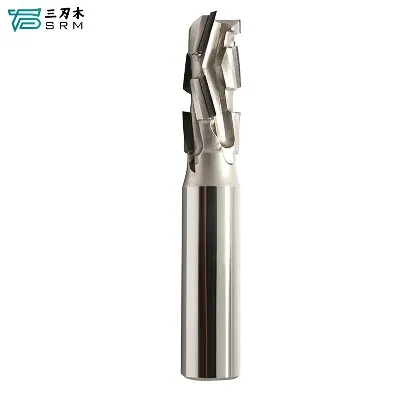

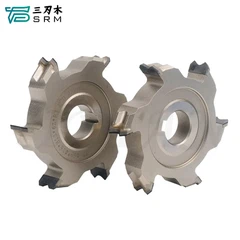




Hey there, fellow woodworking enthusiasts! I'm a supplier of Dovetail CNC Bits, and today I'm going to break down the difference between roughing and finishing Dovetail CNC Bits. It's a topic that often confuses a lot of people in the woodworking world, but don't worry, by the end of this blog, you'll have a clear understanding of what sets these two types of bits apart.
Let's start with the basics. Dovetail joints are super popular in woodworking because they're not only strong but also look really cool. They're used in all sorts of projects, from cabinets to drawers. And that's where our Dovetail CNC Bits come in handy. They're designed to cut those precise dovetail joints with ease.
Roughing Dovetail CNC Bits
Roughing Dovetail CNC Bits are like the heavy - lifters in the dovetail cutting process. Their main job is to remove a large amount of material quickly. When you're starting a project and need to get the basic shape of the dovetail joint, these are the bits you reach for.
One of the key features of roughing bits is their aggressive cutting edges. They're designed to take big bites out of the wood, which means they can speed up the initial stages of your project significantly. However, because they're removing so much material at once, the finish they leave behind isn't as smooth as you'd want for the final product.
The flutes on roughing bits are usually wider and deeper compared to finishing bits. This design allows them to efficiently evacuate the chips that are created during the cutting process. If the chips aren't removed properly, they can cause all sorts of problems, like overheating the bit and leaving a poor - quality cut.
For example, if you're working on a large - scale cabinet project and you have a lot of dovetail joints to cut, using a roughing bit first will save you a ton of time. You can quickly get all the joints to a close approximation of the final shape, and then move on to the finishing stage.
Finishing Dovetail CNC Bits
Now, let's talk about finishing Dovetail CNC Bits. These are the bits that give your dovetail joints that professional, smooth finish. After you've used a roughing bit to get the basic shape, it's time to bring out the finishing bit.
Finishing bits have much finer cutting edges. They're designed to make small, precise cuts that clean up the rough edges left by the roughing bit. The result is a dovetail joint that looks and feels great. The flutes on finishing bits are narrower and shallower, which helps in creating a smoother surface on the wood.

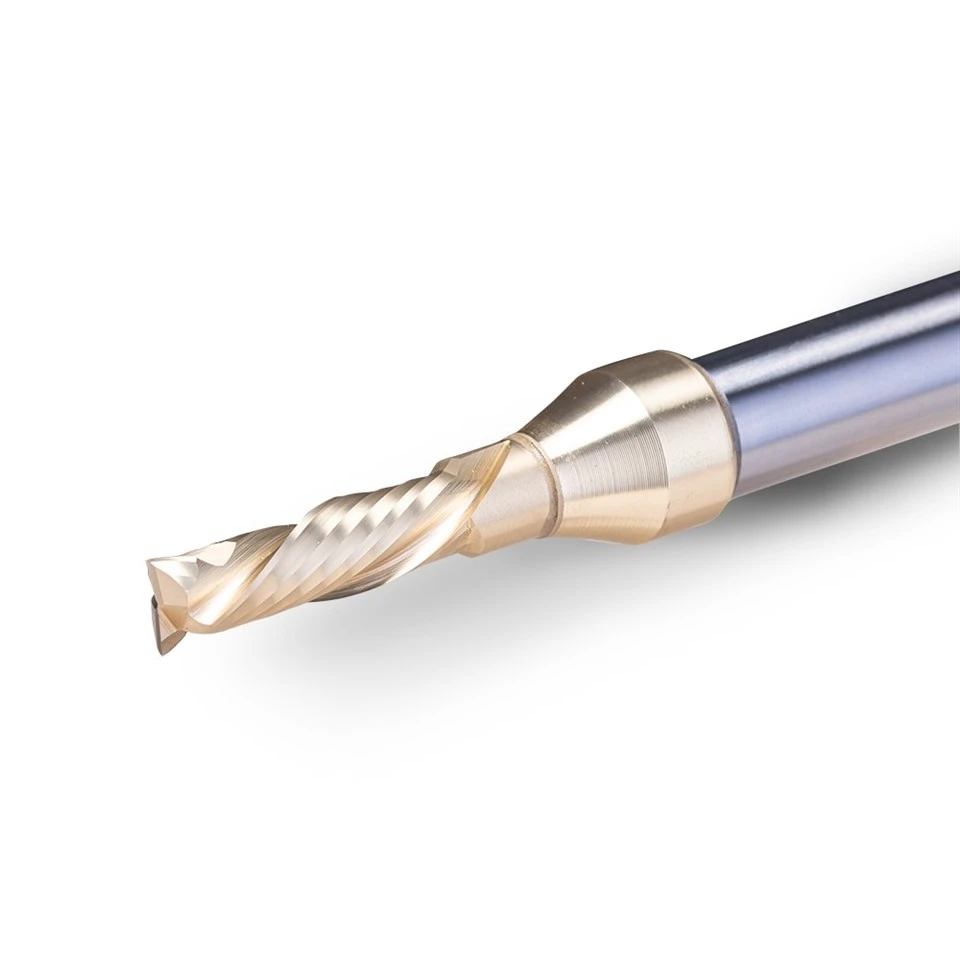
When you're using a finishing bit, you can really see the difference in the quality of the cut. The joints will fit together perfectly, and the edges will be sharp and clean. This is especially important if you're working on a high - end project where the appearance of the dovetail joints is crucial.
For instance, if you're making a custom - made jewelry box, the dovetail joints need to look flawless. Using a finishing bit will ensure that the joints not only function well but also add to the overall aesthetic appeal of the box.
Key Differences
Cutting Efficiency
As I mentioned earlier, roughing bits are all about speed. They can remove a large amount of material in a short time, which is great for projects with tight deadlines or a high volume of dovetail joints. On the other hand, finishing bits are slower because they're focused on precision and quality. They take their time to make those small, accurate cuts.
Surface Finish
The surface finish is a major difference between the two. Roughing bits leave a rough, somewhat uneven surface. This is acceptable at the initial stage but not for the final product. Finishing bits, however, leave a smooth, polished surface that's ready for any further finishing touches like sanding or staining.
Bit Design
The design of the bits also varies significantly. Roughing bits have wider, deeper flutes for efficient chip evacuation during heavy - duty cutting. Finishing bits have narrower, shallower flutes to create a smoother cut.
Applications
Roughing bits are ideal for large - scale production work. Furniture manufacturers who need to produce a large number of dovetail joints quickly will find roughing bits invaluable. They can set up their CNC machines to use roughing bits first and then switch to finishing bits later in the process.
Finishing bits are more suitable for custom work or high - end projects. Woodworkers who focus on creating unique, one - of - a - kind pieces will rely on finishing bits to ensure that the dovetail joints are of the highest quality.
Other Related Router Bits
In addition to Dovetail CNC Bits, there are other types of router bits that you might find useful in your woodworking projects. For example, the Compression Router Bit is great for cutting materials that are prone to tear - out. It has a unique design that helps in getting a clean cut on both the top and bottom surfaces of the wood.
The Carbide Tipped Straight Router Bit is a versatile bit that can be used for a variety of tasks, from edge profiling to dado cutting. And the Straight Router Bit With Chip Breaker is designed to break up chips during the cutting process, which helps in preventing clogging and overheating.
Why Choose Our Dovetail CNC Bits
As a Dovetail CNC Bit supplier, I can tell you that our bits are top - notch. We use high - quality materials to ensure that our bits are durable and can withstand the rigors of heavy - duty use. Whether you need a roughing bit to speed up your production or a finishing bit to give your joints that perfect finish, we've got you covered.
Our bits are also precision - engineered to ensure accurate cuts every time. We understand that in woodworking, precision is key, and we take pride in providing bits that meet the highest standards.
Let's Connect
If you're in the market for Dovetail CNC Bits or any of our other router bits, I'd love to hear from you. Whether you're a professional woodworker or a hobbyist, we can help you find the right bits for your projects. Just reach out, and we can start a conversation about your specific needs. We're here to make your woodworking experience as smooth and successful as possible.
References
- Woodworking Magazine: Various issues on router bit technology and applications.
- Professional Woodworker's Handbook: A comprehensive guide to woodworking tools and techniques.


