








Hey there, fellow woodworkers and DIY enthusiasts! As a supplier of Step Router Bits, I've gotten tons of questions about the differences between single - step and multi - step router bits. In this blog, I'm gonna break it down for you so you can make the best choice for your projects.
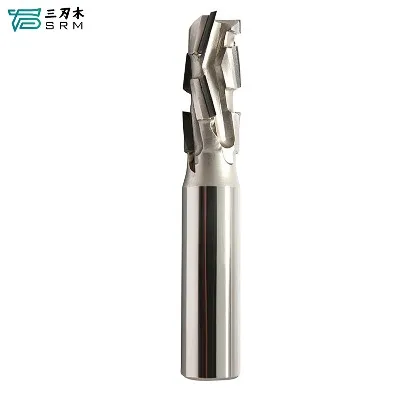
Let's start with the basics. What exactly is a Step Router Bit? Well, you can check out more details about Step Router Bit. A step router bit is designed to create steps or multiple levels on the edge of a workpiece. It's a super useful tool in woodworking, cabinetry, and other related fields.
Single - Step Router Bits
Single - step router bits are pretty straightforward. As the name suggests, they have just one step. These bits are great for simple projects where you only need to create a single level or a basic edge profile.
For example, if you're making a simple box and you want to create a lip on the edge for a lid to fit into, a single - step router bit is your go - to. It can quickly and easily create a clean, precise step.
One of the main advantages of single - step router bits is their simplicity. They're easy to use, especially for beginners. You don't have to worry about aligning multiple steps or dealing with complex cutting patterns. Just set up your router, adjust the depth, and you're good to go.
Another benefit is cost. Single - step router bits are generally more affordable than multi - step ones. If you're on a tight budget or only need to do occasional simple projects, a single - step bit is a cost - effective option.
However, single - step router bits do have their limitations. They're not suitable for projects that require multiple levels or complex edge profiles. If you want to create a fancy, multi - tiered edge on a tabletop or a cabinet door, you'll need something more versatile.
Multi - Step Router Bits
Now, let's talk about multi - step router bits. These bits have two or more steps, which allows you to create more complex and detailed edge profiles.
Take, for instance, the creation of a decorative cabinet door. You can use a multi - step router bit to create a series of steps that add depth and style to the door. It can make your project look much more professional and sophisticated.
One of the biggest advantages of multi - step router bits is their versatility. You can achieve a wide range of looks and styles with just one bit. Instead of using multiple single - step bits and spending extra time changing them out, a multi - step bit can do it all in one go.
They also save time. When working on a project with multiple steps, using a multi - step router bit means fewer passes and less setup time. This can significantly speed up your workflow, especially when you're working on a large number of pieces.
But multi - step router bits aren't without their drawbacks. They're more expensive than single - step bits. The cost reflects the additional complexity in their design and manufacturing.
They're also a bit more challenging to use. You need to be more precise with your setup and alignment. If you're not careful, you might end up with uneven steps or a less - than - perfect finish.
Comparing the Two
When it comes to choosing between a single - step and a multi - step router bit, it really depends on your project requirements.
If you're a beginner or working on simple, one - off projects, a single - step router bit is probably the way to go. It's easy to use, affordable, and can get the job done for basic edge profiling.
On the other hand, if you're an experienced woodworker or taking on more complex projects, a multi - step router bit is a great investment. The versatility and time - savings it offers can be well worth the extra cost.


Other Related Router Bits
While we're on the topic of router bits, it's worth mentioning a couple of other types that you might find useful.
The Compression Router Bit is a unique bit that combines up - cutting and down - cutting spiral flutes. This design helps to reduce chip out on both the top and bottom surfaces of the workpiece, resulting in a cleaner cut. It's especially useful when working with veneered materials or when you need a high - quality finish.
The Straight Router Bit With Chip Breaker is another interesting option. The chip breaker helps to break up the chips as they're being cut, preventing them from clogging the flutes of the bit. This can improve the cutting performance and extend the life of the bit.
Conclusion
In conclusion, both single - step and multi - step router bits have their own unique advantages and disadvantages. The key is to understand the requirements of your project and choose the bit that best suits your needs.
As a Step Router Bit supplier, I'm here to help you make the right choice. Whether you're a hobbyist or a professional woodworker, I've got a wide range of router bits to meet your needs. If you're interested in purchasing any of our router bits, or if you have any questions, feel free to reach out. We're always happy to assist you in finding the perfect bit for your next project.
References
- Woodworking magazines and online resources
- Personal experience and knowledge in the router bit industry


