




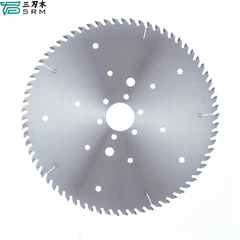


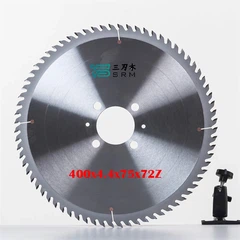

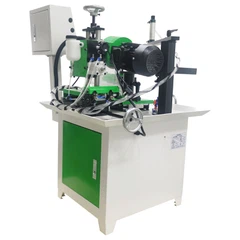

When it comes to scoring saw blades, one of the most common questions we encounter as a scoring saw blade supplier is about the difference between a thin - kerf and a regular - kerf scoring saw blade. In this blog post, we'll delve into the details of these two types of blades, exploring their characteristics, applications, and advantages.
Understanding Kerf
Before we dive into the differences, let's first understand what "kerf" means. The kerf is the width of the cut made by a saw blade. It's determined by the thickness of the blade and the set of the teeth. A thin - kerf blade has a narrower cut width compared to a regular - kerf blade.
Characteristics of Thin - Kerf Scoring Saw Blades
Thin - kerf scoring saw blades typically have a kerf width ranging from 1.2mm to 2.0mm. These blades are designed to make precise, narrow cuts. They are often made with high - quality materials such as carbide - tipped teeth, which provide excellent cutting performance and durability.
One of the main characteristics of thin - kerf blades is their reduced material waste. Since they make a narrower cut, less material is removed during the cutting process. This is particularly beneficial when working with expensive materials, as it helps to save costs.
Another advantage of thin - kerf blades is their lower power consumption. Because they require less force to cut through the material, they put less strain on the saw motor. This can lead to longer motor life and reduced energy costs.
Thin - kerf blades are also known for their smooth and clean cuts. They are ideal for applications where precision is crucial, such as in cabinet making, furniture production, and fine woodworking. For example, when cutting veneered panels, a thin - kerf blade can minimize chipping and splintering, resulting in a high - quality finish.
Characteristics of Regular - Kerf Scoring Saw Blades
Regular - kerf scoring saw blades usually have a kerf width between 2.2mm and 3.0mm. These blades are more robust and can handle heavier cutting tasks. They are often used in industrial settings where high - volume cutting is required.
One of the key characteristics of regular - kerf blades is their strength and durability. The wider kerf provides more support for the blade, reducing the risk of blade deflection during cutting. This makes them suitable for cutting thick or hard materials, such as solid wood and dense composites.
Regular - kerf blades also tend to have a longer lifespan compared to thin - kerf blades. They can withstand more wear and tear, making them a cost - effective option for long - term use.
In addition, regular - kerf blades are better at handling rough or uneven materials. Their wider cut can help to smooth out any irregularities in the material, resulting in a more consistent cut.
Applications of Thin - Kerf and Regular - Kerf Scoring Saw Blades
The choice between a thin - kerf and a regular - kerf scoring saw blade depends on the specific application.
Thin - Kerf Blades
- Cabinet Making: Thin - kerf blades are perfect for cutting cabinet components, such as doors, drawers, and shelves. They can create precise joints and minimize chipping, ensuring a professional finish.
- Furniture Production: In furniture making, thin - kerf blades are used to cut delicate veneers and laminates. They can provide a smooth and clean cut, enhancing the overall appearance of the furniture.
- Fine Woodworking: For high - end woodworking projects, thin - kerf blades are essential. They allow for intricate cuts and detailed work, resulting in beautiful and precise pieces.
If you are looking for a panel sizing saw blade that offers precision and efficiency, you can check out our Panel Sizing Saw Blade.
Regular - Kerf Blades
- Industrial Cutting: In industrial settings, regular - kerf blades are used for high - volume cutting of materials such as solid wood, plywood, and particleboard. They can handle the demands of continuous cutting and provide consistent results.
- Construction: Regular - kerf blades are commonly used in construction projects for cutting framing lumber and other structural materials. Their strength and durability make them suitable for heavy - duty applications.
- Cutting Hard Materials: When cutting hard materials like hardwoods or dense composites, regular - kerf blades are the preferred choice. They can cut through these materials with ease, providing a clean and straight cut.
Our Solid Wood Saw Blade is designed for cutting solid wood, offering excellent performance and durability.


Advantages and Disadvantages
Thin - Kerf Blades
- Advantages:
- Reduced material waste, which saves costs.
- Lower power consumption, leading to energy savings.
- Smooth and clean cuts, ideal for precision work.
- Disadvantages:
- Less robust than regular - kerf blades, which may limit their use in heavy - duty applications.
- More prone to blade deflection if not used correctly.
Regular - Kerf Blades
- Advantages:
- Strong and durable, suitable for heavy - duty cutting.
- Longer lifespan, providing cost - effectiveness in the long run.
- Better at handling rough or uneven materials.
- Disadvantages:
- Higher material waste due to the wider cut.
- Higher power consumption compared to thin - kerf blades.
Making the Right Choice
When choosing between a thin - kerf and a regular - kerf scoring saw blade, consider the following factors:
- Material: If you are working with thin or delicate materials, a thin - kerf blade is a better choice. For thick or hard materials, a regular - kerf blade is more suitable.
- Application: If precision is crucial, such as in fine woodworking, a thin - kerf blade is recommended. For high - volume or heavy - duty cutting, a regular - kerf blade is the way to go.
- Cost: Consider the cost of the blade, as well as the cost of the material and energy consumption. A thin - kerf blade may save on material and energy costs, but it may have a higher upfront cost.
If you are working with acrylic materials, our Saw Blade for Acrylic can provide excellent cutting performance.
Conclusion
In conclusion, the difference between a thin - kerf and a regular - kerf scoring saw blade lies in their kerf width, characteristics, applications, and advantages. Each type of blade has its own strengths and weaknesses, and the choice depends on the specific needs of your project.
As a scoring saw blade supplier, we offer a wide range of thin - kerf and regular - kerf scoring saw blades to meet your requirements. Whether you are a professional woodworker, a DIY enthusiast, or an industrial manufacturer, we have the right blade for you.
If you have any questions or need further assistance in choosing the right scoring saw blade, please don't hesitate to contact us. We are here to help you make the best decision for your cutting needs.
References
- Woodworking Magazine: Various articles on saw blade selection and performance.
- Industry reports on cutting tool technology and applications.


