











What is the difference between a trimming saw blade and a regular saw blade?
In the world of cutting tools, saw blades are indispensable. Among them, trimming saw blades and regular saw blades are two common types, each with its own unique features and applications. As a supplier of trimming saw blades, I'd like to delve into the differences between these two types of saw blades to help you make more informed choices when it comes to your cutting needs.
Design and Tooth Geometry
One of the most significant differences between trimming saw blades and regular saw blades lies in their design and tooth geometry.
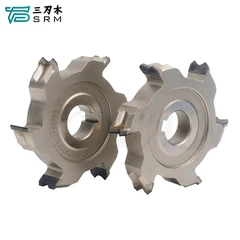
Trimming saw blades are specifically engineered for precision cutting. They typically have a higher tooth count compared to regular saw blades. For instance, a trimming saw blade might have 80 to 120 teeth, while a regular saw blade could have anywhere from 24 to 60 teeth. The high tooth count allows for a smoother and more precise cut. The teeth on a trimming saw blade are also smaller and more closely spaced. This design helps in minimizing the amount of material removed during each cut, reducing tear - out and splintering on the workpiece surface.
On the other hand, regular saw blades are designed for more general - purpose cutting. They often have larger teeth that are more widely spaced. This design enables them to remove material more quickly. For example, when cutting through thick pieces of wood or rough lumber, the larger teeth of a regular saw blade can take bigger bites, speeding up the cutting process. However, this also means that the cut may not be as smooth as that made by a trimming saw blade.
Cutting Applications
The differences in design and tooth geometry directly translate into different cutting applications for trimming saw blades and regular saw blades.
Trimming saw blades are ideal for finish work. In woodworking, they are commonly used for trimming edges of cabinets, cutting veneers, and making precise cuts on fine furniture pieces. The smooth cuts they produce are essential for achieving a professional - looking finish. For example, when trimming the edges of a cabinet door, a trimming saw blade can ensure a clean, splinter - free edge that is ready for painting or laminating. They are also suitable for cutting materials like Panel Sizing Saw Blade, which require high precision in sizing.
Regular saw blades, due to their ability to cut quickly, are better suited for rough cutting tasks. They are commonly used in construction sites for cutting framing lumber, plywood sheets, and other building materials. When building a house, a carpenter might use a regular saw blade to quickly cut the studs and joists to the appropriate lengths. They can also be used for cutting through thick plastics and composites in industrial settings. For cutting acrylic, a Saw Blade for Acrylic with the appropriate tooth geometry can be a type of regular saw blade that is optimized for this specific material.


Blade Material and Durability
The materials used in trimming saw blades and regular saw blades also differ, which affects their durability and performance.
Trimming saw blades are often made from high - quality materials such as carbide - tipped steel. Carbide is extremely hard and wear - resistant, which allows the blade to maintain its sharpness for a long time. This is crucial for precision cutting, as a dull blade can lead to inaccurate cuts and increased tear - out. The carbide tips are brazed onto the blade body, ensuring a strong bond. The blade body itself is usually made of high - carbon steel, which provides the necessary strength and flexibility.
Regular saw blades can be made from a variety of materials, depending on their intended use. For general - purpose wood cutting, they may be made of high - speed steel (HSS). HSS is less expensive than carbide but still offers good cutting performance. However, it is not as wear - resistant as carbide, so regular saw blades made of HSS may need to be sharpened more frequently. Some regular saw blades used for cutting hard materials like concrete or stone are Diamond Blade for Circular Saw, which have diamond - impregnated segments on the blade edge for enhanced cutting ability.
Cost
Cost is another factor that differentiates trimming saw blades and regular saw blades.
Trimming saw blades are generally more expensive than regular saw blades. The high - quality materials, such as carbide tips, and the precision manufacturing processes involved in making trimming saw blades contribute to their higher cost. Additionally, the research and development required to design a blade that can make such precise cuts also add to the price. However, considering their long - term durability and the quality of cuts they produce, the investment in a trimming saw blade can be well worth it for professional woodworkers and those who require high - precision cutting.
Regular saw blades, being more mass - produced and using less expensive materials in some cases, are more affordable. They are a cost - effective option for DIYers and those who only need to perform occasional cutting tasks. However, if you are constantly using a regular saw blade for heavy - duty or precision work, the cost of frequent blade replacements and sharpening may add up over time.
Maintenance
Maintenance requirements also vary between trimming saw blades and regular saw blades.
Trimming saw blades need to be maintained carefully to ensure their continued performance. After each use, they should be cleaned to remove any sawdust, resin, or other debris. A dull trimming saw blade should be sharpened by a professional, as improper sharpening can damage the carbide tips and affect the blade's cutting ability. Storing the blade in a dry and protected environment is also important to prevent rust and corrosion.
Regular saw blades are generally more forgiving when it comes to maintenance. They can be cleaned with a simple brush or a solvent to remove debris. Sharpening can often be done at home using a saw blade sharpener, although for more complex blade geometries, professional sharpening may still be recommended. However, due to their lower cost, some users may choose to simply replace a regular saw blade when it becomes dull rather than going through the sharpening process.
In conclusion, understanding the differences between trimming saw blades and regular saw blades is crucial for choosing the right tool for your cutting needs. Whether you are a professional tradesperson or a DIY enthusiast, selecting the appropriate saw blade can improve the quality of your work, increase efficiency, and save you time and money in the long run. If you are in the market for high - quality trimming saw blades, we are here to assist you. Our trimming saw blades are designed with the latest technology and made from the finest materials to ensure optimal performance. Contact us for more information and to discuss your specific requirements. We look forward to helping you find the perfect saw blade for your projects.
References
- "Woodworking Tools and Techniques" by Tom Begnal
- "The Complete Guide to Saw Blades" by John Smith
- Industry research reports on cutting tools and saw blade technology


