









When it comes to working with acrylic materials, choosing the right router bit is crucial for achieving high - quality results. Among the various types of acrylic router bits available, spiral and straight - fluted bits are two popular choices. As a seasoned supplier of Acrylic Router Bits, I've had extensive experience with both types, and I'm here to share the differences between them.
Design and Structure
Spiral Fluted Acrylic Router Bits
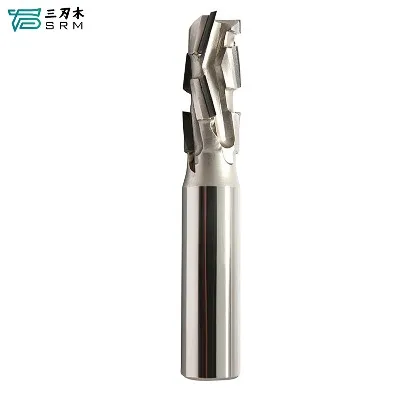
Spiral fluted bits have a helical or spiral shape along the cutting edge. The spiral design can be either up - cut or down - cut. In up - cut spiral bits, the flutes are designed to pull the chips upward and out of the cut. This is particularly useful when working on the top surface of the acrylic, as it helps to keep the surface clean and reduces the chance of chip buildup. For example, when creating a detailed inlay on the top of an acrylic panel, an Spiral Up Cut Bits can ensure a smooth and clean cut.
Down - cut spiral bits, on the other hand, push the chips downward. They are ideal for situations where you want to prevent chipping on the bottom surface of the acrylic. For instance, when cutting through an acrylic sheet and aiming for a clean bottom edge, a down - cut spiral bit can be the perfect choice.
The spiral design also provides a continuous cutting action. As the bit rotates, the cutting edge gradually engages with the material, reducing the impact force compared to straight - fluted bits. This results in less stress on the material and a smoother cut.
Straight - Fluted Acrylic Router Bits
Straight - fluted bits, as the name suggests, have straight cutting edges. These bits are simple in design and are often used for basic cutting operations. They are suitable for making straight cuts, grooves, or rabbets in acrylic.
The straight - fluted design allows for a more aggressive cutting action. The chips are removed in a more direct manner, and the bit can quickly remove a large amount of material. However, this also means that there is a higher risk of chipping and splintering, especially on the edges of the cut.
Cutting Performance
Chip Evacuation
One of the most significant differences between spiral and straight - fluted bits is chip evacuation. Spiral fluted bits, due to their helical shape, are much better at evacuating chips from the cutting area. The spiral flutes act like a screw, pulling or pushing the chips out of the cut. This helps to prevent chip buildup, which can cause overheating and damage to the bit and the material.
In contrast, straight - fluted bits rely on the rotation of the bit to throw the chips out of the cut. This method is less efficient, and chips can easily get trapped in the cutting area, leading to a rougher cut and potential damage to the material.
Surface Finish
Spiral fluted bits generally produce a smoother surface finish compared to straight - fluted bits. The continuous cutting action of the spiral design reduces the chances of leaving rough edges or burrs on the acrylic. This is especially important when working on projects that require a high - quality finish, such as display cases or decorative items.
Straight - fluted bits, while capable of making quick cuts, may leave a more textured surface. The aggressive cutting action can cause small chips and splinters to remain on the edges of the cut, which may require additional sanding or finishing to achieve a smooth surface.
Cutting Speed and Feed Rate
Spiral fluted bits can often be used at higher cutting speeds and feed rates compared to straight - fluted bits. The efficient chip evacuation and smooth cutting action allow for faster material removal without sacrificing the quality of the cut. However, it's important to note that the specific cutting speed and feed rate will depend on the type of acrylic, the thickness of the material, and the size of the bit.
Straight - fluted bits may require slower cutting speeds and feed rates to minimize chipping and splintering. The more direct cutting action can put more stress on the material, and running the bit too fast can result in a poor - quality cut.


Applications
Spiral Fluted Bits
Spiral fluted bits are well - suited for a variety of applications in acrylic processing. They are commonly used for detailed engraving, inlay work, and creating smooth edges on acrylic sheets. The ability to control chip evacuation and produce a high - quality surface finish makes them ideal for projects that require precision and aesthetics.
For example, in the production of acrylic signage, spiral fluted bits can be used to create intricate lettering and designs with clean edges. They are also popular in the manufacturing of acrylic jewelry, where a smooth and polished finish is essential.
Straight - Fluted Bits
Straight - fluted bits are more commonly used for rough cutting and basic shaping operations. They are often used to cut large pieces of acrylic into smaller sizes or to create simple grooves and channels. For instance, when preparing acrylic sheets for further processing, straight - fluted bits can quickly remove excess material.
However, due to the potential for chipping and rough edges, straight - fluted bits may not be the best choice for applications that require a high - quality finish. They are more suitable for projects where the final surface will be further refined or covered.
Durability and Cost
Durability
Spiral fluted bits are generally more durable than straight - fluted bits. The spiral design distributes the cutting forces more evenly along the cutting edge, reducing wear and tear. This means that spiral fluted bits can last longer and maintain their cutting performance over a greater number of cuts.
Straight - fluted bits, with their more aggressive cutting action, may experience more rapid wear, especially when used on hard or abrasive acrylic materials. The edges of the straight - fluted bits can become dull more quickly, requiring more frequent sharpening or replacement.
Cost
In general, spiral fluted bits tend to be more expensive than straight - fluted bits. The complex design and manufacturing process of spiral fluted bits contribute to their higher cost. However, considering their longer lifespan and better cutting performance, the investment in spiral fluted bits can be worthwhile, especially for high - volume or high - quality projects.
Straight - fluted bits are more affordable and are a good option for budget - conscious users or for projects where precision and finish are not the primary concerns.
Conclusion
In conclusion, the choice between spiral and straight - fluted acrylic router bits depends on the specific requirements of your project. Spiral fluted bits offer better chip evacuation, a smoother surface finish, and greater durability, but they come at a higher cost. They are ideal for detailed work and projects that require a high - quality finish.
Straight - fluted bits, on the other hand, are more affordable and suitable for rough cutting and basic shaping operations. They may not provide the same level of precision and finish as spiral fluted bits, but they can be a cost - effective solution for less demanding projects.
If you're in the market for acrylic router bits, whether it's Spiral Up Cut Bits, Compression Bits or Roughing End Mill Cutter, we are here to help. We offer a wide range of high - quality acrylic router bits to meet your specific needs. Contact us to discuss your requirements and start a procurement negotiation.
References
- Woodworking Machinery and Supplies Handbook
- Acrylic Processing Techniques Manual


