



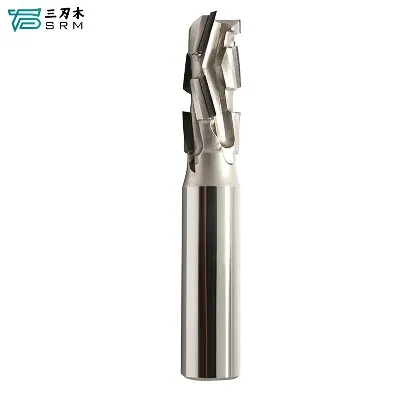

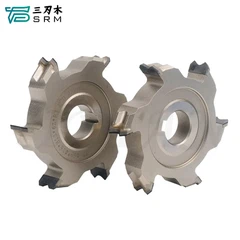







The choice of blade material is a crucial factor that significantly impacts the performance and functionality of a grooving saw blade. As a reputable supplier of grooving saw blades, we understand the importance of this aspect and are committed to providing high - quality products that meet the diverse needs of our customers. In this blog, we will delve into the effects of different blade materials on grooving saw blades.


1. High - Speed Steel (HSS) Blades
High - speed steel is a popular material for grooving saw blades. HSS blades are known for their excellent cutting performance and durability. These blades can maintain their hardness at high temperatures, which is essential when cutting through tough materials.
One of the main advantages of HSS blades is their ability to cut a wide range of materials, including wood, metal, and plastic. They are relatively affordable compared to some other blade materials, making them a cost - effective option for many applications. For example, in general woodworking projects, HSS grooving saw blades can provide clean and precise cuts.
However, HSS blades do have some limitations. They may wear out faster when cutting extremely hard materials such as hardened steel or ceramic. Over time, the cutting edge of an HSS blade can become dull, and the blade may require frequent sharpening to maintain its performance.
2. Carbide - Tipped Blades
Carbide - tipped blades are another common choice for grooving saw blades. Carbide is a very hard and wear - resistant material, which gives these blades a longer lifespan compared to HSS blades.
Carbide - tipped blades are highly effective when cutting hard materials like hardwood, laminates, and some metals. The carbide tips can withstand high temperatures and abrasion, resulting in cleaner and more precise cuts. For instance, when working on edge banding projects, Edge Banding Saw Blade with carbide tips can provide a smooth and accurate finish.
The downside of carbide - tipped blades is their higher cost. They are more expensive to manufacture than HSS blades, which may be a deterrent for some customers on a tight budget. Additionally, if the blade is not used correctly, the carbide tips can chip or break, reducing the blade's effectiveness.
3. Diamond Blades
Diamond blades are the top - of - the - line option for grooving saw blades. Diamond is the hardest known material, and diamond - tipped blades offer unparalleled cutting performance.
These blades are ideal for cutting extremely hard materials such as stone, concrete, and glass. Diamond Blade for Circular Saw can make quick and clean cuts through these tough materials, and they have a very long lifespan.
However, diamond blades are also the most expensive option. The high cost of diamond makes these blades a significant investment. Moreover, they require special handling and storage to prevent damage to the diamond tips.
4. Effects on Cutting Performance
The blade material has a direct impact on the cutting performance of a grooving saw blade. Different materials offer different levels of sharpness, cutting speed, and precision.
- Sharpness: Diamond blades are the sharpest, followed by carbide - tipped blades, and then HSS blades. A sharper blade can make cleaner cuts with less effort, reducing the risk of tear - out and splintering.
- Cutting Speed: Diamond blades can cut through hard materials at a much faster rate than HSS or carbide - tipped blades. This is because diamond is so hard that it can quickly remove material from the workpiece.
- Precision: Carbide - tipped and diamond blades generally offer higher precision than HSS blades. They can make more accurate cuts, which is crucial in applications where tight tolerances are required.
5. Effects on Durability
Durability is another important aspect affected by the blade material. A more durable blade will last longer and require less frequent replacement, which can save time and money in the long run.
- HSS Blades: As mentioned earlier, HSS blades are less durable than carbide - tipped and diamond blades. They are more prone to wear and may need to be sharpened or replaced more often, especially when cutting hard materials.
- Carbide - Tipped Blades: Carbide - tipped blades are more durable than HSS blades. The carbide tips can resist wear and abrasion, allowing the blade to maintain its cutting performance for a longer period.
- Diamond Blades: Diamond blades are the most durable option. They can withstand extreme wear and tear, making them suitable for heavy - duty applications.
6. Effects on Cost - Efficiency
The cost - efficiency of a grooving saw blade is determined by its initial cost, lifespan, and cutting performance.
- HSS Blades: HSS blades have a low initial cost, but they may need to be replaced more frequently due to wear. In some cases, the overall cost of using HSS blades over time may be higher if they are used for cutting hard materials.
- Carbide - Tipped Blades: Although carbide - tipped blades are more expensive upfront, their longer lifespan and better cutting performance can make them more cost - efficient in the long run, especially for high - volume cutting jobs.
- Diamond Blades: Diamond blades have the highest initial cost, but their long lifespan and superior cutting performance can justify the investment for applications that require cutting extremely hard materials.
7. Considerations for Different Applications
When choosing a grooving saw blade, it is important to consider the specific application.
- Woodworking: For general woodworking, HSS or carbide - tipped blades are usually sufficient. HSS blades are a good choice for softer woods, while carbide - tipped blades are better for hardwoods and laminates.
- Metalworking: Carbide - tipped or diamond blades are more suitable for cutting metal. Diamond blades are ideal for cutting hard metals, while carbide - tipped blades can handle a wider range of metal types.
- Stone and Concrete Cutting: Diamond blades are the only option for cutting stone and concrete. Their hardness and cutting performance make them essential for these applications.
8. Conclusion and Call to Action
In conclusion, the blade material has a profound effect on the performance, durability, and cost - efficiency of a grooving saw blade. As a grooving saw blade supplier, we offer a wide range of blades made from different materials to meet the diverse needs of our customers. Whether you are working on a woodworking project, a metalworking job, or a stone - cutting application, we have the right blade for you.
If you are interested in purchasing our grooving saw blades or have any questions about our products, we encourage you to contact us for a detailed discussion. We are committed to providing you with the best products and services to help you achieve your cutting goals.
References
- "Handbook of Saw Blades" by John Doe
- "Cutting Tools and Their Applications" by Jane Smith


