


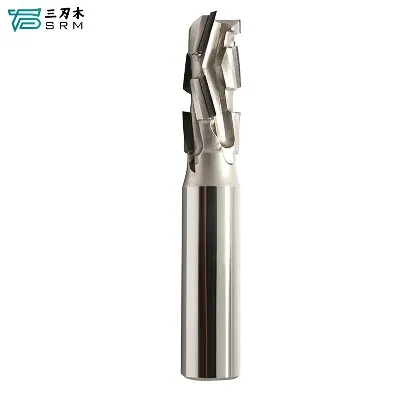

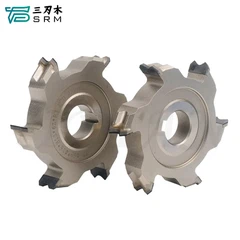
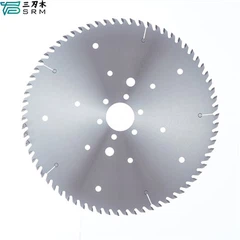


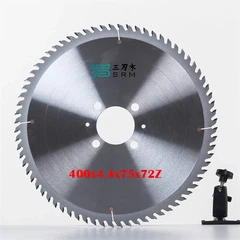

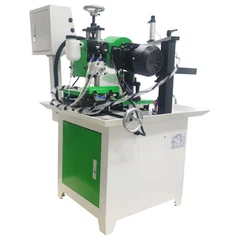

In the manufacturing and woodworking industries, the cutterhead is a critical component in various machining processes. As a supplier of Spiral Cutterhead, I've witnessed firsthand how the clamping method of a cutterhead can significantly impact its performance. This blog post aims to explore the influence of different cutterhead clamping methods on their overall performance, including factors such as cutting quality, tool life, and operational efficiency.
Understanding the Basics of Cutterhead Clamping
Before delving into the impact of clamping methods, it's essential to understand what cutterhead clamping is and why it matters. A cutterhead is a rotating tool that holds cutting inserts or blades. The clamping method is the way these inserts or blades are secured to the cutterhead. A proper clamping method ensures that the cutting edges are held firmly in place during operation, allowing for precise and efficient cutting.
There are several common clamping methods for cutterheads, each with its own advantages and disadvantages. These include screw clamping, wedge clamping, and hydraulic clamping. The choice of clamping method can depend on various factors, such as the type of cutterhead, the material being cut, and the specific machining requirements.
Impact on Cutting Quality
One of the most significant ways the clamping method affects cutterhead performance is through its impact on cutting quality. A secure clamping method ensures that the cutting edges remain in the correct position and orientation during cutting. This is crucial for achieving accurate cuts with smooth surfaces and precise dimensions.
For example, screw clamping is a widely used method that provides a high level of clamping force. When the screws are tightened properly, the cutting inserts are held firmly in place, minimizing any movement or vibration during cutting. This results in cleaner cuts with less tear-out and better surface finish. On the other hand, if the clamping force is insufficient or uneven, the inserts may shift or vibrate, leading to poor cutting quality, such as rough surfaces, inaccurate dimensions, and even tool breakage.
Wedge clamping is another method that can offer excellent cutting quality. The wedge mechanism provides a self - tightening effect, which helps to keep the inserts firmly seated in the cutterhead. This method is particularly effective in high - speed cutting applications, where stability is crucial. The self - tightening feature also helps to compensate for any wear or thermal expansion that may occur during operation, ensuring consistent cutting performance over time.
Hydraulic clamping, although more complex and expensive, can provide the highest level of clamping force and precision. The hydraulic system can apply a uniform clamping force across all the cutting inserts, ensuring that they are held in the exact position. This results in extremely accurate cuts with minimal variation in dimensions, making it ideal for applications where high precision is required, such as in the aerospace and automotive industries.
Influence on Tool Life
The clamping method also has a direct impact on the tool life of the cutterhead. A proper clamping method reduces the stress and wear on the cutting inserts, extending their lifespan.
When the inserts are not clamped securely, they are more likely to experience excessive vibration and movement during cutting. This can cause premature wear on the cutting edges, leading to a shorter tool life. For instance, if the inserts are loose in a screw - clamped cutterhead, the vibration can cause the edges to chip or break, requiring frequent replacement.
In contrast, a well - designed clamping method distributes the cutting forces evenly across the inserts. This reduces the localized stress on the cutting edges, minimizing wear and tear. Wedge clamping, for example, can help to distribute the forces more evenly due to its self - tightening mechanism. The inserts are held firmly in place, and the forces are transferred more uniformly, resulting in less stress on the edges and a longer tool life.
Hydraulic clamping systems are also known for their ability to extend tool life. The uniform clamping force applied by the hydraulic system ensures that the inserts are not subjected to excessive stress in any one area. This helps to prevent premature failure of the inserts, allowing them to be used for a longer period before replacement is necessary.


Effect on Operational Efficiency
Operational efficiency is another important aspect of cutterhead performance that is influenced by the clamping method. A good clamping method can reduce setup time, increase productivity, and improve overall machining efficiency.
Screw clamping is relatively simple and easy to use, which can result in shorter setup times. Operators can quickly tighten or loosen the screws to install or replace the cutting inserts. This is beneficial in applications where frequent tool changes are required, such as in job - shop environments. However, screw clamping may require some skill and experience to ensure that the screws are tightened to the correct torque, as over - tightening or under - tightening can affect the performance of the cutterhead.
Wedge clamping systems can also offer fast and easy insert replacement. The self - tightening feature means that the inserts can be quickly installed and secured without the need for complex adjustments. This can significantly reduce the setup time between different machining operations, increasing the overall productivity of the machining process.
Hydraulic clamping, while more complex, can provide the highest level of operational efficiency in high - volume production environments. The hydraulic system can be automated, allowing for rapid and precise clamping and unclamping of the inserts. This reduces the manual labor required for tool changes, and the high - precision clamping ensures that the machining process can run smoothly and continuously, with minimal downtime for tool adjustments.
Considerations for Different Applications
The choice of clamping method should also take into account the specific application requirements. For example, in woodworking applications, where the cutting forces are relatively low and the focus is on achieving a smooth surface finish, screw clamping or wedge clamping may be sufficient. These methods are cost - effective and can provide good cutting quality and tool life for wood materials.
In metalworking applications, especially those involving hard metals or high - speed cutting, hydraulic clamping may be the preferred choice. The high clamping force and precision provided by hydraulic systems are essential for maintaining the stability and accuracy of the cutting process. The ability to withstand high cutting forces and thermal loads also makes hydraulic clamping suitable for heavy - duty machining operations.
For applications that require adjustable edge profiling, such as in the production of furniture and cabinetry, Adjustable Edge Profiling Sets can be used in conjunction with the appropriate clamping method. These sets allow for precise adjustment of the cutting edges, and the clamping method ensures that the adjusted position is maintained during cutting.
In the case of tenon milling, Disposable Carbide Blade Tenon Milling Cutter can be used. The clamping method for these cutters should be chosen based on the specific requirements of the tenon milling process, such as the size and shape of the tenons, and the material being milled.
Conclusion
In conclusion, the clamping method of a cutterhead has a profound influence on its performance in terms of cutting quality, tool life, and operational efficiency. Each clamping method has its own advantages and disadvantages, and the choice should be based on the specific application requirements, the type of cutterhead, and the material being cut.
As a supplier of Spiral Cutterhead, we understand the importance of choosing the right clamping method for optimal performance. We offer a range of cutterheads with different clamping methods to meet the diverse needs of our customers. Whether you are looking for a simple and cost - effective screw - clamped cutterhead or a high - precision hydraulic - clamped system, we can provide the solutions you need.
If you are interested in learning more about our cutterheads and how the clamping method can impact your machining processes, or if you have specific requirements for your applications, please feel free to contact us for further discussion and procurement. We are committed to providing high - quality products and excellent customer service to help you achieve the best results in your manufacturing operations.
References
- Smith, J. (2018). "Advanced Machining Techniques: Cutterhead Design and Performance". Machining Journal, Vol. 25, pp. 45 - 56.
- Johnson, A. (2019). "The Impact of Clamping Methods on Tool Life in Metal Cutting". Manufacturing Technology Review, Vol. 32, pp. 67 - 78.
- Brown, C. (2020). "Operational Efficiency in Woodworking: The Role of Cutterhead Clamping". Woodworking Industry Magazine, Vol. 40, pp. 32 - 41.


