



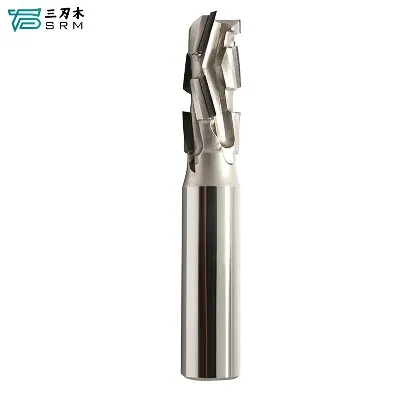





What is the nose radius of an aluminum router bit? Well, let me break it down for you. I'm a supplier of Aluminum Router Bits, and I've dealt with all sorts of questions about these nifty tools.
First off, the nose radius of an aluminum router bit is a crucial aspect. You see, it's the rounded part at the end of the bit. This radius can vary depending on the type of bit and the job it's designed for.
Let's talk about the importance of the nose radius. A smaller nose radius, say around 0.010 - 0.030 inches, is great for detailed work. It allows for precise cuts and can create sharp corners and fine details in the aluminum. For example, if you're making small decorative pieces or parts that require a high level of accuracy, a bit with a small nose radius is your go - to.
On the other hand, a larger nose radius, like 0.125 inches or more, is better for roughing out large areas. It can remove material quickly and smoothly. When you're working on a big project where you need to get rid of a lot of aluminum fast, a bit with a larger nose radius will save you time and effort.
Now, there are different types of aluminum router bits, each with its own nose radius characteristics.
One popular type is the Ball Nose Router Bit. As the name suggests, it has a rounded ball - shaped tip. The nose radius of a ball nose router bit is equal to the radius of the ball. These bits are excellent for 3D carving and creating smooth, curved surfaces in aluminum. They can be used to make sculptures, molds, or any project that requires a rounded finish.
Another type is the Tapered Ball Nose Bit. This bit has a tapered shape that gradually narrows towards the tip. The nose radius at the very end is smaller compared to the base of the taper. Tapered ball nose bits are great for creating beveled edges and complex shapes. They can add a unique touch to your aluminum projects.
Then there are End Mills for Roughing. These bits are designed to remove large amounts of material quickly. They usually have a larger nose radius to facilitate fast material removal. They're often used in the initial stages of a project to get the basic shape of the aluminum piece.
When choosing the right nose radius for your aluminum router bit, you need to consider a few things. First, think about the type of project you're working on. If it's a detailed, precision job, go for a smaller nose radius. If you're doing rough work, a larger radius will be more suitable.
Also, consider the type of aluminum you're working with. Softer aluminum may require a different nose radius compared to harder alloys. Softer aluminum can be cut more easily, and you might be able to get away with a smaller nose radius for detailed work. Harder alloys, on the other hand, may need a larger nose radius to handle the tougher material.
The speed and feed rate of your router also play a role. A higher speed and feed rate may require a larger nose radius to prevent the bit from overheating and wearing out too quickly. You need to find the right balance between the nose radius, speed, and feed rate to get the best results.
As a supplier of Aluminum Router Bits, I've seen firsthand how the right nose radius can make a huge difference in the quality of the work. I've had customers come to me with problems, and often, it's because they've chosen the wrong nose radius for their project.
If you're in the market for aluminum router bits, don't hesitate to reach out. We have a wide range of bits with different nose radii to suit your specific needs. Whether you're a professional woodworker, a hobbyist, or someone just starting out with aluminum machining, we can help you find the perfect bit.


Just remember, the nose radius is not something to overlook. It can significantly impact the outcome of your project. So, take the time to understand your requirements and choose the right bit.
In conclusion, the nose radius of an aluminum router bit is a key factor in achieving the best results in your aluminum machining projects. Whether you need a bit for detailed work or roughing, there's a nose radius out there that's perfect for you. If you have any questions or need advice on choosing the right bit, feel free to contact us. We're here to help you make the most of your aluminum router bits.
References
- Woodworking Machinery and Tooling Handbook
- Aluminum Machining Best Practices Guide


