



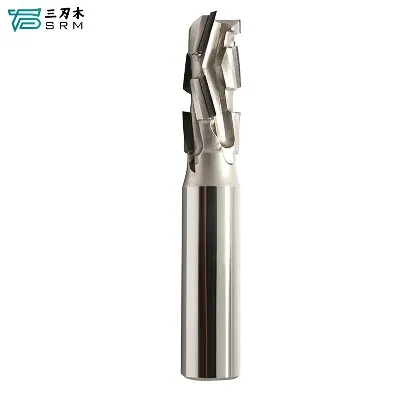

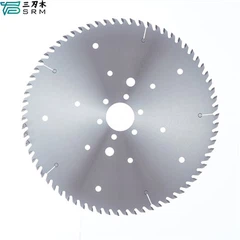


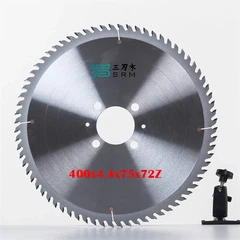

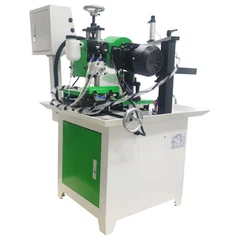

Hey there, woodworking enthusiasts! As a supplier of Planer Cutterhead, I often get asked about the recommended feed rate for a planer cutterhead. It's a crucial question because getting the feed rate right can make a huge difference in the quality of your woodworking projects.
Let's start by understanding what the feed rate is. Simply put, the feed rate is how fast the wood moves through the planer cutterhead. It's measured in feet per minute (FPM). A feed rate that's too fast can result in a rough surface finish on your wood, while a feed rate that's too slow can lead to burn marks and wasted time.
Factors Affecting the Recommended Feed Rate
Wood Type
Different types of wood have different densities and hardness levels. Hardwoods like oak, maple, and walnut generally require a slower feed rate compared to softwoods like pine and cedar. For example, when planarizing oak, a good starting point for the feed rate might be around 10 - 15 FPM. This allows the cutterhead to make clean cuts through the dense wood without causing excessive wear on the blades. On the other hand, pine can handle a slightly faster feed rate, maybe around 15 - 20 FPM, as it's less dense and easier to cut through.
Cutterhead Design and Blade Configuration
The design of the planer cutterhead and the number of blades it has also play a significant role in determining the feed rate. A cutterhead with more blades can typically handle a faster feed rate because there are more cutting edges to make contact with the wood at any given time. For instance, a cutterhead with 12 blades might be able to handle a feed rate that's 20 - 30% faster than a cutterhead with 6 blades, all other factors being equal.
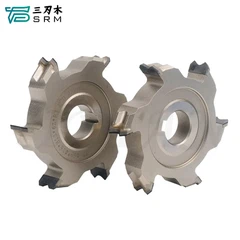
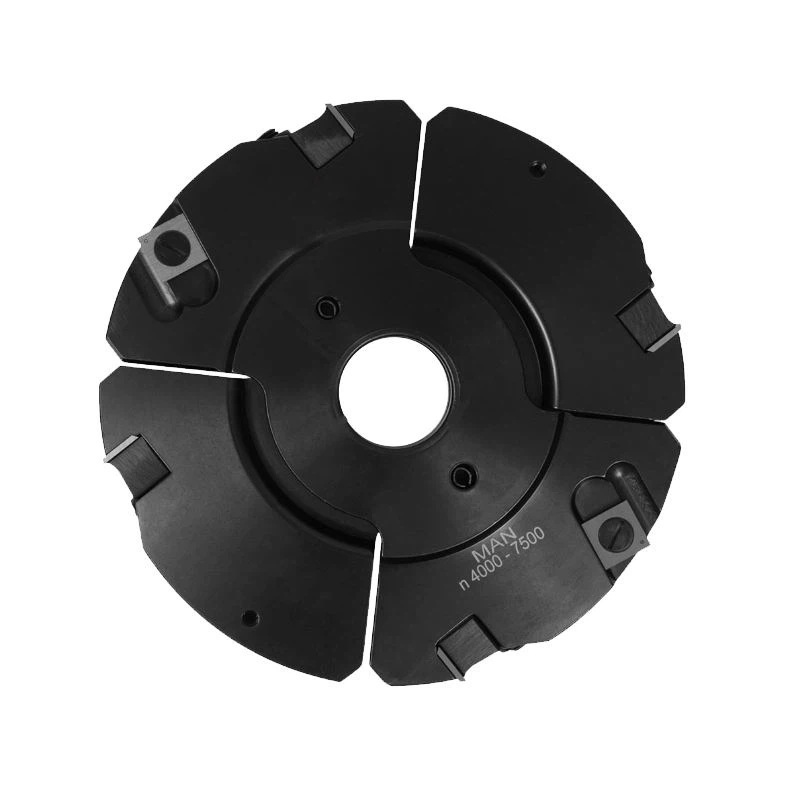
Our Adjustable Edge Profiling Sets are designed to provide a smooth and precise cut, which can allow for a slightly higher feed rate compared to standard cutterheads. The adjustable feature also means you can customize the profiling to suit your specific project needs.
Blade Sharpness
Sharp blades are essential for achieving a good feed rate. Dull blades can cause the wood to tear and splinter, which not only affects the surface finish but also requires a slower feed rate to compensate. Make sure to regularly check and sharpen your blades. A sharp blade can cut through the wood more easily, allowing you to increase the feed rate and improve productivity.
Determining the Optimal Feed Rate
So, how do you determine the optimal feed rate for your planer cutterhead? Well, it's a bit of a trial-and-error process, but there are some general guidelines you can follow.
Start Slow
When you're working with a new type of wood or a new cutterhead, it's always a good idea to start with a slow feed rate. This allows you to get a feel for how the wood is being cut and to make sure everything is running smoothly. You can then gradually increase the feed rate in small increments until you find the sweet spot where you're getting a smooth, clean cut without any signs of burning or tearing.
Listen to the Machine
Your planer cutterhead will tell you a lot about the feed rate just by the sound it makes. If it's making a loud, straining noise, it could be a sign that the feed rate is too fast and the machine is struggling to cut through the wood. On the other hand, if it's running too quietly, the feed rate might be too slow, and you could be wasting time.
Check the Surface Finish
After each pass, take a close look at the surface of the wood. If it's rough or has tear-outs, the feed rate is probably too fast. Try reducing it slightly and making another pass. If the surface is smooth and has a nice, even finish, you've found the right feed rate.
The Role of Adjustable Grooving Tools Set
Our Adjustable Grooving Tools Set can also have an impact on the feed rate. These tools are designed to create precise grooves in the wood, and they can handle a certain range of feed rates depending on the depth and width of the groove.
When using the adjustable grooving tools, it's important to follow the manufacturer's recommendations for feed rate. Generally, the deeper and wider the groove, the slower the feed rate should be. This ensures that the cutter has enough time to remove the wood chips and create a clean, accurate groove.
Importance of Consistent Feed Rate
Maintaining a consistent feed rate is just as important as finding the right one. Inconsistent feed rates can lead to uneven cuts, which can be especially noticeable on large surfaces or when creating multiple parts that need to match.
To ensure a consistent feed rate, you can use a power feeder. A power feeder is a device that automatically moves the wood through the planer cutterhead at a set speed. This takes the guesswork out of feeding the wood and helps to ensure a uniform cut every time.
Conclusion
In conclusion, the recommended feed rate for a planer cutterhead depends on several factors, including the wood type, cutterhead design, blade sharpness, and the specific tools you're using. By starting slow, listening to the machine, and checking the surface finish, you can find the optimal feed rate for your projects.
If you're in the market for a high-quality Planer Cutterhead, Adjustable Edge Profiling Sets, or Adjustable Grooving Tools Set, we're here to help. We offer a wide range of products designed to meet the needs of woodworkers at all levels.

If you have any questions or would like to discuss your specific requirements, feel free to reach out. We're always happy to have a chat and help you find the right solutions for your woodworking projects. Whether you're a professional woodworker or a hobbyist, we're committed to providing you with the best products and support. Contact us today to start a conversation about your cutterhead needs and let's work together to take your woodworking to the next level!
References
- Woodworking Machinery Handbook
- Guide to Planer Cutterhead Operations


