








Wear resistance is a crucial property when it comes to step router bits, especially for those in the woodworking and machining industries. As a step router bit supplier, I've seen firsthand how the wear resistance of these tools can significantly impact the quality of work, production efficiency, and overall cost - effectiveness. In this blog, we'll delve into what wear resistance means for step router bits, the factors that influence it, and why it matters for your projects.
What is Wear Resistance?
Wear resistance refers to a material's ability to withstand the effects of wear, which is the gradual removal of material from the surface of an object due to mechanical action such as friction, abrasion, or impact. In the context of step router bits, wear resistance determines how long the bit can maintain its cutting edge and geometric shape while in use. A highly wear - resistant step router bit will retain its sharpness and precision for a longer period, resulting in consistent cutting performance over multiple operations.
Factors Affecting the Wear Resistance of Step Router Bits
Material of the Bit
The material from which the step router bit is made is one of the most significant factors influencing its wear resistance. Common materials used for step router bits include high - speed steel (HSS), carbide, and carbide - tipped.
High - speed steel is a popular choice for general - purpose applications. It offers good toughness and can withstand moderate cutting forces. However, its wear resistance is relatively lower compared to carbide. HSS bits are more prone to dulling when used on harder materials or in high - volume production environments.
Carbide, on the other hand, is known for its excellent wear resistance. Carbide step router bits can maintain their sharpness for a much longer time, even when cutting through abrasive materials such as hardwoods, laminates, and composites. Carbide is extremely hard and can withstand high temperatures generated during the cutting process, reducing the risk of thermal damage and wear.
Carbide - tipped step router bits combine the toughness of a steel body with the wear resistance of carbide cutting edges. This design provides a cost - effective solution that offers good wear resistance while also being more affordable than full - carbide bits.
Coating
Applying a coating to the step router bit can further enhance its wear resistance. Coatings such as titanium nitride (TiN), titanium carbonitride (TiCN), and aluminum titanium nitride (AlTiN) can reduce friction between the bit and the workpiece, lower cutting temperatures, and protect the bit from chemical reactions with the material being cut.
For example, TiN coatings are known for their gold - colored appearance and offer good wear resistance and lubricity. TiCN coatings provide even better wear resistance than TiN and are suitable for high - speed machining applications. AlTiN coatings are designed to withstand high temperatures and are ideal for cutting hard materials at high speeds.
Cutting Conditions
The cutting conditions under which the step router bit is used also play a crucial role in its wear resistance. Factors such as cutting speed, feed rate, and depth of cut can all affect how quickly the bit wears.
If the cutting speed is too high, the bit may overheat, leading to thermal damage and accelerated wear. On the other hand, if the feed rate is too low, the bit may rub against the material rather than cutting it cleanly, causing excessive wear on the cutting edge. Finding the right balance between cutting speed, feed rate, and depth of cut is essential to maximize the wear resistance of the step router bit.
Why Wear Resistance Matters
Quality of Work
A step router bit with good wear resistance will produce a cleaner and more precise cut. As the bit retains its sharpness, it can cut through the material smoothly, leaving behind a finish with fewer tear - outs, burns, or rough edges. This is particularly important for applications where a high - quality surface finish is required, such as in furniture making, cabinetry, and decorative woodworking.
Productivity
Wear - resistant step router bits can significantly improve productivity. Since they don't need to be replaced as frequently, there is less downtime for tool changes. This allows for continuous production and faster project completion. In high - volume manufacturing environments, the time saved by using wear - resistant bits can translate into substantial cost savings.


Cost - Effectiveness
Although wear - resistant step router bits may have a higher upfront cost, they can be more cost - effective in the long run. By lasting longer, they reduce the frequency of tool purchases. Additionally, the improved quality of work and increased productivity can lead to higher profits for businesses.
Our Range of Step Router Bits
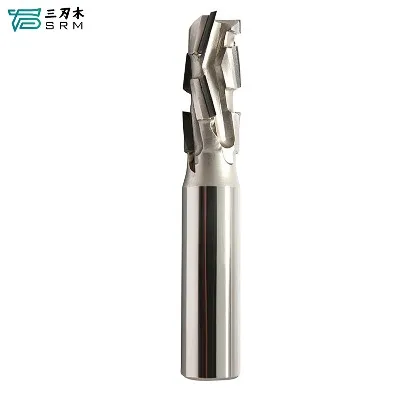
As a step router bit supplier, we offer a wide range of products to meet the diverse needs of our customers. Our Spiral Cut Router Bit is designed with a spiral cutting edge that provides smooth chip evacuation and reduces the risk of clogging. The spiral design also helps to distribute the cutting forces evenly, improving the wear resistance of the bit.
Our Carbide Tipped Straight Router Bit combines the strength of a steel body with the wear - resistant carbide tips. This bit is suitable for a variety of applications, from edge profiling to dado cutting.
For more specialized applications, we also offer the Arc Bending Integrated Router Bit. This bit is designed to create complex arc - shaped cuts with precision and efficiency. The high - quality carbide material used in its construction ensures excellent wear resistance, even when working on challenging materials.
Contact Us for Your Step Router Bit Needs
If you're looking for high - quality step router bits with excellent wear resistance, we're here to help. Our team of experts can assist you in selecting the right bit for your specific application. Whether you're a professional woodworker or a hobbyist, we have the products and knowledge to meet your requirements. Contact us today to start a discussion about your step router bit needs and explore how our products can enhance your projects.
References
- Boothroyd, G., & Knight, W. A. (2006). Fundamentals of machining and machine tools. CRC Press.
- Kalpakjian, S., & Schmid, S. R. (2014). Manufacturing engineering and technology. Pearson.
- Trent, E. M., & Wright, P. K. (2000). Metal cutting. Butterworth - Heinemann.


