








Are lock hole router bits available in different tip designs?
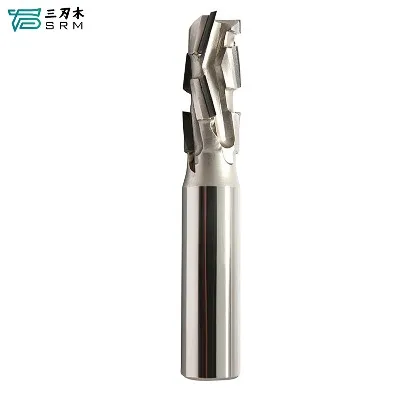
As a supplier of lock hole router bits, I often get asked about the availability of different tip designs. In the world of woodworking and machining, the tip design of a router bit can significantly impact the quality of the work, the efficiency of the process, and the overall performance of the tool. So, let's delve into the question of whether lock hole router bits come in different tip designs.
The Importance of Tip Design
The tip of a router bit is the part that comes into direct contact with the material being cut. It determines the shape, finish, and precision of the cut. Different tip designs are optimized for specific applications and materials. For example, a sharp tip may be ideal for making clean, precise cuts in softwoods, while a rounded tip might be better suited for creating smooth curves in hardwoods.


Types of Tip Designs for Lock Hole Router Bits
- Straight Tip
The straight tip is one of the most common tip designs for lock hole router bits. It is characterized by a flat, straight cutting edge. This design is ideal for making straight cuts and creating clean, sharp edges. Straight tip router bits are often used for cutting mortises, dadoes, and rabbets. They are also suitable for cutting through a variety of materials, including wood, plastic, and composite materials. - Rounded Tip
Rounded tip router bits have a curved cutting edge. This design is perfect for creating smooth, rounded edges and curves. Rounded tip bits are commonly used for decorative work, such as creating bevels, bullnoses, and ogees. They can also be used for creating holes with a smooth, rounded interior. - V-Tip
V-tip router bits have a V-shaped cutting edge. This design is ideal for creating V-grooves, lettering, and decorative inlays. V-tip bits can be used to create sharp, precise cuts and are often used in sign-making and woodworking projects. - Ball Nose Tip
A Ball Nose Router Bit has a hemispherical tip. This design is commonly used for 3D carving and contouring. Ball nose bits are ideal for creating smooth, curved surfaces and are often used in woodworking, metalworking, and plastics machining. - O Flute Tip
The O Flute Router Bit has a unique O-shaped flute design. This design provides excellent chip evacuation, which helps to prevent clogging and overheating. O flute bits are suitable for cutting a variety of materials, including aluminum, wood, and plastics. - Aluminum Tip
An Aluminum Router Bit is specifically designed for cutting aluminum and other non-ferrous metals. These bits have a special coating and geometry that allows them to cut through aluminum with minimal heat and friction. Aluminum router bits are commonly used in the aerospace, automotive, and electronics industries.
Factors to Consider When Choosing a Tip Design
When choosing a lock hole router bit with a specific tip design, there are several factors to consider:
- Material
The type of material you are cutting will determine the most suitable tip design. For example, if you are cutting hardwood, a sharp, straight tip may be more appropriate. If you are cutting softwood or plastic, a rounded or V-tip may be a better choice. - Application
The application for which you are using the router bit will also influence your choice of tip design. If you are creating a decorative edge, a rounded or V-tip may be ideal. If you are making a straight cut, a straight tip may be the best option. - Desired Finish
The finish you want to achieve will also play a role in your choice of tip design. A sharp tip will create a clean, precise cut, while a rounded tip will create a smooth, rounded finish. - Tool Compatibility
Make sure the tip design you choose is compatible with your router. Some router bits may require a specific type of router or collet.
Advantages of Different Tip Designs
- Versatility
Having a variety of tip designs available allows you to tackle different types of projects and materials. You can choose the tip design that is best suited for the specific task at hand, which can improve the quality and efficiency of your work. - Precision
Different tip designs offer different levels of precision. For example, a sharp tip can create a very precise cut, while a rounded tip can create a more forgiving, smooth finish. By choosing the right tip design, you can achieve the level of precision you need for your project. - Efficiency
The right tip design can also improve the efficiency of your work. For example, a tip design that provides good chip evacuation can prevent clogging and overheating, which can reduce the time and effort required to complete a project.
Conclusion
In conclusion, lock hole router bits are available in a variety of tip designs, each with its own unique advantages and applications. Whether you are a professional woodworker or a DIY enthusiast, having access to different tip designs can enhance your woodworking capabilities and allow you to achieve better results.
If you are interested in purchasing lock hole router bits or have any questions about our products, please feel free to contact us. We are here to help you find the right router bits for your needs.
References
- Woodworking Machinery and Tools Handbook.
- Router Bit Selection Guide.


