



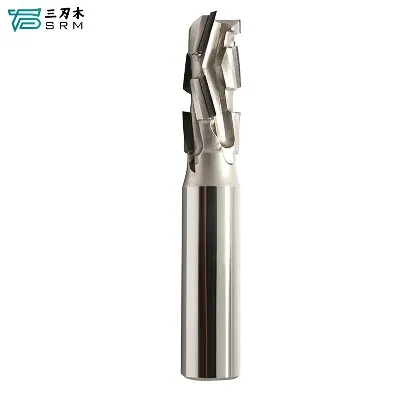

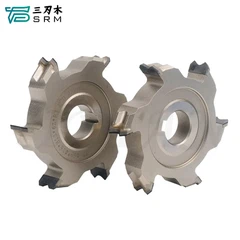
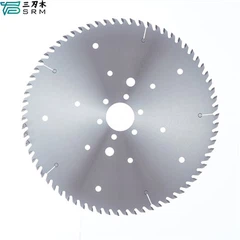


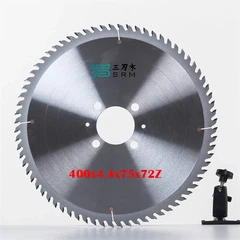


TCT (Tungsten Carbide Tipped) router bits are widely used in woodworking, metalworking, and other industries for their durability and cutting performance. As a TCT router bits supplier, I often receive questions from customers about the safety of using these tools. In this blog post, I will explore the safety aspects of TCT router bits, discussing potential risks, safety measures, and best practices to ensure a safe working environment.
Understanding TCT Router Bits
TCT router bits are designed with tungsten carbide tips brazed onto a steel body. The tungsten carbide provides excellent hardness and wear resistance, allowing the bits to cut through a variety of materials with precision and efficiency. These bits come in various shapes and sizes, including Flush Trimming Router Bit With Bearing, Brazing Blade Straight Router Bit, and Dovetail CNC Bit, each tailored for specific applications.
Potential Risks of Using TCT Router Bits
While TCT router bits offer many benefits, they also pose certain risks if not used correctly. Here are some of the potential hazards associated with these tools:
1. Flying Debris
When using a TCT router bit, the cutting process generates a significant amount of debris, including wood chips, dust, and metal shavings. These particles can be ejected at high speeds, posing a risk of eye injury, skin irritation, and respiratory problems.
2. Kickback
Kickback occurs when the workpiece is suddenly thrown back towards the operator due to the bit binding or snagging in the material. This can cause serious injuries, including cuts, bruises, and broken bones.
3. Noise and Vibration
Router bits can produce high levels of noise and vibration during operation. Prolonged exposure to these conditions can lead to hearing loss, hand-arm vibration syndrome, and other health problems.
4. Electrical Hazards
If the router is not properly grounded or if there are any electrical faults, there is a risk of electric shock. This can be particularly dangerous when working with power tools.
Safety Measures for Using TCT Router Bits
To minimize the risks associated with using TCT router bits, it is essential to follow these safety measures:
1. Wear Personal Protective Equipment (PPE)
Always wear appropriate PPE, including safety glasses, ear protection, a dust mask, and gloves. Safety glasses will protect your eyes from flying debris, while ear protection will reduce the risk of hearing loss. A dust mask will prevent you from inhaling harmful dust particles, and gloves will protect your hands from cuts and abrasions.
2. Use the Right Tool for the Job
Select the appropriate TCT router bit for the material and application. Using the wrong bit can result in poor cutting performance, increased wear and tear on the bit, and a higher risk of kickback. Refer to the manufacturer's recommendations for the correct bit selection.
3. Secure the Workpiece
Make sure the workpiece is securely clamped or held in place to prevent it from moving during the cutting process. This will reduce the risk of kickback and ensure a more accurate cut.
4. Follow Proper Operating Procedures
Read and understand the user manual before operating the router. Follow the recommended speed settings, feed rates, and cutting depths for the specific bit and material. Avoid forcing the router through the material, as this can cause the bit to bind and increase the risk of kickback.
5. Maintain the Router and Bits
Regularly inspect the router and bits for any signs of damage or wear. Replace worn or damaged bits immediately to ensure safe and efficient operation. Keep the router clean and lubricated to prevent overheating and extend the life of the tool.
6. Be Aware of Your Surroundings
Keep the work area clean and free of clutter. Make sure there are no obstacles or tripping hazards. Avoid working in wet or damp conditions, as this can increase the risk of electrical shock.
Best Practices for Using TCT Router Bits
In addition to following the safety measures outlined above, here are some best practices to ensure the safe and effective use of TCT router bits:
1. Start with a Test Cut
Before making a full cut on the workpiece, make a test cut on a scrap piece of material. This will allow you to check the cutting performance of the bit and make any necessary adjustments to the speed, feed rate, or cutting depth.


2. Use a Router Table
A router table provides a stable and secure platform for using TCT router bits. It allows you to control the movement of the workpiece and the bit, reducing the risk of kickback and improving the accuracy of the cut.
3. Use a Dust Collection System
A dust collection system will help to remove the debris generated during the cutting process, reducing the risk of respiratory problems and keeping the work area clean. Make sure the dust collection system is properly connected and functioning correctly.
4. Take Breaks
Working with a router can be physically demanding, so it's important to take regular breaks to avoid fatigue. This will help to maintain your focus and reduce the risk of accidents.
5. Train Your Employees
If you are using TCT router bits in a workplace setting, make sure your employees are properly trained on the safe use of these tools. Provide them with the necessary PPE and training on the operating procedures and safety measures.
Conclusion
TCT router bits are safe to use when proper safety measures and best practices are followed. By understanding the potential risks associated with these tools and taking the necessary precautions, you can minimize the risk of accidents and ensure a safe working environment. As a TCT router bits supplier, we are committed to providing high-quality products and promoting safe use of our tools. If you have any questions or need further information about the safety of TCT router bits, please feel free to contact us. We look forward to discussing your needs and helping you find the right TCT router bits for your application.
References
- Woodworking Safety Guidelines, Occupational Safety and Health Administration (OSHA)
- Router Bit Safety Tips, Fine Woodworking Magazine
- TCT Router Bit Manufacturer's Manuals


