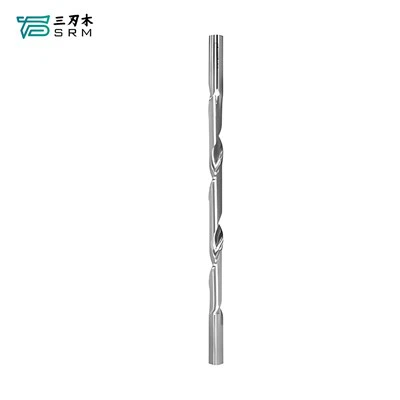





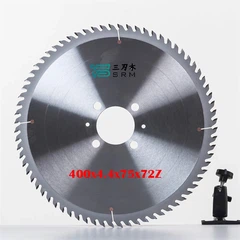


Hey there! As a supplier of planer cutterheads, I often get asked about the special requirements for storing these essential tools. Today, I'm gonna share some insights on this topic to help you keep your planer cutterheads in top-notch condition.
First off, let's talk about why proper storage is so important. Planer cutterheads are precision tools, and any damage or wear can significantly affect their performance. By storing them correctly, you can extend their lifespan, maintain their cutting edge, and ensure consistent results in your woodworking projects.
One of the most crucial factors in storing planer cutterheads is keeping them clean. Before storing, make sure to remove any debris, sawdust, or resin from the cutterhead. You can use a brush or compressed air to clean the blades and the body of the cutterhead. This not only prevents corrosion but also helps to keep the cutting edges sharp.
Another important consideration is the environment in which you store your planer cutterheads. They should be stored in a dry, cool place away from direct sunlight and moisture. High humidity can cause rust and corrosion, which can damage the cutterhead and reduce its effectiveness. If possible, store the cutterheads in a sealed container or a toolbox to protect them from dust and other contaminants.
When it comes to the actual storage method, there are a few options. You can store the cutterheads on a shelf or in a cabinet, but make sure they are not stacked on top of each other. This can cause the blades to become dull or damaged. Instead, use a cutterhead holder or a dedicated storage rack to keep them organized and protected.
In addition to proper storage, it's also important to handle the cutterheads with care. When installing or removing the cutterheads, make sure to follow the manufacturer's instructions carefully. Use the appropriate tools and techniques to avoid damaging the blades or the cutterhead body.
Now, let's take a look at some of the specific types of planer cutterheads and their storage requirements.
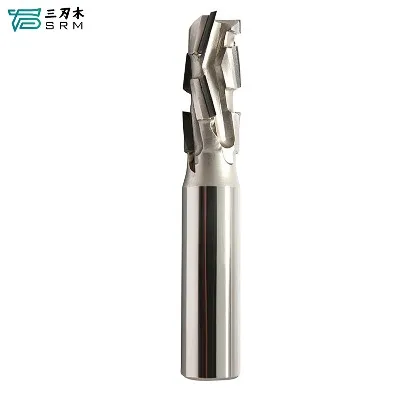
Disposable Carbide Blade Tenon Milling Cutter: These cutterheads are designed for tenon milling and feature disposable carbide blades. To store them, make sure to keep the blades in a separate container to prevent them from getting damaged. You can also use a blade holder or a storage case to keep the blades organized. Disposable Carbide Blade Tenon Milling Cutter
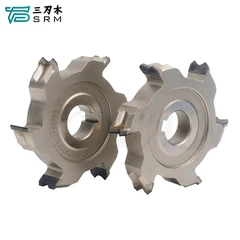
Degree Locking Miter Cutter Heads: These cutterheads are used for miter cutting and feature a degree locking mechanism. To store them, make sure to keep the locking mechanism clean and lubricated. You can also use a storage case or a toolbox to protect the cutterhead from damage. Degree Locking Miter Cutter Heads
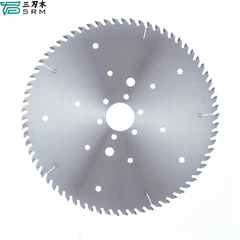
Trimming Cutterhead: These cutterheads are used for trimming and edging wood. To store them, make sure to keep the blades sharp and clean. You can also use a blade sharpener or a honing stone to maintain the cutting edge. Trimming Cutterhead
In conclusion, proper storage of planer cutterheads is essential for maintaining their performance and extending their lifespan. By keeping them clean, dry, and protected, you can ensure that they are ready to use whenever you need them. If you have any questions or need more information about storing planer cutterheads, feel free to reach out to us. We're here to help you get the most out of your woodworking tools.
If you're interested in purchasing planer cutterheads or have any other woodworking tool needs, don't hesitate to contact us for a consultation. We offer a wide range of high-quality cutterheads and can help you find the right one for your specific requirements. Let's start a conversation and see how we can assist you in your woodworking projects.


References:
- Woodworking Tool Handbook
- Manufacturer's Instructions for Planer Cutterheads