








Are there any special techniques for using a Forstner drill bit on curved surfaces? That's a question I get asked a lot as a Forstner Drill Bit supplier. And let me tell you, it's a tricky one, but with the right know - how, you can get great results.
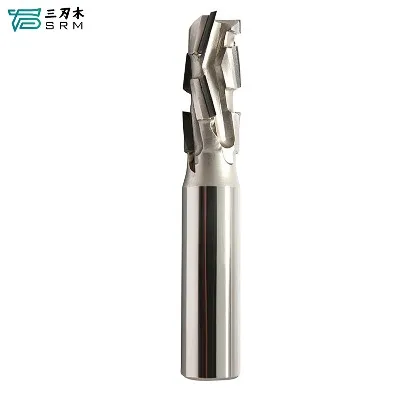
First off, let's talk a bit about what a Forstner drill bit is. A Forstner Drill Bit (check it out here: Forstner Drill Bit) is a type of drill bit that's designed to cut flat - bottomed holes. It's different from a regular twist drill bit, which usually leaves a conical bottom in the hole. The Forstner bit has a sharp outer edge and a center point, which helps it cut cleanly and precisely.
Now, when it comes to using a Forstner drill bit on curved surfaces, things get a bit more complicated. The main challenge is keeping the bit stable and centered while drilling. Unlike flat surfaces, curved surfaces don't provide a flat and stable base for the drill bit to start on.
One of the first techniques I recommend is using a template. You can create a template out of a piece of plywood or MDF. Cut the template to match the curve of the surface you're drilling into. Then, drill a guide hole in the template. This guide hole will help keep the Forstner drill bit centered as you start drilling into the curved surface. It's like having a little helper to make sure your hole is in the right place.
Another important thing is to use the right speed. Forstner drill bits work best at a relatively slow speed. If you go too fast, the bit can overheat, which can dull the cutting edges and cause the bit to wear out quickly. On the other hand, if you go too slow, the bit might not cut effectively. A good rule of thumb is to start with a speed of around 500 - 1000 RPM, but you might need to adjust this depending on the material you're drilling and the size of the bit.
When you're actually drilling, it's crucial to apply steady pressure. Don't push too hard, as this can cause the bit to wander or even break. Instead, let the bit do the work. Apply just enough pressure to keep the bit cutting, but not so much that you're forcing it.
Now, let's talk about some specific situations. If you're drilling a blind dowel hole on a curved surface, you'll want to use a Blind Dowel Hole Drill Bit (find it here: Blind Dowel Hole Drill Bit). These bits are designed to create holes that are deep enough to insert dowels but not go all the way through the material. When using this type of bit on a curved surface, the same principles apply. Use a template, control the speed, and apply steady pressure.
If you need to countersink a hole on a curved surface, a Countersink Drill Bit (check it out here: Countersink Drill Bit) is your go - to. Countersinking is the process of creating a conical depression in the surface so that the head of a screw sits flush with the surface. On a curved surface, it can be a bit tricky to get the countersink to look right. You might need to make multiple passes with the bit, adjusting the angle slightly each time to match the curve.
One more tip is to use lubrication. Applying a little bit of cutting oil or lubricant to the drill bit can help reduce friction and heat. This not only extends the life of the bit but also makes the drilling process smoother. You can use a spray - on lubricant or apply it with a brush.
It's also a good idea to practice on a scrap piece of material that has a similar curve to the one you're working on. This way, you can get a feel for how the bit behaves and make any necessary adjustments before you start working on your actual project.
In addition to these techniques, the quality of the Forstner drill bit matters a lot. A high - quality bit will be made of better materials and have sharper cutting edges. This means it will cut more cleanly and last longer. As a supplier, I've seen firsthand the difference that a good bit can make.
So, to sum it up, using a Forstner drill bit on curved surfaces requires some special techniques. Using a template, controlling the speed, applying steady pressure, using the right type of bit for the job, and using lubrication are all key. With a bit of practice and the right approach, you can achieve professional - looking results.
If you're in the market for high - quality Forstner drill bits, blind dowel hole drill bits, or countersink drill bits, I'd love to have a chat with you. Whether you're a professional woodworker or a DIY enthusiast, we've got the right products for your needs. Reach out to us to start a conversation about your requirements and let's see how we can help you with your next project.


References
- Woodworking magazines and online forums
- Manufacturer's guides for Forstner drill bits


