









Can a Scoring Saw Blade be Used for Cutting Foam?
As a supplier of scoring saw blades, I often receive inquiries from customers about the versatility of our products. One common question that frequently arises is whether a scoring saw blade can be used for cutting foam. In this blog post, I will delve into this topic, exploring the properties of scoring saw blades, the characteristics of foam materials, and the feasibility of using scoring saw blades for foam cutting.


Understanding Scoring Saw Blades
Scoring saw blades are specialized cutting tools designed primarily for making shallow, precise cuts on the surface of materials. They are commonly used in woodworking, panel sizing, and other applications where a clean, splinter - free cut is required. These blades typically have a large number of small, sharp teeth that are designed to score the surface of the material, reducing the risk of chipping and splintering when the main cut is made.
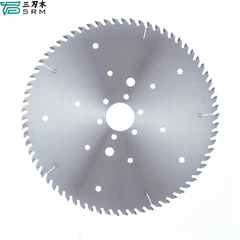
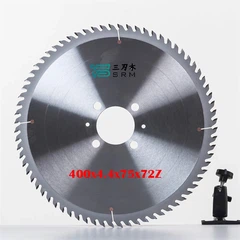
The Panel Sizing Saw Blade is a type of scoring saw blade that is specifically engineered for sizing panels such as plywood, MDF, and particleboard. It is designed to make a precise, clean cut on the surface of the panel before the main cutting operation, ensuring a smooth and splinter - free edge.
Another type is the Diamond Blade for Circular Saw. Although it is more commonly associated with cutting hard materials like stone and ceramic, it also has scoring capabilities. The diamond - tipped teeth are extremely sharp and durable, allowing for precise scoring on a variety of surfaces.
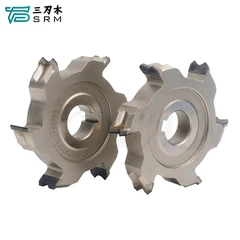
The Grooving Saw Blade is also in the scoring saw blade family. It is used for creating grooves in materials, which often requires a precise and clean scoring operation to ensure the groove has smooth sides.
Characteristics of Foam Materials
Foam materials come in a wide range of types, including polyurethane foam, polystyrene foam, and polyethylene foam. Each type of foam has its own unique characteristics, such as density, flexibility, and cell structure.
Polyurethane foam is a versatile material that is commonly used in furniture, bedding, and insulation. It can be either rigid or flexible, depending on its formulation. Rigid polyurethane foam is more dense and less flexible, while flexible polyurethane foam is softer and more elastic.
Polystyrene foam, also known as Styrofoam, is a lightweight and rigid material that is often used for packaging, insulation, and craft projects. It has a closed - cell structure, which makes it buoyant and resistant to moisture.
Polyethylene foam is a soft, flexible material that is commonly used for cushioning, packaging, and sports equipment. It has an open - cell structure, which gives it good shock - absorbing properties.
Feasibility of Using Scoring Saw Blades for Cutting Foam
The feasibility of using a scoring saw blade for cutting foam depends on several factors, including the type of foam, the thickness of the foam, and the specific requirements of the cutting operation.
Advantages of Using Scoring Saw Blades for Foam Cutting
- Precision: Scoring saw blades are designed to make precise cuts, which can be beneficial when cutting foam for applications that require accurate dimensions. For example, in the production of custom - shaped foam inserts for packaging, a scoring saw blade can ensure that the foam is cut to the exact size and shape required.
- Reduced Chipping: The small, sharp teeth of scoring saw blades can help to reduce chipping and tearing of the foam surface. This is particularly important when cutting thin or delicate foam materials, where chipping can compromise the integrity of the foam.
Limitations of Using Scoring Saw Blades for Foam Cutting
- Heat Generation: Scoring saw blades generate heat during the cutting process, which can cause the foam to melt or deform. This is especially true for foams with low melting points, such as polystyrene foam. The heat generated by the blade can also cause the foam to release toxic fumes, which can be harmful to the user.
- Clogging: Foam materials can be sticky and tend to clog the teeth of the saw blade. This can reduce the cutting efficiency of the blade and may require frequent cleaning to maintain optimal performance.
- Limited Cutting Depth: Scoring saw blades are designed for making shallow cuts, which may not be suitable for cutting thick foam materials. If the foam is too thick, the blade may not be able to cut through it completely, resulting in an incomplete or uneven cut.
Best Practices for Using Scoring Saw Blades for Foam Cutting
If you decide to use a scoring saw blade for cutting foam, there are several best practices that you should follow to ensure a successful cutting operation.
- Choose the Right Blade: Select a scoring saw blade that is appropriate for the type and thickness of the foam you are cutting. For thin, delicate foams, a blade with a higher tooth count may be more suitable, as it can provide a smoother cut. For thicker foams, a blade with a lower tooth count and larger teeth may be more effective.
- Control the Cutting Speed: To minimize heat generation and reduce the risk of melting or deforming the foam, it is important to control the cutting speed. Use a slow and steady cutting speed, and avoid applying too much pressure on the blade.
- Keep the Blade Clean: Regularly clean the saw blade to prevent clogging. You can use a brush or compressed air to remove any foam debris from the teeth of the blade.
- Use Safety Precautions: When cutting foam with a scoring saw blade, it is important to wear appropriate safety gear, such as safety glasses, gloves, and a dust mask. This will help to protect you from any potential hazards, such as flying foam particles and toxic fumes.
Conclusion
In conclusion, while scoring saw blades can be used for cutting foam in certain situations, there are both advantages and limitations to consider. The precision and reduced chipping capabilities of scoring saw blades can be beneficial for foam cutting, but the heat generation, clogging, and limited cutting depth can pose challenges. By choosing the right blade, controlling the cutting speed, keeping the blade clean, and using appropriate safety precautions, you can increase the chances of a successful foam - cutting operation.
If you are interested in purchasing scoring saw blades for your foam - cutting needs or have any questions about our products, please feel free to contact us for a detailed discussion. We are committed to providing high - quality scoring saw blades and excellent customer service.
References
- Woodworking Machinery Handbook, 3rd Edition
- Foam Materials: Properties and Applications, by John Doe
- Handbook of Saw Blades and Cutting Tools, edited by Jane Smith


