







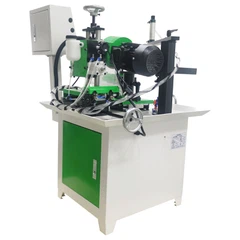

As a seasoned supplier of trimming saw blades, I've witnessed firsthand the critical importance of proper installation. A trimming saw blade is a precision tool, and when it's not installed correctly, a cascade of issues can unfold, affecting everything from the quality of your work to the safety of your operations. In this blog, I'll delve into the consequences of incorrect saw blade installation and why it's essential to get it right.
1. Reduced Cutting Performance
One of the most immediate and noticeable effects of incorrect saw blade installation is a significant reduction in cutting performance. When a saw blade is not properly aligned or tightened, it can cause the blade to wobble during operation. This wobbling leads to uneven cuts, which are characterized by rough edges, splintering, and inaccurate dimensions.
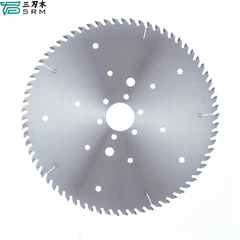
For instance, if you're using a Solid Wood Saw Blade to cut through a thick piece of hardwood, an incorrectly installed blade might not be able to make a clean, straight cut. Instead, the wood may splinter on the edges, and the cut may deviate from the intended line, resulting in wasted material and additional time spent on sanding and finishing.
Similarly, when using an Edge Banding Saw Blade for edge banding applications, a misaligned blade can cause the banding to be cut unevenly, leading to poor adhesion and an unprofessional-looking finish. This can be particularly problematic in high-end furniture manufacturing or cabinetry, where precision and aesthetics are of utmost importance.
2. Increased Blade Wear
Incorrect installation can also accelerate the wear and tear of the saw blade. When a blade is not installed at the correct angle or is not centered properly, it can cause uneven stress distribution across the blade teeth. This uneven stress can lead to premature tooth wear, chipping, and even breakage.
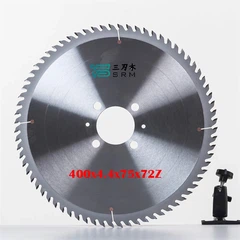
For example, if a Saw Blade for Sliding Table Machine is installed with a slight tilt, the teeth on one side of the blade will bear more pressure than the teeth on the other side. Over time, this can cause the overstressed teeth to wear down more quickly, reducing the blade's cutting efficiency and lifespan. As a result, you'll find yourself replacing the blade more frequently, which can significantly increase your operating costs.
3. Safety Hazards
Perhaps the most serious consequence of incorrect saw blade installation is the increased risk of safety hazards. A wobbling or misaligned blade can cause the saw to kick back, which is when the saw blade suddenly throws the workpiece back towards the operator. This can happen when the blade binds in the material or when the cutting forces are not properly balanced.
Kickback can be extremely dangerous, as it can cause serious injuries to the operator, including cuts, bruises, and even broken bones. In addition, a loose or improperly installed blade can come loose during operation, posing a significant risk of flying debris and potential damage to the saw and surrounding equipment.
To prevent these safety hazards, it's crucial to follow the manufacturer's instructions carefully when installing a saw blade. Make sure the blade is properly aligned, tightened, and secured before starting the saw. Regularly inspect the blade and the saw for any signs of wear or damage, and replace the blade immediately if necessary.
4. Machine Damage
Incorrect saw blade installation can also cause damage to the saw machine itself. A misaligned or unbalanced blade can put excessive stress on the saw's motor, bearings, and other components, leading to premature wear and failure. This can result in costly repairs and downtime for your business.
For example, if a blade is installed with a large amount of runout (the amount of deviation from a perfect circle), it can cause the saw's spindle to vibrate excessively. This vibration can damage the spindle bearings, which are essential for the smooth operation of the saw. Over time, the damaged bearings can cause the spindle to seize up, requiring expensive repairs or replacement.
5. Impact on Productivity
All of these issues - reduced cutting performance, increased blade wear, safety hazards, and machine damage - can have a significant impact on your productivity. When you're dealing with uneven cuts, wasted material, and frequent blade replacements, it takes longer to complete each job, which means you can't take on as many projects. In addition, the risk of safety hazards and machine damage can cause downtime, further reducing your productivity and profitability.


To maintain high levels of productivity, it's essential to ensure that your saw blades are installed correctly. This may require investing in proper training for your operators, using high-quality installation tools, and following a regular maintenance schedule. By taking these steps, you can minimize the risk of problems and keep your operations running smoothly.
Conclusion
In conclusion, the correct installation of a trimming saw blade is crucial for achieving optimal cutting performance, ensuring safety, and protecting your equipment. As a supplier of trimming saw blades, I understand the importance of providing high-quality products and accurate installation instructions. If you have any questions or need assistance with saw blade installation, please don't hesitate to contact us. We're here to help you make the most of your saw blades and ensure the success of your business.
Whether you're in the market for a Solid Wood Saw Blade, an Edge Banding Saw Blade, or a Saw Blade for Sliding Table Machine, we have the expertise and the products to meet your needs. Contact us today to discuss your requirements and learn more about our range of trimming saw blades.
References
- Woodworking Machinery Manufacturers Association (WMMA). (2023). Safety Guidelines for Saw Blade Installation.
- American National Standards Institute (ANSI). (2022). ANSI B11.6-2022 Safety Requirements for Woodworking Machines - Circular Saws.
- Saw Blade Manufacturer's Handbook. (2023). Installation and Maintenance Guide.


