







Can a solid wood saw blade be used for cross - cutting?
Hey there! I'm a supplier of solid wood saw blades, and I get this question a lot: Can a solid wood saw blade be used for cross - cutting? Well, let's dive right into it.
First off, what is cross - cutting? Cross - cutting is the process of cutting wood perpendicular to the grain. It's different from ripping, which is cutting along the grain. When it comes to using a solid wood saw blade for cross - cutting, the answer is generally yes, but there are some important factors to consider.
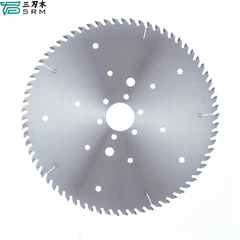
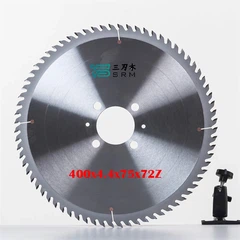
One of the key things to look at is the tooth design of the saw blade. For cross - cutting, you want a saw blade with a tooth design that is optimized for this type of cut. A blade with a fine - toothed design is usually better for cross - cutting. Fine teeth can make cleaner cuts through the wood fibers when cutting across the grain. They can reduce the amount of tear - out, which is when the wood fibers break unevenly at the edges of the cut. This results in a smoother and more professional - looking finish.
On the other hand, if the saw blade has teeth that are too large or too aggressive, it might cause more tear - out during cross - cutting. For example, a blade designed mainly for ripping, which has larger teeth for quickly removing material along the grain, may not work as well for cross - cutting. The large teeth can catch on the wood fibers and cause rough edges.
Another factor is the speed of the saw. When using a solid wood saw blade for cross - cutting, the speed of the saw matters. You need to ensure that the saw is running at an appropriate speed. If the saw is running too fast, it can generate excessive heat, which can damage the saw blade and the wood. On the other hand, if the speed is too slow, the cut may not be clean, and you might end up with a rough finish.
The quality of the solid wood saw blade also plays a crucial role. A high - quality blade is more likely to perform well during cross - cutting. It will have better - made teeth that are sharp and durable. Cheaper blades may wear out quickly, and their teeth may not be as precisely ground, leading to poor cutting results.
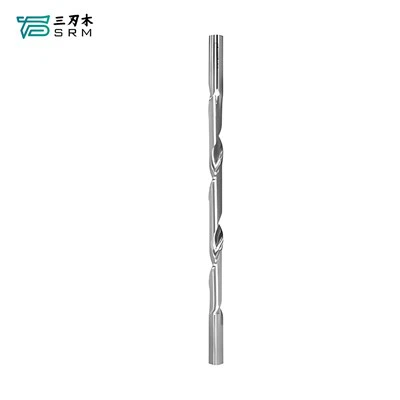
Now, let's talk about some of the specific types of saw blades we offer. We have a great selection of Frame Saw Blade. These blades are designed with precision and are suitable for a variety of cutting tasks, including cross - cutting. They have a unique tooth configuration that helps in making clean and accurate cross - cuts.
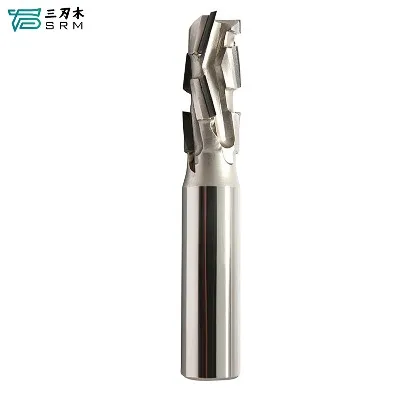
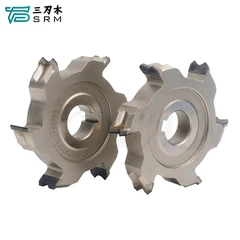
Our Hogging Cutter for Double End Tenoner is another option. Although it's more focused on certain industrial applications, it can also be used for cross - cutting in some cases. It's built to handle tough cutting jobs and can provide efficient cross - cutting results when used correctly.
And if you're dealing with acrylic materials along with solid wood, our Saw Blade for Acrylic can be a great choice. It can be used for cross - cutting acrylic as well as solid wood, offering versatility in your cutting operations.
When using a solid wood saw blade for cross - cutting, it's also important to take safety precautions. Make sure you're wearing appropriate safety gear, such as safety glasses and ear protection. Keep your hands away from the blade, and follow the manufacturer's instructions for operating the saw.
In addition to the technical aspects, the type of wood you're cutting also affects the cross - cutting performance. Different woods have different densities and grain patterns. For example, softwoods like pine are generally easier to cross - cut compared to hardwoods like oak. Hardwoods have denser fibers, which can make the cutting process more challenging. You may need to adjust the speed and feed rate of the saw when cutting different types of wood.
If you're new to using a solid wood saw blade for cross - cutting, it's a good idea to practice on some scrap wood first. This way, you can get a feel for how the blade performs and make any necessary adjustments. You can also experiment with different speeds and feed rates to find the optimal settings for the type of wood you're working with.
As a solid wood saw blade supplier, I can tell you that choosing the right blade for cross - cutting is essential. You want a blade that will give you the best results in terms of cut quality and efficiency. Our blades are designed to meet the needs of both professional woodworkers and DIY enthusiasts.
We understand that every cutting job is different, and we're here to help you find the perfect saw blade for your cross - cutting needs. Whether you're working on a small home project or a large - scale industrial job, we have the right blade for you.
If you're interested in purchasing our solid wood saw blades or have any questions about cross - cutting or our products, don't hesitate to get in touch. We're always happy to assist you in making the right choice for your cutting requirements. You can reach out to us to start a conversation about your needs and find the best saw blade solution for you.


References
- Woodworking Machinery Handbook: This handbook provides in - depth information on various woodworking tools and techniques, including saw blade usage for different types of cuts.
- Industry research on saw blade performance in cross - cutting applications, which has been conducted by leading woodworking associations and manufacturers.