








Can a Spiral Down Cut Bit be used for making spiral staircases (in model - making)?
Hey there, fellow model - making enthusiasts! I'm a supplier of Spiral Down Cut Bits, and today I want to dive into the question of whether these bits can be used for making spiral staircases in model - making.
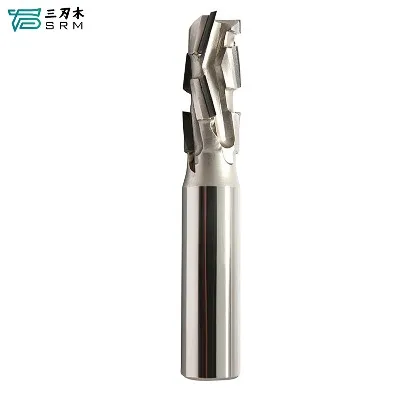
First off, let's talk a bit about what a Spiral Down Cut Bit is. These bits are designed with a spiral flute that cuts downward as it rotates. This downward cutting action has some unique advantages. It helps to keep the material firmly in place on the work surface, reducing the chances of the workpiece lifting or moving during the cutting process.
When it comes to model - making, especially for creating spiral staircases, precision is key. Spiral staircases are intricate structures that require accurate cuts and smooth finishes. So, can a Spiral Down Cut Bit deliver on these requirements?
One of the main benefits of using a Spiral Down Cut Bit for making spiral staircases in model - making is the clean cut it provides. The downward cutting action helps to prevent chipping and tear - out on the top surface of the material. This is crucial when you're working with delicate model - making materials like balsa wood, basswood, or even acrylic. For example, if you're using acrylic for your model staircase, a Spiral Down Cut Bit can give you a smooth, polished edge. You can check out our Acrylic Router Bits which are great for working with acrylic materials.
Another advantage is the control it offers. When you're creating the spiral shape of the staircase, you need to be able to guide the bit precisely along the curve. The downward cutting action of the Spiral Down Cut Bit gives you better control over the cutting process, allowing you to make more accurate and consistent cuts. This is especially important when you're working on small - scale models where even the slightest deviation can be noticeable.
However, there are also some considerations to keep in mind. One of the potential drawbacks is that the downward cutting action can sometimes cause the chips to be pushed into the material, especially if the feed rate is too slow. This can lead to a rough finish on the bottom surface of the cut. To avoid this, it's important to set the appropriate feed rate and spindle speed for the material you're using.
Also, depending on the complexity of the spiral staircase design, you might need to make multiple passes with the bit. This is because the bit has a limited cutting depth, and trying to cut too deep in one pass can cause the bit to overheat or break. So, patience and careful planning are essential.
Now, let's compare Spiral Down Cut Bits with Spiral Up Cut Bits. Spiral Up Cut Bits have an upward cutting action. They are great for quickly removing material and are often used for roughing cuts. But when it comes to the final finish of a model staircase, Spiral Down Cut Bits usually have the edge. The upward cutting action of Spiral Up Cut Bits can cause more chipping on the top surface of the material, which is not ideal for a high - quality model.


In some cases, you might even use both types of bits in combination. You could start with a Spiral Up Cut Bit for the rough shaping of the staircase and then switch to a Spiral Down Cut Bit for the final finishing touches.
If you're working with neon strips in your model - making project, you might also be interested in our Milling Bit for Neon Strip. These bits are specifically designed to work with the unique properties of neon strips and can help you create precise cuts for a more professional - looking model.
So, in conclusion, a Spiral Down Cut Bit can definitely be used for making spiral staircases in model - making. It offers clean cuts, good control, and is suitable for a variety of materials. However, you need to be aware of its limitations and use it correctly to get the best results.
If you're interested in purchasing Spiral Down Cut Bits or any of our other router bits, feel free to reach out for a procurement discussion. We're here to help you find the right tools for your model - making projects and ensure that you get the best quality and performance.
References
- Woodworking and Model - Making Handbook: A comprehensive guide on various tools and techniques in the field.
- Router Bit Manufacturer's Manuals: Provide detailed information on the specifications and usage of different types of router bits.


