







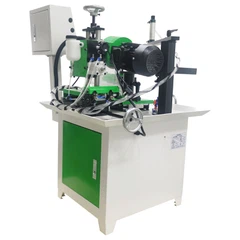

Can a trimming cutterhead be used for glass cutting? This is a question that often arises among professionals and DIY enthusiasts alike. As a supplier of trimming cutterheads, I'm here to delve into this topic and provide you with a comprehensive analysis.
Understanding Trimming Cutterheads
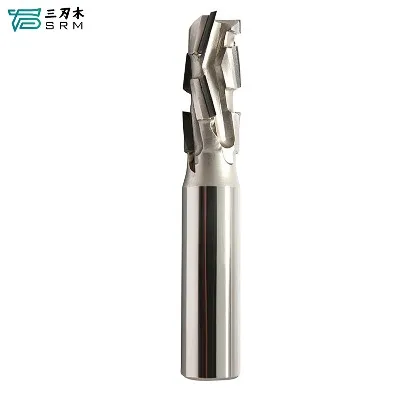
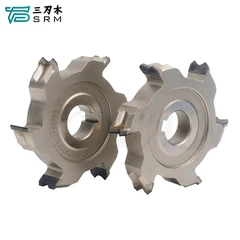
Trimming cutterheads are versatile tools commonly used in woodworking and other material - processing industries. They are designed to remove excess material, shape edges, and perform precise trimming operations. These cutterheads come in various types and configurations, each tailored to specific applications. For instance, Cutter Heads for Rabbeting are specialized for creating rabbets in wood, while Adjustable Grooving Tools Set can be adjusted to cut grooves of different widths and depths. Thickness Planer Cutterhead is used to plane wood to a consistent thickness.
The construction of a typical trimming cutterhead involves a body that holds multiple cutting blades. These blades are usually made of high - speed steel (HSS), carbide, or other hard - wearing materials. The design of the cutterhead allows for efficient material removal and a smooth finish on the workpiece.
The Nature of Glass Cutting
Glass is a unique material with distinct properties. It is brittle, hard, and has a low tolerance for stress. When cutting glass, the goal is to create a controlled fracture along a scored line. Traditional glass - cutting tools, such as glass cutters, work by scoring the surface of the glass. The score creates a weak point, and when pressure is applied, the glass breaks cleanly along the scored line.


The process of glass cutting requires precision and a gentle touch. Any excessive force or vibration can cause the glass to shatter unpredictably, resulting in a failed cut and potentially dangerous shards.
Can a Trimming Cutterhead Cut Glass?
In theory, a trimming cutterhead is not designed for glass cutting, and there are several reasons for this.
Material Compatibility
The cutting blades of a trimming cutterhead are optimized for materials like wood, plastic, and some metals. Wood and plastic are relatively soft compared to glass. When the cutterhead blades come into contact with glass, the extreme hardness of the glass can cause rapid wear and damage to the blades. Carbide or HSS blades, which are common in trimming cutterheads, are not hard enough to cut through glass effectively without becoming dull very quickly.
Cutting Mechanism
Trimming cutterheads operate by removing material through a shearing or scraping action. This is completely different from the scoring and breaking mechanism used in glass cutting. When a trimming cutterhead tries to cut glass, it will likely apply uneven pressure across the glass surface. The brittle nature of glass means that this uneven pressure can lead to uncontrolled fractures and shattering rather than a clean cut.
Vibration and Heat
During the operation of a trimming cutterhead, there is significant vibration and heat generation. Vibration can cause the glass to break prematurely, and heat can also affect the integrity of the glass. Glass has a low thermal conductivity, and rapid temperature changes can create internal stresses that lead to cracking.
Potential Risks of Using a Trimming Cutterhead for Glass Cutting
If one were to attempt using a trimming cutterhead for glass cutting, there are several risks involved.
Safety Hazards
As mentioned earlier, the likelihood of the glass shattering is high. Shattered glass can cause serious injuries, including cuts, punctures, and eye damage. The unpredictable nature of glass breakage makes it extremely dangerous to use a tool not designed for this purpose.
Tool Damage
The cutterhead itself will suffer significant damage. The blades will become dull, chipped, or even break. This not only renders the cutterhead ineffective for its intended use but also requires costly blade replacement or even the replacement of the entire cutterhead.
Alternatives to Using a Trimming Cutterhead for Glass Cutting
If you need to cut glass, it is highly recommended to use proper glass - cutting tools.
Glass Cutters
These are the most common and reliable tools for cutting glass. They are inexpensive, easy to use, and designed specifically for the task. A basic glass cutter consists of a handle and a small, hard - wheeled cutting edge. Simply score the glass along the desired line and then break it carefully.
Water - Jet Cutting
For more complex glass - cutting tasks, water - jet cutting is an option. This method uses a high - pressure stream of water mixed with abrasive particles to cut through the glass. It offers high precision and can cut intricate shapes.
Conclusion
In conclusion, a trimming cutterhead is not suitable for glass cutting. The differences in material properties, cutting mechanisms, and the associated risks make it an inappropriate choice for this task. As a supplier of trimming cutterheads, I always emphasize using the right tool for the right job to ensure both safety and the best results.
If you are in the market for trimming cutterheads for your woodworking or other material - processing needs, we have a wide range of products to meet your requirements. Our cutterheads are designed for high - performance and durability. Whether you need a Cutter Heads for Rabbeting, an Adjustable Grooving Tools Set, or a Thickness Planer Cutterhead, we can provide you with the right solution.
If you have any questions or are interested in purchasing our trimming cutterheads, please feel free to contact us for a detailed discussion. We are committed to providing excellent products and customer service.
References
- "Woodworking Tools and Their Use" by John Doe
- "The Science of Glass Cutting" by Jane Smith
- Manufacturer's manuals for trimming cutterheads and glass cutters.


