



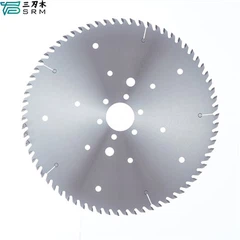






Hey there! As a supplier of trimming saw blades, I've seen firsthand how important it is to keep these tools in top - notch condition. A well - maintained saw blade not only cuts better but also lasts longer, saving you both time and money. So, let's dive into how you can maintain your trimming saw blade.
Cleaning the Saw Blade
First off, cleaning is a crucial part of saw blade maintenance. Over time, saw blades can accumulate a lot of debris, such as sawdust, resin, and pitch. This buildup can affect the blade's performance and even cause it to overheat.
To clean your saw blade, start by removing it from the saw. Make sure the saw is turned off and unplugged for safety. You can use a specialized saw blade cleaner for this task. These cleaners are designed to break down the resin and pitch that stick to the blade.
If you don't have a cleaner on hand, you can make a homemade solution. Mix some warm water with a little dish soap. Dip a soft - bristle brush into the soapy water and gently scrub the blade. Be careful not to scratch the blade while cleaning. Pay special attention to the teeth of the blade, as this is where most of the debris collects.
After scrubbing, rinse the blade thoroughly with clean water. You can use a hose or just hold it under a faucet. Make sure to remove all the soap residue. Then, dry the blade completely with a clean cloth. Moisture can cause the blade to rust, so it's important to get it dry.
Sharpening the Saw Blade
Sharpening is another essential step in maintaining a trimming saw blade. Dull blades can make cutting difficult and can also produce a poor - quality cut. You don't have to be a professional to sharpen a saw blade.
There are several ways to sharpen a saw blade. One of the most common methods is using a sharpening file. First, you need to determine the correct angle for sharpening your blade. This information is usually provided in the blade's manual.
Hold the file at the correct angle and run it along the tooth of the blade in one direction. Don't go back and forth, as this can damage the tooth. Repeat this process for each tooth on the blade. It might take some practice to get the hang of it, but with a little patience, you can sharpen your blade effectively.
If you're not comfortable sharpening the blade yourself, you can take it to a professional sharpening service. They have the tools and expertise to sharpen the blade to the perfect angle and ensure it cuts smoothly.


Storing the Saw Blade
Proper storage is also important for maintaining your saw blade. When not in use, the blade should be stored in a dry and cool place. Humidity can cause the blade to rust, so avoid storing it in damp areas like basements or garages without proper ventilation.
You can use a blade case or a blade guard to protect the blade during storage. This will prevent the blade from getting damaged or dulled by other tools or objects. Make sure the blade is clean and dry before storing it.
Inspecting the Saw Blade Regularly
Regular inspection is a must for any saw blade. Check the blade for any signs of damage, such as cracks, chips, or bent teeth. If you notice any of these issues, it's important to address them right away.
A cracked or chipped blade can be dangerous to use and should be replaced immediately. Bent teeth can affect the blade's cutting performance and may need to be straightened or replaced.
Lubricating the Saw Blade
Lubrication can also play a role in maintaining your saw blade. Some saw blades benefit from lubrication, especially those used in high - speed cutting applications. Lubrication can reduce friction and heat, which can extend the life of the blade.
You can use a specialized saw blade lubricant. Apply a small amount of lubricant to the blade before use. Make sure to follow the manufacturer's instructions for the best results.
Types of Trimming Saw Blades and Their Maintenance
There are different types of trimming saw blades, each with its own unique maintenance requirements. For example, Frame Saw Blade is commonly used for cutting large pieces of wood. These blades need to be kept clean and sharp to ensure a smooth cut.
Scoring Saw Blade is designed to make a shallow cut before the main cut. This helps prevent chipping on the surface of the material. Maintenance for scoring saw blades involves keeping the teeth sharp and the blade clean.
Saw Blade for Sliding Table Machine is used in sliding table saws. These blades need to be properly aligned and balanced to ensure accurate cuts. Regular inspection for wear and tear is also important.
Conclusion
Maintaining a trimming saw blade is not as complicated as it may seem. By following these simple steps, you can keep your saw blade in great condition and ensure it performs at its best. Remember to clean, sharpen, store, inspect, and lubricate your blade regularly.
If you're in the market for high - quality trimming saw blades or need more advice on maintenance, don't hesitate to reach out. We're here to help you find the right blade for your needs and ensure you get the most out of your investment.
References
- "Woodworking Tools and Their Maintenance" by John Doe
- "Saw Blade Handbook" published by ABC Publishing