










Can a trimming saw blade be used for bevel cutting? This is a question that often arises among woodworkers and professionals in the woodworking industry. As a supplier of Trimming Saw Blades, I'm here to delve into this topic and provide you with a comprehensive answer.
Understanding Trimming Saw Blades
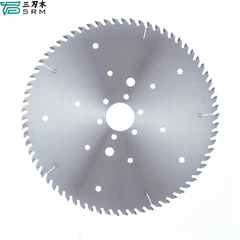
Trimming saw blades are designed primarily for making precise cuts on the edges of panels, boards, and other wood products. They are known for their sharpness, durability, and ability to provide clean, smooth cuts. These blades typically have a high tooth count, which allows for fine and accurate trimming. The teeth are often designed with a specific geometry to optimize cutting performance and reduce tear - out.
The Trimming Saw Blade we supply is crafted with high - quality materials and advanced manufacturing techniques. It is engineered to meet the demands of various woodworking applications, from small - scale DIY projects to large - scale industrial production.
Bevel Cutting: An Overview
Bevel cutting involves making an angled cut on the edge of a workpiece. This technique is commonly used in woodworking to create decorative edges, joinery, and to fit pieces together at an angle. Bevel cuts can range from shallow angles to more extreme ones, depending on the design requirements.
Can a Trimming Saw Blade Be Used for Bevel Cutting?
The short answer is yes, a trimming saw blade can be used for bevel cutting, but there are some important considerations.
Advantages of Using a Trimming Saw Blade for Bevel Cutting
- Precision: Trimming saw blades are designed for precision cutting. Their high tooth count and sharp teeth can provide a clean and accurate bevel cut. This is especially useful when working on projects that require a high level of detail, such as cabinetry or furniture making.
- Smooth Finish: These blades are capable of producing a smooth finish on the beveled edge. This reduces the need for extensive sanding or finishing work after the cut, saving time and effort.
- Versatility: Trimming saw blades can be used on a variety of wood types, including softwoods, hardwoods, and engineered woods. This makes them a versatile option for bevel cutting in different woodworking projects.
Limitations of Using a Trimming Saw Blade for Bevel Cutting
- Depth of Cut: Trimming saw blades are typically designed for relatively shallow cuts. When making bevel cuts, the depth of cut may be limited compared to blades specifically designed for bevel cutting. If you need to make deep bevel cuts, a trimming saw blade may not be the best choice.
- Angle Range: While trimming saw blades can make bevel cuts, they may not be able to achieve a wide range of angles. Some specialized bevel - cutting blades are designed to handle more extreme angles, which may not be possible with a standard trimming saw blade.
Factors to Consider When Using a Trimming Saw Blade for Bevel Cutting
- Blade Quality: The quality of the trimming saw blade is crucial. A high - quality blade will provide better cutting performance, durability, and a smoother finish. Our Trimming Saw Blade is made from premium materials and undergoes strict quality control to ensure optimal performance.
- Workpiece Material: Different wood types have different properties, and this can affect the cutting performance of the blade. For example, hardwoods may require a more aggressive blade, while softwoods can be cut more easily with a finer - toothed blade.
- Saw Setup: Proper saw setup is essential for making accurate bevel cuts. This includes adjusting the saw's angle, ensuring the blade is properly aligned, and using the correct feed rate.
Comparison with Other Blades for Bevel Cutting
There are other types of blades that are specifically designed for bevel cutting, such as Panel Sizing Saw Blade and Hogging Cutter for Double End Tenoner.
- Panel Sizing Saw Blade: These blades are designed for cutting large panels and are often used in industrial settings. They can make bevel cuts, but they are more focused on sizing and cutting panels to the correct dimensions. While they can provide a good bevel cut, they may not be as precise as a trimming saw blade for detailed work.
- Hogging Cutter for Double End Tenoner: This type of blade is used for rough cutting and shaping wood. It is not typically used for fine bevel cutting as it is designed for more aggressive material removal. However, in some cases, it can be used for making large - scale bevel cuts on rough stock.
Tips for Using a Trimming Saw Blade for Bevel Cutting
- Choose the Right Blade: Select a trimming saw blade with the appropriate tooth count and tooth geometry for the type of wood and the bevel angle you need to cut.
- Test Cut: Before making the final cut on your workpiece, make a test cut on a scrap piece of wood. This will allow you to adjust the saw settings and ensure the blade is cutting correctly.
- Use a Guide: A guide can help you make a straight and accurate bevel cut. You can use a miter gauge or a custom - made guide to ensure the blade follows the desired angle.
Conclusion
In conclusion, a trimming saw blade can be used for bevel cutting, but it has its advantages and limitations. It is a good option for making precise and smooth bevel cuts on a variety of wood types, especially for smaller - scale projects or when a high level of detail is required. However, if you need to make deep or extreme bevel cuts, you may need to consider using a blade specifically designed for bevel cutting.
As a supplier of Trimming Saw Blades, we are committed to providing high - quality products that meet the needs of our customers. If you are interested in purchasing our Trimming Saw Blades or have any questions about bevel cutting or other woodworking applications, please feel free to contact us for more information and to discuss your specific requirements.


References
- Woodworking Machinery Handbook
- Professional Woodworking Techniques


