










How does the tooth geometry of a trimming saw blade impact cutting?
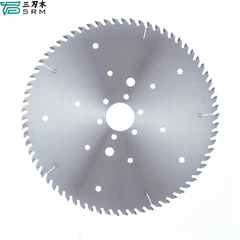
As a supplier of trimming saw blades, I've witnessed firsthand the profound influence that tooth geometry has on the cutting process. Tooth geometry refers to the shape, size, and arrangement of the teeth on a saw blade, and it plays a crucial role in determining the blade's performance, efficiency, and the quality of the cut.
1. Tooth Shape
The shape of the teeth on a trimming saw blade can vary significantly, and each shape is designed to serve a specific purpose. The most common tooth shapes include flat-top grind (FTG), alternate top bevel (ATB), and triple-chip grind (TCG).
- Flat - top grind (FTG): FTG teeth have a flat top surface. They are typically used for ripping cuts, where the saw blade cuts along the grain of the wood. The flat top provides a large cutting surface, which allows for efficient removal of material. However, FTG teeth may not produce the smoothest finish, especially when cutting across the grain.
- Alternate top bevel (ATB): ATB teeth have beveled edges that alternate from one side to the other. This tooth shape is ideal for cross - cutting, as the beveled edges help to shear through the wood fibers cleanly. ATB teeth are commonly used in general - purpose saw blades and can provide a relatively smooth finish on both cross - cuts and rip cuts.
- Triple - chip grind (TCG): TCG teeth have a unique shape with a large center tooth flanked by two smaller teeth on either side. This design is particularly effective for cutting hard materials such as laminates, plastics, and non - ferrous metals. The TCG teeth can withstand high - speed cutting and provide a clean, burr - free cut.
2. Tooth Size
The size of the teeth on a trimming saw blade is another important factor that affects cutting performance. Tooth size is typically measured by the number of teeth per inch (TPI). A blade with a higher TPI has more teeth, which generally results in a smoother cut. However, a higher TPI also means that each tooth removes less material with each pass, which can slow down the cutting process.


- Low TPI (e.g., 10 - 20 TPI): Blades with a low TPI are suitable for rough cuts and ripping operations. They can remove material quickly, but the finish may be rough. These blades are often used in applications where speed is more important than a smooth finish, such as in construction or rough woodworking.
- High TPI (e.g., 60 - 100 TPI): Blades with a high TPI are designed for fine cuts and finishing work. They can produce a very smooth surface, but the cutting speed is slower. High - TPI blades are commonly used in cabinetry, furniture making, and other applications where a high - quality finish is required.
3. Tooth Arrangement
The arrangement of the teeth on a trimming saw blade can also impact cutting performance. There are several different tooth arrangements, including regular, skip, and variable pitch.
- Regular tooth arrangement: In a regular tooth arrangement, the teeth are evenly spaced around the circumference of the blade. This is the most common tooth arrangement and is suitable for a wide range of cutting applications.
- Skip tooth arrangement: A skip tooth arrangement has teeth that are spaced farther apart than in a regular arrangement. This design allows for better chip evacuation, which is important when cutting thick or soft materials. Skip tooth blades are often used for ripping and cross - cutting thick boards.
- Variable pitch tooth arrangement: Variable pitch blades have teeth that are spaced at irregular intervals. This design helps to reduce vibration and noise during cutting, which can improve the overall cutting experience and the quality of the cut. Variable pitch blades are commonly used in high - speed cutting applications.
4. Impact on Cutting Quality
The tooth geometry of a trimming saw blade has a direct impact on the quality of the cut. A blade with the right tooth geometry can produce a clean, smooth, and accurate cut, while a blade with the wrong tooth geometry may result in a rough, splintered, or inaccurate cut.
- Smoothness of the cut: As mentioned earlier, the tooth shape and TPI play a significant role in determining the smoothness of the cut. Blades with a high TPI and a suitable tooth shape, such as ATB or TCG, can produce a very smooth finish. On the other hand, blades with a low TPI and a flat - top grind may produce a rougher finish.
- Accuracy of the cut: The tooth geometry can also affect the accuracy of the cut. A blade with a well - designed tooth arrangement and sharp teeth can cut more precisely, reducing the risk of errors and ensuring that the cut meets the required specifications.
- Reduction of splintering: Tooth geometry can help to reduce splintering, especially when cutting across the grain. Blades with beveled teeth, such as ATB or TCG, can shear through the wood fibers more cleanly, minimizing the risk of splintering.
5. Impact on Cutting Efficiency
In addition to cutting quality, the tooth geometry of a trimming saw blade also affects cutting efficiency. A blade with the right tooth geometry can cut faster, require less effort, and last longer.
- Cutting speed: The tooth shape and TPI can influence the cutting speed. Blades with a low TPI and a flat - top grind can remove material quickly, making them suitable for rough cuts. Blades with a high TPI may cut more slowly but can provide a smoother finish.
- Effort required: The tooth geometry can also affect the amount of effort required to make a cut. A blade with a well - designed tooth arrangement and sharp teeth can cut more easily, reducing the strain on the operator.
- Blade life: The tooth geometry can impact the blade's lifespan. Blades with a suitable tooth shape and TPI can withstand wear and tear better, resulting in a longer blade life.
6. Applications and Tooth Geometry
Different applications require different tooth geometries. Here are some examples of how tooth geometry is tailored to specific applications:
- Woodworking: In woodworking, ATB teeth are commonly used for cross - cutting, while FTG teeth are used for ripping. For fine finishing work, high - TPI blades with ATB or TCG teeth are preferred.
- Plastic cutting: When cutting plastics, TCG teeth are often the best choice. The unique shape of the TCG teeth can cut through plastics cleanly, without melting or chipping the material. You can find suitable Saw Blade for Acrylic for such applications.
- Metal cutting: For cutting non - ferrous metals, TCG teeth are also a popular option. They can provide a clean, burr - free cut and can withstand the high - speed cutting required for metalworking.
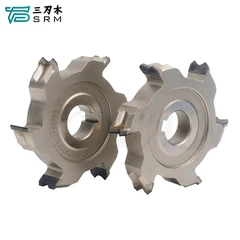
- Grooving: Grooving Saw Blade often have a specific tooth geometry designed to create precise grooves. These blades may have a combination of different tooth shapes and arrangements to ensure accurate and clean grooving.
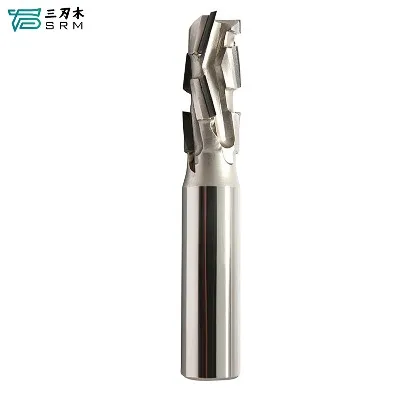
- Tenoning: Hogging Cutter for Double End Tenoner are used in tenoning operations. The tooth geometry of these cutters is optimized for removing large amounts of material quickly and accurately.
Conclusion
In conclusion, the tooth geometry of a trimming saw blade has a significant impact on cutting performance, quality, and efficiency. As a supplier of trimming saw blades, we understand the importance of choosing the right tooth geometry for each application. By considering factors such as tooth shape, size, and arrangement, we can provide our customers with saw blades that meet their specific needs and deliver excellent results.
If you are in the market for high - quality trimming saw blades, we invite you to contact us for a detailed discussion about your requirements. Our team of experts is ready to assist you in selecting the most suitable blade for your application.
References
- Woodworking Machinery and Tools Handbook, various authors
- Saw Blade Technology and Applications, industry research reports


