






Hey there, fellow woodworkers and crafting enthusiasts! I'm super excited to dive into this topic today: Can Spiral Up Cut Bits be used for inlay work? As a supplier of Spiral Up Cut Bits, I've seen firsthand the versatility of these tools, and I'm here to share my insights with you.
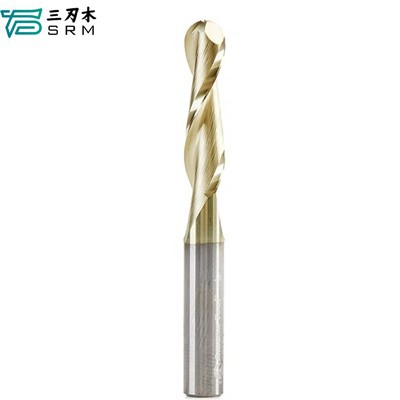
First off, let's talk a bit about what Spiral Up Cut Bits are. These bits are designed with a spiral flute that rotates in an upward direction. This design has some unique advantages. When you're using a Spiral Up Cut Bit, it tends to pull the chips up and out of the cut, which helps keep the cutting area clean. This is a huge plus because it reduces the chances of the chips getting recut, which can lead to a smoother finish on your workpiece.
Now, let's get to the main question: Can they be used for inlay work? The short answer is yes, and here's why. Inlay work involves cutting precise grooves or recesses in a workpiece to insert another material, like wood veneer, shell, or even metal. Spiral Up Cut Bits are great for this because of their ability to make clean, precise cuts.
One of the key aspects of inlay work is accuracy. You need to cut the grooves to the exact depth and width to ensure a perfect fit for the inlay material. Spiral Up Cut Bits are designed to provide consistent and accurate cuts. The upward spiral design helps in maintaining a stable cutting path, which is crucial for creating those clean, straight grooves that are essential for inlay work.


Another advantage of using Spiral Up Cut Bits for inlay work is the quality of the cut. The upward chip evacuation means that the bit is less likely to cause tear - out on the surface of the workpiece. Tear - out can be a real pain in inlay work because it can ruin the look of the final piece. With a Spiral Up Cut Bit, you can achieve a smooth, clean cut that makes the inlay process much easier.
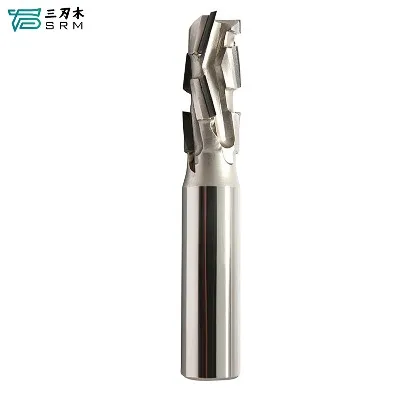
Let's compare Spiral Up Cut Bits with some other types of bits commonly used in woodworking. For example, a Roughing End Mill Cutter is great for removing large amounts of material quickly, but it's not as precise as a Spiral Up Cut Bit. When you're doing inlay work, precision is key, and the Roughing End Mill Cutter might not give you the clean, accurate cuts you need.
On the other hand, a Spiral Milling Cutter is similar to a Spiral Up Cut Bit in some ways, but the direction of the spiral and the cutting action can be different. While a Spiral Milling Cutter can also be used for inlay work, the upward chip evacuation of the Spiral Up Cut Bit gives it an edge when it comes to keeping the cutting area clean.
And then there's the Ball Nose Router Bit. This bit is often used for creating rounded or curved cuts. While it has its uses in woodworking, it's not the best choice for straight - edged inlay work. Spiral Up Cut Bits are much better suited for creating the straight, precise grooves required for most inlay projects.
Now, let's talk about some tips for using Spiral Up Cut Bits in inlay work. First, make sure you're using the right speed and feed rate. If you go too fast, you might cause the bit to overheat or break, and if you go too slow, you might not get a clean cut. It's all about finding that sweet spot.
Also, always use a sharp bit. A dull bit can cause rough cuts, tear - out, and even damage to your workpiece. As a supplier, I recommend regularly checking the condition of your bits and replacing them when they start to show signs of wear.
Another tip is to use a proper router table or fixture. This will help you keep the workpiece stable and ensure that your cuts are straight and accurate. You can also use a fence or guide to help you make parallel cuts, which is important for inlay work.
In conclusion, Spiral Up Cut Bits are definitely a great option for inlay work. Their ability to make clean, precise cuts and evacuate chips effectively makes them a valuable tool in any woodworker's arsenal. Whether you're a professional woodworker or a hobbyist, these bits can help you achieve high - quality inlay work.
If you're interested in purchasing Spiral Up Cut Bits or have any questions about using them for inlay work, don't hesitate to reach out. We're here to help you find the right tools for your projects.
References
- Woodworking Machinery and Tools Handbook
- Inlay Techniques for Woodworkers