






Hey there, fellow woodworking and machining enthusiasts! I'm a supplier of Spiral Down Cut Bits, and today, I'm super excited to dig deep into how the flute shape of these bits affects chip formation. It's a topic that might seem a bit technical at first, but trust me, it's crucial for getting the best results in your projects.
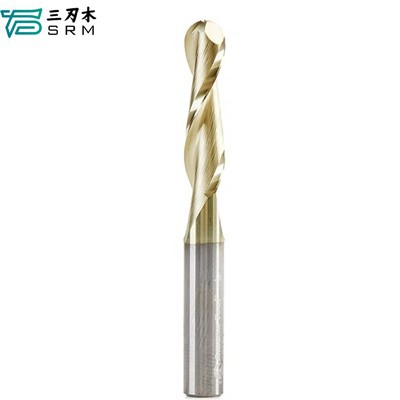
Let's start by understanding what a Spiral Down Cut Bit is. If you're not familiar, you can check out more about it here: Spiral Down Cut Bit. These bits are pretty unique in the world of cutting tools. They have a spiral flute design that runs in a downward direction. This design is what sets them apart from other types of bits and has a significant impact on how chips are formed during the cutting process.
The Basics of Chip Formation
Before we dive into the role of the flute shape, let's quickly go over how chips are formed in general. When a cutting tool like a Spiral Down Cut Bit comes into contact with the material, it shears off small pieces of the material. These small pieces are what we call chips. The way these chips are formed can greatly affect the quality of the cut, the tool's lifespan, and the overall efficiency of the machining process.
How Flute Shape Affects Chip Formation
The flute shape of a Spiral Down Cut Bit plays a key role in chip formation. The downward spiral design of the flutes helps to pull the chips down and out of the cutting area. This is in contrast to other types of bits where the chips might get stuck or pile up in the cutting area, causing problems like poor surface finish and increased tool wear.
Chip Evacuation
One of the main advantages of the downward spiral flute shape is its ability to effectively evacuate chips. As the bit rotates, the flutes act like a conveyor belt, carrying the chips down and away from the cutting edge. This prevents the chips from re - cutting or getting jammed in the flutes, which can lead to a smoother cut and less heat generation. For example, if you're working on a thick piece of wood, the downward spiral flutes will quickly remove the chips, allowing the bit to cut more efficiently.
Chip Size and Shape
The flute shape also influences the size and shape of the chips. The downward spiral encourages the formation of long, continuous chips. These long chips are easier to manage and remove from the cutting area compared to short, broken chips. Long chips are less likely to clog the flutes, which means the bit can keep cutting smoothly. However, if the material is too hard or the cutting parameters are not set correctly, the chips might break into smaller pieces. This can be a sign that you need to adjust your cutting speed or feed rate.


Surface Finish
Another important aspect is the impact on surface finish. Since the downward spiral flutes help to keep the cutting area clean, they can result in a better surface finish on the workpiece. When chips are removed quickly, there's less chance of them scratching or leaving marks on the surface. This is especially important for projects where a smooth finish is required, like cabinet making or furniture construction.
Comparing with Other Bit Types
To really understand the benefits of the Spiral Down Cut Bit's flute shape, let's compare it with other types of bits. For instance, a Round Slotting Router Bit has a different flute design. Round slotting bits usually have straight flutes, which are not as effective at chip evacuation as the downward spiral flutes of a Spiral Down Cut Bit. Straight flutes may cause chips to accumulate in the cutting area, leading to a rougher cut and more tool wear.
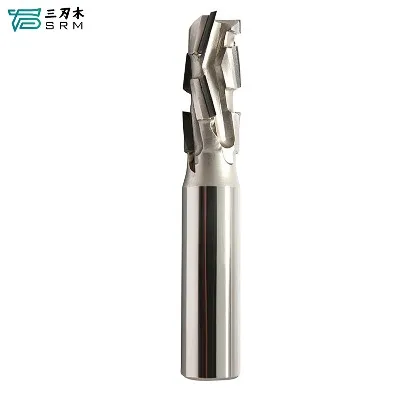
Similarly, a Roughing End Mill Cutter is designed for roughing operations. It has a different flute geometry optimized for removing large amounts of material quickly. While it's great for rough work, it might not provide the same level of precision and surface finish as a Spiral Down Cut Bit.
Factors to Consider
When using a Spiral Down Cut Bit, there are a few factors to keep in mind. The material you're cutting is a big one. Different materials have different properties, and the flute shape might interact with them in different ways. For example, softwoods like pine are easier to cut and might produce longer chips, while hardwoods like oak can be more challenging and may require adjustments to the cutting parameters.
The cutting speed and feed rate also play a crucial role. If the cutting speed is too high, the chips might not have enough time to be evacuated properly. On the other hand, if the feed rate is too low, the bit might dwell in one area for too long, causing excessive heat and wear.
Real - World Applications
In real - world applications, the Spiral Down Cut Bit's flute shape has proven to be a game - changer. In the woodworking industry, it's commonly used for making grooves, dadoes, and rabbets. The ability to evacuate chips effectively means that the cuts are cleaner and more precise. In the plastics industry, it's also widely used for cutting and shaping plastic sheets. The downward spiral flutes help to prevent melting and chipping of the plastic, resulting in a better - quality finished product.
Conclusion
So, as you can see, the flute shape of a Spiral Down Cut Bit has a profound impact on chip formation. It affects chip evacuation, size, shape, and ultimately, the surface finish of the workpiece. Whether you're a professional woodworker, a hobbyist, or someone in the machining industry, understanding these aspects can help you get the most out of your Spiral Down Cut Bit.
If you're interested in purchasing Spiral Down Cut Bits or want to learn more about how they can benefit your projects, don't hesitate to reach out. We're here to provide you with the best products and advice to help you achieve great results.
References
- Smith, J. (2020). Cutting Tool Technology. Woodworking Press.
- Brown, A. (2019). Machining Fundamentals. Industrial Publishing.