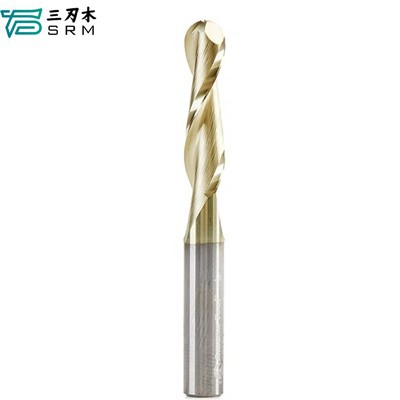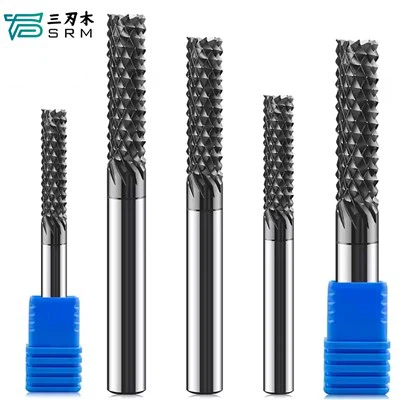


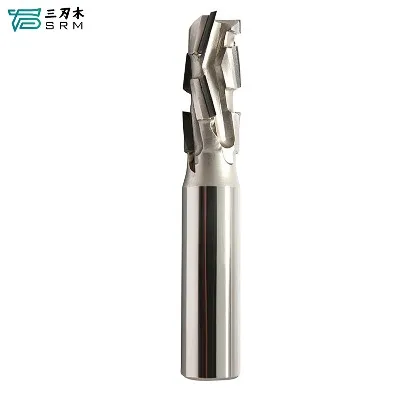





As a dedicated supplier of Dovetail CNC Bits, I've witnessed firsthand the transformative power these tools bring to woodworking and machining projects. Achieving the best finish with a Dovetail CNC Bit is not just about having the right tool; it's a combination of understanding the bit's capabilities, choosing the appropriate materials, and implementing the correct techniques. In this blog, I'll share my insights and experiences to help you get the most out of your Dovetail CNC Bit.
Understanding the Dovetail CNC Bit
Before we dive into the tips for achieving the best finish, let's take a moment to understand what a Dovetail CNC Bit is and how it works. A Dovetail CNC Bit is a specialized cutting tool designed to create dovetail joints, which are known for their strength and aesthetic appeal. These joints are commonly used in woodworking, cabinetry, and furniture making.

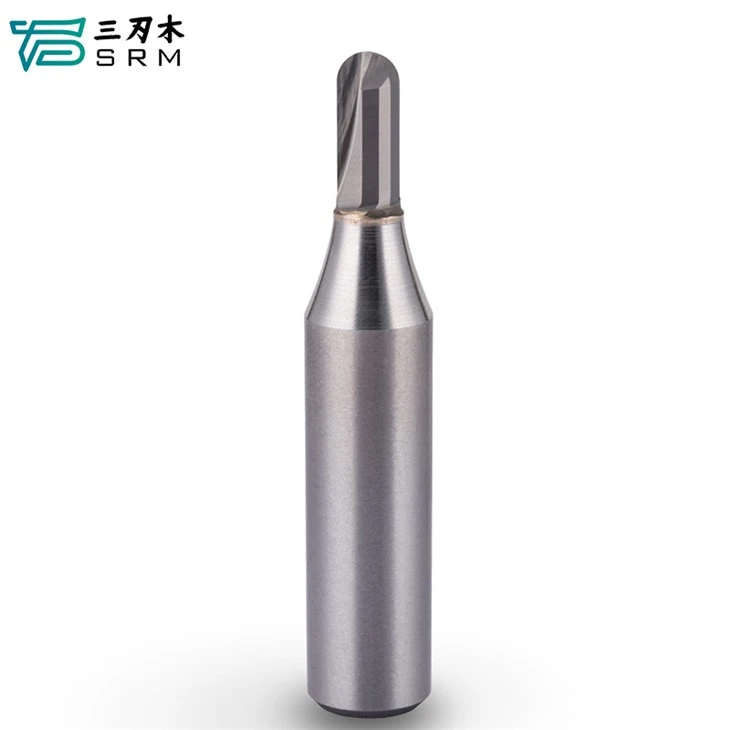
The unique shape of the Dovetail CNC Bit allows it to cut both the male and female parts of the dovetail joint simultaneously. This not only saves time but also ensures a precise and consistent fit. The bit's cutting edges are designed to remove material efficiently, leaving a smooth and clean finish.
Choosing the Right Dovetail CNC Bit
The first step in achieving the best finish with a Dovetail CNC Bit is choosing the right bit for your project. There are several factors to consider when selecting a Dovetail CNC Bit, including the size, angle, and material of the bit.
- Size: The size of the Dovetail CNC Bit is determined by the width of the dovetail joint you want to create. It's important to choose a bit that is the right size for your project to ensure a proper fit.
- Angle: The angle of the Dovetail CNC Bit is another important factor to consider. The most common angles for dovetail joints are 1:6 and 1:8, but you can also find bits with other angles. The angle you choose will depend on the style and design of your project.
- Material: Dovetail CNC Bits are available in a variety of materials, including carbide, high-speed steel (HSS), and diamond. Carbide bits are the most popular choice because they are durable and can withstand high speeds and temperatures. HSS bits are less expensive but may not last as long as carbide bits. Diamond bits are the most expensive but offer the highest level of precision and durability.
Preparing Your Workpiece
Once you've chosen the right Dovetail CNC Bit for your project, it's important to prepare your workpiece properly. This includes selecting the right material, cutting it to the correct size, and ensuring it is securely fastened to the CNC machine.
- Material Selection: The type of material you choose will depend on the type of project you're working on. Common materials used in woodworking include hardwoods, softwoods, and plywood. It's important to choose a material that is suitable for your project and has the right density and grain structure.
- Cutting the Workpiece: Before you start cutting, it's important to measure and mark your workpiece accurately. Use a saw or a CNC machine to cut the workpiece to the correct size and shape. Make sure the edges are straight and smooth.
- Securing the Workpiece: Once you've cut the workpiece, it's important to secure it to the CNC machine. Use clamps or a vacuum table to hold the workpiece in place. Make sure the workpiece is level and stable to prevent it from moving during the cutting process.
Setting Up Your CNC Machine
Setting up your CNC machine correctly is crucial for achieving the best finish with a Dovetail CNC Bit. This includes adjusting the spindle speed, feed rate, and depth of cut.
- Spindle Speed: The spindle speed is the speed at which the Dovetail CNC Bit rotates. The spindle speed you choose will depend on the type of material you're cutting and the size of the bit. Generally, a higher spindle speed is recommended for harder materials and a lower spindle speed is recommended for softer materials.
- Feed Rate: The feed rate is the speed at which the Dovetail CNC Bit moves through the material. The feed rate you choose will depend on the type of material you're cutting and the size of the bit. Generally, a slower feed rate is recommended for harder materials and a faster feed rate is recommended for softer materials.
- Depth of Cut: The depth of cut is the amount of material the Dovetail CNC Bit removes with each pass. The depth of cut you choose will depend on the type of material you're cutting and the size of the bit. Generally, a shallower depth of cut is recommended for harder materials and a deeper depth of cut is recommended for softer materials.
Using the Right Cutting Techniques
In addition to choosing the right Dovetail CNC Bit and setting up your CNC machine correctly, it's important to use the right cutting techniques to achieve the best finish. This includes using the correct cutting direction, using a coolant, and making multiple passes.
- Cutting Direction: The cutting direction you choose will depend on the type of material you're cutting and the design of your project. Generally, it's recommended to cut in a clockwise direction for most materials. However, for some materials, such as plywood, it may be necessary to cut in a counterclockwise direction to prevent tear-out.
- Using a Coolant: Using a coolant can help to reduce heat and friction during the cutting process, which can improve the finish of your workpiece. There are several types of coolants available, including water-based coolants, oil-based coolants, and air coolants. Choose a coolant that is suitable for your project and the type of material you're cutting.
- Making Multiple Passes: Making multiple passes with the Dovetail CNC Bit can help to achieve a smoother and more precise finish. Start with a shallow depth of cut and gradually increase the depth of cut with each pass. This will help to prevent the bit from overheating and reduce the risk of tear-out.
Troubleshooting Common Issues
Even with the best preparation and techniques, you may encounter some common issues when using a Dovetail CNC Bit. Here are some tips for troubleshooting these issues:
- Tear-Out: Tear-out is a common issue that can occur when cutting certain materials, such as plywood. To prevent tear-out, use a sharp bit, reduce the feed rate, and use a backer board.
- Burn Marks: Burn marks can occur when the bit overheats during the cutting process. To prevent burn marks, use a coolant, reduce the spindle speed, and increase the feed rate.
- Chipping: Chipping can occur when the bit is dull or when the material is too hard. To prevent chipping, use a sharp bit, reduce the feed rate, and use a coolant.
Conclusion
Achieving the best finish with a Dovetail CNC Bit requires a combination of understanding the bit's capabilities, choosing the appropriate materials, and implementing the correct techniques. By following the tips and techniques outlined in this blog, you can ensure that your dovetail joints are precise, strong, and aesthetically pleasing.
If you're interested in learning more about Dovetail CNC Bits or other types of CNC router bits, such as CNC V Bits, Ball Nose Engraving Bit, or Straight Router Bit With Chip Breaker, please don't hesitate to contact us. We're here to help you find the right tools for your project and provide you with the support and guidance you need to achieve the best results.
References
- Woodworking Magazine
- CNC Machining Handbook
- Dovetail Joints: A Comprehensive Guide