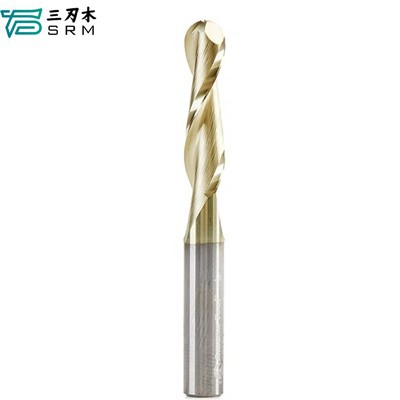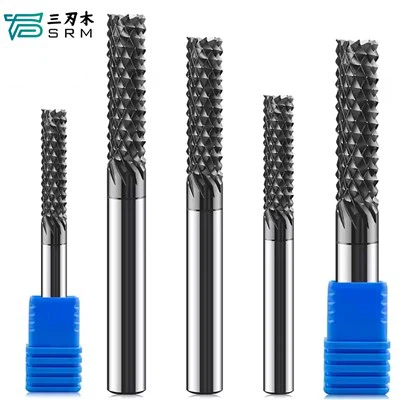


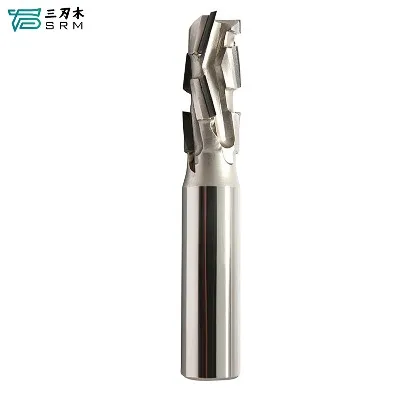





How long a spiral down cut bit lasts depends on various factors, which are crucial for both users and suppliers like me. As a supplier of spiral down cut bits, I have in - depth knowledge of these tools and their performance in different scenarios.


Factors Affecting the Lifespan of Spiral Down Cut Bits
Material of the Workpiece
The type of material being cut is one of the most significant factors. When cutting softer materials such as pine or MDF (Medium - Density Fiberboard), the spiral down cut bit experiences less wear. These materials are easier to cut through, and the bit doesn't have to work as hard. For example, a bit used for cutting pine might last significantly longer compared to one used on hardwoods like oak or maple. Hardwoods are denser and contain more abrasive substances, which can quickly dull the cutting edges of the bit. When a bit is used on a particularly hard or abrasive material, the cutting edges may start to wear down after just a few hours of use. In contrast, when cutting soft materials, it could potentially last dozens of hours.
Cutting Speed and Feed Rate
The cutting speed and feed rate also play a vital role. If the cutting speed is too high, the bit can overheat. Excessive heat can cause the carbide tips on the bit to lose their hardness, leading to premature wear. Similarly, if the feed rate is too fast, the bit has to remove more material at once, putting more stress on the cutting edges. On the other hand, if the feed rate is too slow, the bit may rub against the material instead of cleanly cutting it, which can also lead to increased wear. A proper balance between cutting speed and feed rate is essential for maximizing the lifespan of the bit. For instance, in a professional woodworking shop, operators often follow specific guidelines for different materials to ensure optimal cutting conditions.
Coolant and Lubrication
Using coolant or lubrication can significantly extend the life of a spiral down cut bit. Coolant helps to dissipate heat generated during the cutting process. When the bit is cool, the carbide remains harder and more resistant to wear. Lubrication reduces friction between the bit and the workpiece, which also reduces wear. In some industrial settings, flood coolant systems are used, where a continuous stream of coolant is applied to the cutting area. In smaller workshops, mist coolant systems can be used. These systems spray a fine mist of coolant onto the bit and the workpiece, providing some cooling and lubrication.
Quality of the Bit
The quality of the spiral down cut bit itself is a determining factor. High - quality bits are made from better - grade carbide and are manufactured with more precise machining processes. They have sharper cutting edges and better - designed geometries. For example, a bit with a well - designed helix angle can cut more efficiently, reducing stress on the bit and extending its lifespan. Cheaper, lower - quality bits may have inconsistent carbide quality and less precise cutting edges, which can lead to quicker wear.
Average Lifespan Estimates
It's difficult to give an exact lifespan for a spiral down cut bit because of the many variables involved. However, under normal operating conditions, when cutting softwoods like pine at an appropriate cutting speed and feed rate, a high - quality spiral down cut bit can last anywhere from 20 to 50 hours of continuous use. When cutting hardwoods, the lifespan may be reduced to 5 - 15 hours.
In some specialized applications, such as cutting composite materials or plastics, the lifespan can vary widely. For example, cutting fiberglass - reinforced plastics can be very abrasive, and a bit may only last a few hours. On the other hand, cutting certain types of soft plastics may allow the bit to last for a relatively long time, perhaps 30 - 60 hours.
Maintenance and Inspection
Regular maintenance and inspection can also extend the life of a spiral down cut bit. After each use, the bit should be cleaned to remove any debris or chips. This can prevent the build - up of material on the cutting edges, which can cause uneven wear. Inspecting the bit for signs of wear, such as chipping or dulling, is also important. If a bit shows signs of significant wear, it may be possible to re - sharpen it. However, re - sharpening should be done by a professional to ensure that the bit's geometry is maintained.
Our Product Range and Advantages
As a supplier, we offer a wide range of spiral down cut bits, as well as other related products. For example, we have the Milling Bit for Neon Strip, which is designed specifically for cutting neon strips. This bit has a unique design that allows for precise and clean cuts, reducing the risk of chipping or damage to the neon strip.
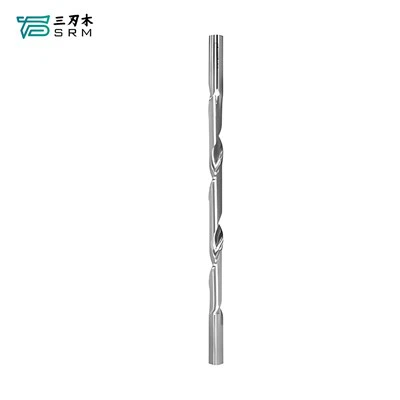
We also provide the Double - ended Spiral Saw Bit. This bit is double - ended, which means that when one end becomes dull, the user can simply flip the bit and use the other end. This effectively doubles the lifespan of the bit and provides cost - savings for the user.
Another product in our range is the Straight Bit with Chip Breaker. The chip breaker design helps to break up chips during the cutting process, reducing the load on the bit and preventing clogging. This can lead to more efficient cutting and a longer lifespan for the bit.
Contact Us for Purchase and Discussion
If you are in the market for spiral down cut bits or any of our other products, we encourage you to reach out to us. We have a team of experts who can provide you with detailed information about our products, including their specifications, performance, and expected lifespan. We can also offer advice on the best bit for your specific application, taking into account factors such as the material you will be cutting, your cutting speed and feed rate, and your budget.
References
- "Woodworking Tool Handbook", a comprehensive guide on woodworking tools and their performance.
- "Carbide Cutting Tools: Principles and Applications", which provides in - depth knowledge about carbide - based cutting tools.
- Industry reports on the performance and lifespan of cutting tools in different manufacturing and woodworking applications.