








Hey there! As a supplier of Lock Hole Router Bits, I'm super excited to share with you how these nifty tools work. Whether you're a seasoned woodworker or just starting out, understanding the ins and outs of a lock hole router bit can take your projects to the next level.
What is a Lock Hole Router Bit?
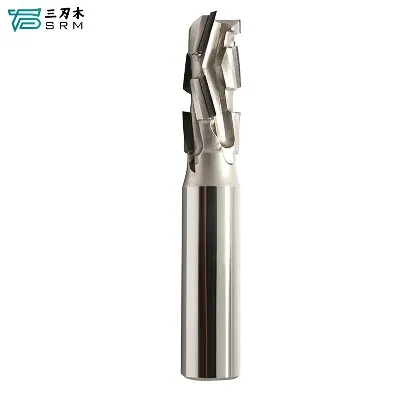
First things first, let's get clear on what a lock hole router bit actually is. It's a specialized cutting tool designed to create the holes and slots needed for installing locks in doors and other woodworking projects. These bits come in different shapes and sizes, each tailored to specific types of locks and installation requirements.
The Basics of How It Works
At its core, a lock hole router bit works by spinning at high speeds and removing material from the wood to create the desired shape. When you attach the bit to a router, which is a power tool that holds the bit and allows you to control its movement, the bit starts rotating rapidly. As you guide the router over the wood surface, the cutting edges of the bit start shaving off the wood, gradually forming the lock hole or slot.
The router bit has a specific design that determines the shape and size of the hole it creates. For example, some lock hole router bits are designed to create round holes for cylindrical locks, while others are made to cut rectangular or oval slots for different types of lock mechanisms.
The Cutting Process
Let's break down the cutting process step by step. When you turn on the router and lower the bit onto the wood, the sharp cutting edges of the bit start making contact with the surface. The rotation of the bit causes the wood fibers to be cut and removed, creating chips that are ejected from the cutting area.
As you move the router along the marked area on the wood, the bit continues to cut deeper and wider, following the shape of the bit's profile. It's important to move the router at a steady pace to ensure a clean and even cut. If you move too fast, the bit may not cut through the wood properly, resulting in a rough or uneven surface. On the other hand, if you move too slowly, you may overheat the bit and damage the wood.
Types of Lock Hole Router Bits
There are several types of lock hole router bits available, each with its own unique features and uses. Here are some common types:
Round Slotting Router Bit
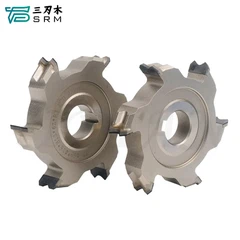
The Round Slotting Router Bit is designed to create round holes or slots in the wood. This type of bit is often used for installing cylindrical locks or for creating holes for dowels or other round components. It has a circular cutting edge that rotates to cut through the wood, leaving a smooth and precise hole.
Ball Nose Router Bit
The Ball Nose Router Bit has a rounded tip that allows it to create curved or rounded edges in the lock hole. This type of bit is useful for creating decorative or custom-shaped lock holes, as it can add a unique touch to your woodworking projects.
Aluminum Router Bit
The Aluminum Router Bit is specifically designed for cutting aluminum and other non-ferrous metals. While it may not be a traditional lock hole router bit, it can be used in some applications where you need to create holes or slots in aluminum components for lock installations. This type of bit is made from high-quality carbide or other materials that are designed to withstand the high cutting forces and heat generated when cutting metal.
Factors Affecting the Performance of a Lock Hole Router Bit
Several factors can affect the performance of a lock hole router bit. Here are some of the most important ones:
Bit Material
The material of the bit plays a crucial role in its performance. High-quality carbide bits are known for their durability and sharpness, which allows them to cut through wood and other materials with ease. Carbide bits also tend to stay sharp for longer periods of time, reducing the need for frequent bit changes.
Bit Size and Shape
The size and shape of the bit determine the size and shape of the hole it creates. It's important to choose the right bit for your specific lock installation requirements. Using the wrong size or shape of bit can result in a poorly fitting lock or a hole that is not the correct size or shape.


Router Speed
The speed at which the router spins the bit can also affect the cutting performance. Different types of wood and materials require different router speeds. Generally, softer woods can be cut at higher speeds, while harder woods may require lower speeds to prevent the bit from overheating or breaking.
Feed Rate
The feed rate, or the speed at which you move the router over the wood, is another important factor. Moving the router too fast can result in a rough or uneven cut, while moving it too slowly can cause the bit to overheat and damage the wood. It's important to find the right feed rate for your specific project and bit.
Tips for Using a Lock Hole Router Bit
Here are some tips to help you get the most out of your lock hole router bit:
Prepare the Wood
Before you start cutting, make sure the wood is clean and free of any debris or knots. Sanding the wood surface can also help to ensure a smooth and even cut.
Mark the Cutting Area
Use a pencil or other marking tool to clearly mark the area where you want to cut the lock hole or slot. This will help you to guide the router accurately and ensure that the hole is in the correct position.
Use a Router Table or Guide
A router table or guide can help you to control the movement of the router and ensure a straight and accurate cut. This is especially important when cutting large or complex lock holes.
Wear Safety Gear
Always wear safety glasses, ear protection, and a dust mask when using a router and lock hole router bit. This will help to protect you from flying chips and dust, as well as the noise generated by the router.
Conclusion
In conclusion, a lock hole router bit is a powerful and versatile tool that can make lock installations in woodworking projects much easier and more precise. By understanding how it works and following the tips and guidelines outlined in this blog post, you can achieve professional-looking results with your lock hole router bit.
If you're in the market for a high-quality lock hole router bit or other router bits, we're here to help. As a leading supplier of router bits, we offer a wide range of products to meet your specific needs. Whether you're looking for a Round Slotting Router Bit, a Ball Nose Router Bit, or an Aluminum Router Bit, we've got you covered.
If you have any questions or would like to discuss your specific requirements, please don't hesitate to contact us. We're always happy to help you find the right router bit for your project and provide you with the support and advice you need to get the job done right.
References
- Woodworking Magazine
- Router Bit Manufacturer's Guides
- Online Woodworking Forums


