



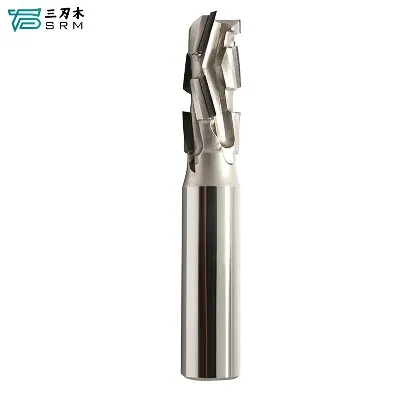

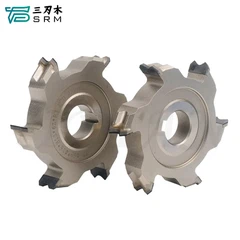
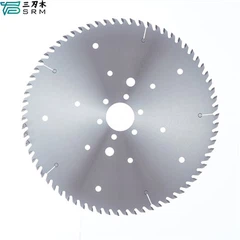






As a supplier of Solid Wood Saw Blades, I've witnessed firsthand the significant impact that blade thickness can have on the cutting process. In this blog post, I'll delve into the various ways in which the blade thickness of a solid wood saw blade affects cutting, providing insights that can help you make informed decisions when selecting the right tool for your woodworking projects.
1. Cutting Efficiency
The thickness of a solid wood saw blade plays a crucial role in determining cutting efficiency. A thinner blade generally requires less power to cut through wood because it has less material in contact with the workpiece. This means that the saw can operate more smoothly and with less resistance, resulting in faster cutting speeds. For example, when using a thin-bladed saw to cut through a large piece of solid wood, the reduced friction allows the blade to glide through the material more easily, saving both time and energy.
On the other hand, a thicker blade may be more suitable for certain applications where strength and durability are paramount. Thicker blades are less likely to bend or warp under heavy load, which can be beneficial when cutting through dense or hard woods. However, the increased material in contact with the wood also means that more power is required to drive the blade, potentially slowing down the cutting process.
2. Kerf Width
The kerf width, or the width of the cut made by the saw blade, is directly related to the blade thickness. A thicker blade will create a wider kerf, while a thinner blade will result in a narrower kerf. The choice of kerf width depends on the specific requirements of the woodworking project.
In some cases, a wider kerf may be desirable. For instance, when making rough cuts or when working with materials that require a certain amount of clearance, a wider kerf can provide more room for error and prevent the blade from binding. However, a wider kerf also means that more wood is removed during the cutting process, which can be wasteful, especially when working with expensive or limited supplies of wood.
Conversely, a narrower kerf is often preferred for precision cuts, such as joinery or when working with thin veneers. A thinner blade allows for greater accuracy and less material loss, resulting in a cleaner and more professional finish. Additionally, a narrower kerf can be beneficial when making multiple cuts or when working with softwoods, as it reduces the risk of tear-out.
3. Blade Stability
Blade stability is another important factor affected by blade thickness. A thicker blade is generally more stable than a thinner blade, especially when cutting at high speeds or under heavy load. The additional material in a thicker blade provides greater resistance to bending and vibration, which helps to maintain a straight and accurate cut.
When using a thinner blade, it's important to take extra precautions to ensure blade stability. This may include using a saw with a high-quality arbor and bearings, as well as properly tensioning the blade before use. Additionally, it's important to avoid pushing the blade too hard or cutting through materials that are too thick or dense for the blade, as this can cause the blade to deflect and result in an uneven cut.
4. Heat Generation
The thickness of a solid wood saw blade can also affect heat generation during the cutting process. A thicker blade has more mass, which means that it can absorb and dissipate heat more effectively than a thinner blade. This can be beneficial when making long or continuous cuts, as it helps to prevent the blade from overheating and losing its sharpness.
However, a thicker blade also requires more power to drive, which can generate more heat. Additionally, the increased material in contact with the wood can cause more friction, further contributing to heat generation. To mitigate the effects of heat, it's important to choose a blade with the appropriate tooth design and coating, as well as to use coolant or lubricant during the cutting process.
5. Application Considerations
The choice of blade thickness ultimately depends on the specific application and the type of wood being cut. Here are some general guidelines to help you choose the right blade thickness for your woodworking projects:
- Fine Woodworking: For precision cuts and delicate joinery, a thinner blade with a narrow kerf is typically preferred. This allows for greater accuracy and less material loss, resulting in a cleaner and more professional finish.
- Rough Cutting: When making rough cuts or cutting through thick or dense woods, a thicker blade may be more suitable. The additional strength and stability of a thicker blade can help to prevent bending and vibration, ensuring a straight and accurate cut.
- Panel Cutting: When cutting large panels of wood or plywood, a scoring saw blade Scoring Saw Blade with a thin blade and a sharp tooth design is often used to make a preliminary cut before the main cut. This helps to prevent tear-out and ensures a clean and smooth edge.
- Grooving: For making grooves or dadoes in wood, a grooving saw blade Grooving Saw Blade with a specific blade thickness and tooth design is required. These blades are designed to create precise and consistent grooves, and the blade thickness should be chosen based on the width and depth of the groove.
Conclusion
In conclusion, the blade thickness of a solid wood saw blade has a significant impact on cutting efficiency, kerf width, blade stability, heat generation, and overall performance. By understanding how these factors are affected by blade thickness, you can make informed decisions when selecting the right saw blade for your woodworking projects.
As a supplier of Solid Wood Saw Blade, I'm committed to providing high-quality saw blades that meet the diverse needs of woodworkers. If you have any questions or need assistance in choosing the right saw blade for your project, please don't hesitate to contact us. We're here to help you achieve the best results and take your woodworking to the next level.


References
- Abrasive Engineering Society. Handbook of Abrasive Technology.
- Woodworking Magazine. The Complete Guide to Saw Blades.
- Machinery's Handbook. Industrial Press, Inc.


