



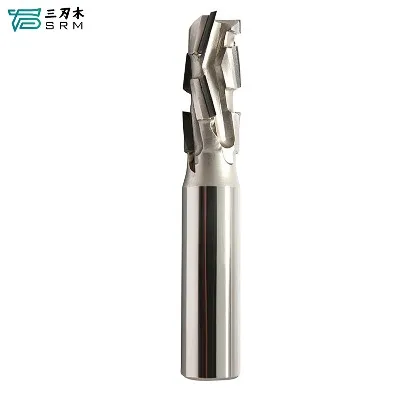





Hey there! As a supplier of Aluminum Router Bits, I've been getting a lot of questions lately about how the rake angle affects the performance of these bits. So, I thought I'd take a moment to break it down for you.
First off, let's talk about what the rake angle is. The rake angle is the angle between the cutting edge of the router bit and a line perpendicular to the workpiece. It plays a crucial role in how the bit cuts through the material. There are three main types of rake angles: positive, negative, and zero.
Positive Rake Angle
A positive rake angle means that the cutting edge is angled forward in the direction of rotation. This type of rake angle is great for cutting soft materials like aluminum. When you use a bit with a positive rake angle, it creates a shearing action that makes it easier to cut through the material. The chips are also more likely to flow smoothly out of the cut, reducing the chances of clogging.
One of the benefits of using a positive rake angle is that it requires less cutting force. This means that your router doesn't have to work as hard, which can extend the life of your tool. It also results in a smoother finish on the workpiece. However, a positive rake angle can make the bit more prone to chipping, especially if you're cutting harder materials.
Negative Rake Angle
On the other hand, a negative rake angle means that the cutting edge is angled backward in the direction of rotation. This type of rake angle is better suited for cutting harder materials. When you use a bit with a negative rake angle, it provides more support to the cutting edge, making it less likely to chip.
The negative rake angle also increases the strength of the bit, allowing it to withstand higher cutting forces. This is important when you're cutting materials like stainless steel or titanium. However, using a negative rake angle requires more cutting force, which can put more stress on your router. It also tends to produce a rougher finish on the workpiece.
Zero Rake Angle
A zero rake angle means that the cutting edge is perpendicular to the workpiece. This type of rake angle is a compromise between positive and negative rake angles. It offers a good balance between cutting efficiency and bit strength. Zero rake angles are often used for general-purpose cutting applications.
Now, let's talk about how the rake angle affects the performance of an aluminum router bit specifically. Aluminum is a relatively soft material, so a positive rake angle is usually the best choice. A positive rake angle allows the bit to cut through the aluminum easily, producing a smooth finish. It also helps to reduce the amount of heat generated during the cutting process, which can prevent the aluminum from melting or sticking to the bit.


However, if you're cutting thicker aluminum or if you need to make deep cuts, you might want to consider using a bit with a slightly negative rake angle. This will provide more support to the cutting edge and help prevent chipping.
At our company, we offer a wide range of Aluminum Router Bits with different rake angles to suit your specific needs. For example, our Milling Bit for Neon Strip is designed with a positive rake angle for smooth and efficient cutting of aluminum. Our PCB FR4 Corn Cob Router Bit is another great option, with a rake angle that provides a good balance between cutting performance and durability. And if you're looking for a bit that can handle more aggressive cutting, our Spiral Up Cut Bits are a great choice.
In conclusion, the rake angle plays a significant role in the performance of an aluminum router bit. By choosing the right rake angle for your application, you can improve the cutting efficiency, reduce the risk of chipping, and achieve a better finish on your workpiece. If you have any questions about which rake angle is right for you, or if you're interested in purchasing our Aluminum Router Bits, don't hesitate to reach out. We're here to help you find the best solution for your needs.
References
- Smith, J. (2020). "The Basics of Router Bit Rake Angles." Woodworking Magazine.
- Johnson, M. (2019). "How to Choose the Right Rake Angle for Your Router Bit." DIY Tool Reviews.
- Brown, A. (2018). "Understanding Rake Angles in Router Bits." Metalworking Today.


