



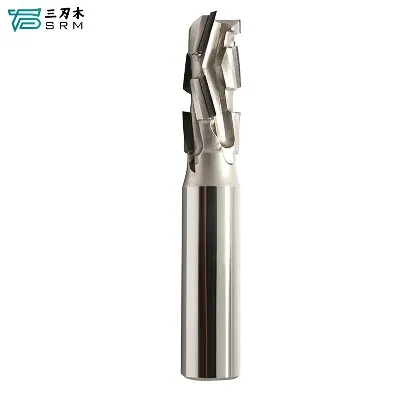

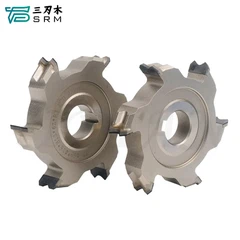




Hey there! As a supplier of O Flute Router Bits, I've gotten tons of questions about how to adjust the cutting depth of these bits. It's a crucial aspect that can make or break your woodworking or other material - cutting projects. So, let's dive right in and explore the ins and outs of adjusting the cutting depth of an O Flute Router Bit.
Why is Cutting Depth Important?
First off, you might be wondering why getting the cutting depth right is such a big deal. Well, if the cutting depth is too shallow, you'll end up with incomplete cuts. Your project won't have the desired shape or finish, and you'll likely have to go over the same area multiple times, which is a real pain and can waste a lot of time.
On the other hand, if the cutting depth is too deep, you risk damaging your workpiece. You could cause splintering, breakage, or even ruin the entire piece. Plus, it puts a lot of stress on the router bit itself. This can lead to premature wear and tear, meaning you'll have to replace your O Flute Router Bit more often.
Tools You'll Need
Before you start adjusting the cutting depth, make sure you have the right tools on hand. You'll need a reliable router with a depth adjustment mechanism. Most modern routers come with this feature, but it's always a good idea to double - check.
You'll also need a measuring tool, like a ruler or a caliper. A caliper is super accurate and can give you precise measurements, which is great for getting that perfect cutting depth. And don't forget about safety gear! Safety glasses and ear protection are a must when working with routers.
Step - by - Step Guide to Adjusting Cutting Depth
Step 1: Unplug the Router
Safety first! Always unplug your router before you start any adjustments. This might seem like a no - brainer, but you'd be surprised how many accidents happen because people forget this simple step.
Step 2: Loosen the Collet
The collet is what holds the O Flute Router Bit in place. Use a collet wrench to loosen it. Make sure you hold the bit firmly so it doesn't fall out.
Step 3: Insert the O Flute Router Bit
Once the collet is loose, insert your O Flute Router Bit into the collet. Push it in as far as it can go without forcing it. You want the bit to be seated properly for the best results.
Step 4: Tighten the Collet
After inserting the bit, use the collet wrench to tighten the collet. Make sure it's nice and snug, but don't over - tighten it. Over - tightening can damage the collet or the bit.
Step 5: Set the Initial Depth
Now, it's time to set the initial cutting depth. Most routers have a depth adjustment knob or lever. Turn this knob or move the lever to set the depth to a rough estimate of what you need. If you're not sure, start with a shallow depth and work your way up.
Step 6: Measure the Depth
Use your measuring tool to check the cutting depth. Place the measuring tool against the base of the router and measure the distance from the base to the tip of the O Flute Router Bit. Adjust the depth as needed until you get the desired measurement.
Step 7: Test Cut
Before you start your actual project, it's a good idea to do a test cut on a scrap piece of the same material you'll be using. This will give you a chance to see how the bit performs at the set depth. If the cut looks good, you're ready to go. If not, you can make further adjustments.
Factors Affecting Cutting Depth
There are several factors that can affect the ideal cutting depth for your O Flute Router Bit.
The type of material you're cutting is a big one. Softwoods like pine or cedar can usually handle a deeper cut compared to hardwoods like oak or maple. Harder materials are more likely to cause splintering or breakage if the cutting depth is too deep.
The speed of the router also plays a role. A higher router speed can allow for a slightly deeper cut, but you need to be careful not to push it too far. If the router is spinning too fast and the cutting depth is too deep, it can generate a lot of heat, which can damage the bit and the material.
Another factor is the feed rate, which is how fast you move the router across the material. A slower feed rate can sometimes allow for a deeper cut because the bit has more time to remove the material cleanly.
Comparing with Other Router Bits
It's interesting to compare the cutting depth adjustment of O Flute Router Bits with other types of router bits. For example, Roughing End Mill Cutter is often used for removing large amounts of material quickly. These bits can usually handle a relatively deep cut, but they also generate more heat and vibration.
Round Slotting Router Bit is designed for creating round slots. The cutting depth for these bits needs to be precise to get the right size and shape of the slot.
Milling Bit for Neon Strip is used for very specific applications, like working with neon strips. The cutting depth for these bits is usually shallower because the material is often thin and delicate.
Tips for Optimal Performance
To get the best performance out of your O Flute Router Bit, here are some additional tips.
Keep your router and the bit clean. Sawdust and debris can build up on the bit and the router, which can affect the cutting performance. Use a brush to clean the bit after each use and make sure the router's ventilation ports are clear.
Sharpen your bit regularly. A dull bit won't cut as cleanly and may require a shallower cut to avoid damage. You can use a bit sharpener or take it to a professional if you're not comfortable doing it yourself.


Finally, always follow the manufacturer's instructions for your router and the O Flute Router Bit. They know their products best and can provide valuable information on the recommended cutting depths and other important details.
Conclusion
Adjusting the cutting depth of an O Flute Router Bit is a skill that takes a bit of practice, but once you get the hang of it, you'll be able to create high - quality cuts in your woodworking or other cutting projects. Remember to prioritize safety, use the right tools, and consider the factors that can affect the cutting depth.
If you're in the market for a new O Flute Router Bit or have any questions about our products, we'd love to hear from you. Whether you're a professional woodworker or a hobbyist, we have the right bit for your needs. Contact us to start a purchase negotiation and take your projects to the next level.
References
- Router user manuals
- Woodworking industry best practices guides
- Manufacturer's specifications for O Flute Router Bits


