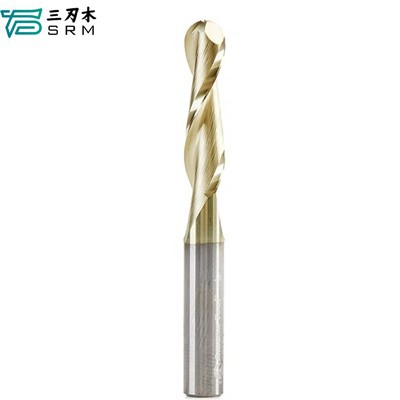


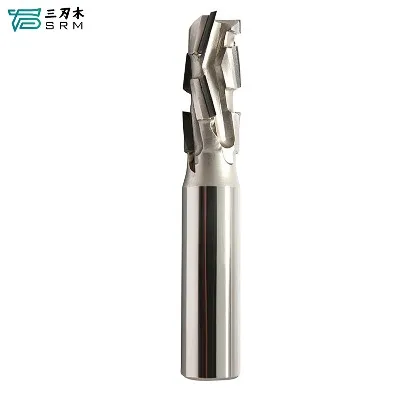








As a trusted supplier of trimming cutterheads, I understand the significance of maintaining these essential tools to ensure optimal performance and longevity. A well - maintained trimming cutterhead not only enhances the quality of your work but also reduces the risk of costly breakdowns. In this blog, I'll share a comprehensive guide on how to clean a trimming cutterhead effectively.
Why Cleaning is Crucial
Before delving into the cleaning process, it's important to understand why regular cleaning is so vital. Trimming cutterheads are constantly exposed to various materials such as wood chips, sawdust, resin, and other debris during operation. Over time, this buildup can cause several problems. Firstly, it can affect the cutting precision of the cutterhead. The debris may interfere with the blade's movement, leading to uneven cuts and a lower quality finish on the workpiece. Secondly, the accumulation of dirt and debris can increase the friction between the moving parts of the cutterhead. This extra friction not only consumes more energy but also accelerates the wear and tear of the components, reducing the overall lifespan of the cutterhead.
Pre - cleaning Preparations
- Safety First: Always prioritize safety when working with any machinery. Start by disconnecting the trimming cutterhead from the power source to prevent accidental startup. Wear appropriate personal protective equipment (PPE), including safety glasses to protect your eyes from flying debris and gloves to safeguard your hands.
- Gather Your Tools: You'll need a few basic tools for the cleaning process. These include a soft - bristle brush, compressed air canister or air compressor, a cleaning solvent suitable for the cutterhead material (check the manufacturer's recommendations), a clean cloth, and a small container for soaking parts if necessary.
- Inspect the Cutterhead: Before cleaning, take a close look at the cutterhead for any visible signs of damage, such as broken blades, loose parts, or excessive wear. If you notice any issues, it's advisable to address them before proceeding with the cleaning. This might involve replacing damaged blades or tightening loose screws.
Step - by - Step Cleaning Process
1. Remove Loose Debris
Use a soft - bristle brush to gently sweep away any loose wood chips, sawdust, or other debris from the surface of the cutterhead. Start from the outer edges and work your way towards the center. Be careful not to scratch the cutterhead or the blades during this process. Pay special attention to the areas around the blades and the cutting edges, as these are the places where debris tends to accumulate the most.
2. Use Compressed Air
Once you've removed the loose debris, use a compressed air canister or an air compressor to blow out any remaining dust and particles from the hard - to - reach areas of the cutterhead. Hold the air nozzle at a safe distance and direct the airflow into the crevices, holes, and around the blades. This will help dislodge any stubborn debris that the brush couldn't remove.
3. Apply Cleaning Solvent
Dampen a clean cloth with the appropriate cleaning solvent. Gently wipe down the entire surface of the cutterhead, including the blades, the body, and any other components. Make sure to follow the manufacturer's instructions regarding the use of the solvent. Some solvents may require a specific application method or a certain amount of time to work effectively.
If the cutterhead has particularly stubborn dirt or resin buildup, you can soak some of the removable parts in a container filled with the cleaning solvent. However, be cautious and ensure that the parts are fully submerged and that the solvent is compatible with the material of the parts.
4. Clean the Blades
The blades are the most critical part of the trimming cutterhead, so they require special attention. Use a blade - specific cleaning tool or a soft brush to clean the cutting edges. Avoid using abrasive materials that could dull the blades. If there is resin or other sticky substances on the blades, you can use a small amount of solvent on a cloth to carefully remove them.
5. Rinse and Dry
After cleaning with the solvent, rinse the cutterhead with clean water if the solvent instructions allow it. Make sure to remove all traces of the solvent. Then, use a dry cloth to thoroughly dry the cutterhead. Leaving any moisture on the cutterhead can lead to rust and corrosion, especially if the cutterhead is made of metal.
6. Lubrication
Once the cutterhead is completely dry, apply a thin layer of lubricant to the moving parts as recommended by the manufacturer. This will help reduce friction and ensure smooth operation. Be careful not to over - lubricate, as excess lubricant can attract more dirt and debris.
Maintenance Tips
- Regular Cleaning Schedule: Establish a regular cleaning schedule based on the frequency of use of the trimming cutterhead. For heavy - duty use, it may be necessary to clean the cutterhead after every few jobs. For lighter use, a monthly cleaning may be sufficient.
- Storage: When not in use, store the trimming cutterhead in a clean, dry place. Consider using a protective cover to prevent dust and debris from accumulating on it.
- Blade Replacement: Keep an eye on the condition of the blades and replace them when they become dull or damaged. Using sharp blades not only improves the quality of the cuts but also reduces the strain on the cutterhead.
Related Products
If you're in the market for high - quality trimming cutterheads or related products, we offer a wide range of options. Check out our Disposable Carbide Blade Tenon Milling Cutter, Planer Cutterhead, and Rabbeting Cutter Heads with 40mm Profile Knives. These products are designed to meet the highest standards of quality and performance.


Contact Us for Procurement
If you're interested in purchasing trimming cutterheads or have any questions about our products, we'd love to hear from you. Whether you're a small - scale woodworker or a large - scale manufacturing company, we can provide you with the right solutions for your needs. Reach out to us to start a procurement discussion and take your woodworking operations to the next level.
References
- Woodworking Machinery Maintenance Handbook
- Manufacturer's manuals for trimming cutterheads