







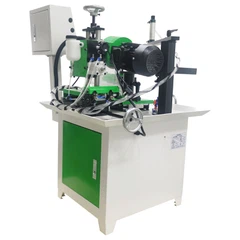

Hey there, woodworking enthusiasts! As a supplier of circular wood saws, I've seen firsthand how important it is to keep your equipment in top-notch condition. Upgrading your circular wood saw can significantly enhance its performance, efficiency, and safety. In this blog post, I'll share some tips on how to upgrade your circular wood saw, so you can get the most out of your tool.
1. Assess Your Current Saw
Before you start upgrading, it's crucial to understand your saw's current capabilities and limitations. Take a good look at your saw and consider the following aspects:


- Blade Quality: The blade is the heart of your circular wood saw. If your blade is dull, chipped, or has the wrong tooth configuration for your cutting needs, it can lead to poor cuts and decreased efficiency.
- Motor Power: The motor determines how much cutting force your saw can generate. If you're frequently cutting through thick or hard materials, a more powerful motor might be necessary.
- Safety Features: Check if your saw has essential safety features like blade guards, anti-kickback mechanisms, and a riving knife. Upgrading these features can make your saw safer to use.
2. Upgrade the Blade
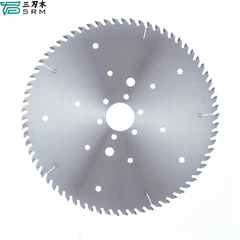
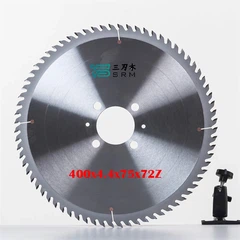
One of the most effective ways to upgrade your circular wood saw is by replacing the blade. A high-quality blade can make a world of difference in the quality of your cuts. Here are some things to consider when choosing a new blade:
- Tooth Configuration: Different tooth configurations are suitable for different types of cuts. For crosscuts, a blade with a high tooth count and a finer pitch is ideal. For rip cuts, a blade with fewer teeth and a coarser pitch works better.
- Blade Material: Blades are typically made from carbide or high-speed steel (HSS). Carbide blades are more durable and can stay sharp longer, making them a great choice for heavy-duty cutting. HSS blades are more affordable but may need to be sharpened more frequently.
- Blade Size: Make sure to choose a blade that is the correct size for your saw. Using the wrong size blade can be dangerous and may cause the saw to malfunction.
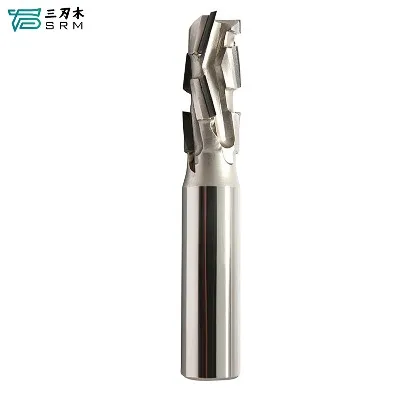
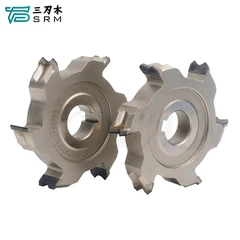
If you're looking for specific types of blades, we offer a variety of options, including the Hogging Cutter for Double End Tenoner, Trimming Saw Blade, and Frame Saw Blade. These blades are designed to provide excellent cutting performance and durability.
3. Improve the Motor
If you find that your saw struggles to cut through thick or hard materials, upgrading the motor can be a great solution. A more powerful motor can provide the extra cutting force needed to make smooth and efficient cuts. Here are some things to consider when upgrading the motor:
- Power Rating: Look for a motor with a higher horsepower rating. A more powerful motor will be able to handle tougher cutting tasks with ease.
- Efficiency: Consider a motor that is energy-efficient. This can save you money on your electricity bill in the long run.
- Compatibility: Make sure the new motor is compatible with your saw. You may need to consult the manufacturer's specifications or seek professional help to ensure a proper fit.
4. Enhance Safety Features
Safety should always be a top priority when working with power tools. Upgrading the safety features of your circular wood saw can help prevent accidents and injuries. Here are some safety features you can consider upgrading:
- Blade Guard: A blade guard is designed to protect your hands from the spinning blade. Make sure your blade guard is in good condition and functions properly. You may also consider upgrading to a more advanced blade guard that provides better protection.
- Anti-Kickback Mechanism: An anti-kickback mechanism helps prevent the saw from kicking back towards you when the blade binds or stalls. This can be a lifesaver in case of an accident.
- Riving Knife: A riving knife is a thin metal plate that sits behind the blade and helps prevent the wood from pinching the blade. This can reduce the risk of kickback and make your cuts safer.
5. Upgrade the Fence and Miter Gauge
The fence and miter gauge are essential components of your circular wood saw that help you make accurate cuts. Upgrading these components can improve the precision and consistency of your cuts. Here are some things to consider when upgrading the fence and miter gauge:
- Fence: Look for a fence that is sturdy, adjustable, and provides a smooth and accurate guide for your cuts. A good fence should be able to lock in place securely and have a wide range of adjustment options.
- Miter Gauge: A miter gauge is used to make angled cuts. Look for a miter gauge that is easy to use, accurate, and has a wide range of angle settings. Some miter gauges also come with additional features like a built-in protractor or a stop block.
6. Regular Maintenance
In addition to upgrading your saw, regular maintenance is essential to keep it in good working condition. Here are some maintenance tips to keep in mind:
- Clean the Saw: After each use, clean the saw to remove any sawdust, debris, or resin. This can help prevent the saw from overheating and improve its performance.
- Lubricate Moving Parts: Lubricate the moving parts of the saw, such as the blade arbor, miter gauge, and fence, to reduce friction and wear.
- Check the Blade Tension: Make sure the blade is properly tensioned. A loose blade can cause the saw to vibrate and make poor cuts, while a too-tight blade can damage the blade and the saw.
- Sharpen the Blade: Regularly sharpen the blade to keep it in good cutting condition. A sharp blade will make cleaner cuts and require less effort to use.
Conclusion
Upgrading your circular wood saw can be a great investment that can improve its performance, efficiency, and safety. By following the tips outlined in this blog post, you can upgrade your saw and take your woodworking to the next level. If you have any questions or need help choosing the right upgrades for your saw, feel free to contact us. We're here to help you get the most out of your circular wood saw.
References
- Woodworking Magazine
- Popular Woodworking
- Fine Woodworking


