








What affects the drilling depth of a drill bit? This is a question that often comes up among professionals and DIY enthusiasts alike. As a drill bit supplier, I've had the opportunity to witness firsthand how various factors can significantly impact the drilling depth. In this blog post, I'll delve into the key elements that influence how deep a drill bit can go.


1. Drill Bit Material
The material of the drill bit plays a crucial role in determining its drilling depth. Different materials have varying levels of hardness, wear resistance, and heat resistance, all of which affect how well the bit can penetrate through different types of materials.
- High - Speed Steel (HSS) Drill Bits: These are the most common type of drill bits. HSS bits are relatively affordable and can be used for a wide range of materials, including wood, plastic, and some metals. However, they have a lower heat resistance compared to other materials. As the drill bit heats up during the drilling process, the cutting edge can become dull more quickly. This limits the drilling depth, especially when drilling through hard materials or at high speeds. For example, when drilling into stainless steel with an HSS bit, you may find that the bit starts to lose its sharpness after a few millimeters of drilling, reducing its ability to penetrate deeper.
- Cobalt Drill Bits: Cobalt is an alloy that is added to high - speed steel to increase its hardness and heat resistance. Cobalt drill bits are ideal for drilling through hard metals such as stainless steel, cast iron, and titanium. They can maintain their cutting edge for longer periods, even at high temperatures. This allows for greater drilling depths compared to HSS bits. For instance, when drilling a deep hole in a thick stainless - steel plate, a cobalt drill bit can penetrate much deeper without losing its effectiveness.
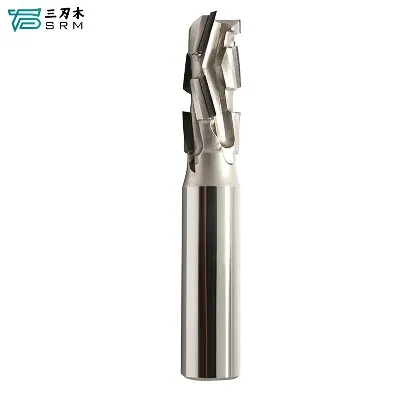
- Carbide Drill Bits: Carbide is an extremely hard material, making carbide drill bits the best choice for drilling through the toughest materials. Solid Carbide Dowel Drill Bit are known for their excellent wear resistance and ability to maintain a sharp cutting edge. They can drill deeper holes in materials like concrete, ceramics, and hardened steel. However, carbide drill bits are more expensive and more brittle than HSS or cobalt bits, so they need to be used with care.
2. Drill Bit Design
The design of the drill bit also has a significant impact on its drilling depth.
- Point Angle: The point angle of a drill bit is the angle formed at the tip of the bit. Different point angles are suitable for different materials. For example, a 118 - degree point angle is commonly used for general - purpose drilling in materials such as wood and mild steel. A 135 - degree point angle, on the other hand, is better for drilling through hard metals. A drill bit with the correct point angle will penetrate the material more easily, reducing the amount of force required and allowing for deeper drilling. If the point angle is too large or too small for the material being drilled, the bit may not cut effectively, and the drilling depth will be limited.
- Flute Design: The flutes are the spiral grooves on the drill bit that help to remove the chips from the hole as the bit drills. The design of the flutes, including their shape, size, and number, affects the chip evacuation process. A drill bit with well - designed flutes can efficiently remove the chips, preventing them from clogging the hole. This allows the bit to continue drilling deeper without getting stuck. For example, a drill bit with wide, deep flutes is better for drilling through soft materials like wood, as it can quickly remove the large chips produced. In contrast, a bit with narrow, closely - spaced flutes is more suitable for drilling through hard materials, where the chips are smaller.
- Shank Type: The shank is the part of the drill bit that fits into the drill chuck. Different shank types, such as straight shanks and hexagonal shanks, are available. A drill bit with a properly fitting shank will transfer the power from the drill to the bit more efficiently. If the shank does not fit securely in the chuck, the bit may slip or vibrate during drilling, reducing the drilling depth and the quality of the hole.
3. Material Being Drilled
The type of material you are drilling into is one of the most important factors affecting the drilling depth.
- Hardness: Harder materials are more difficult to drill through than softer materials. For example, drilling through a block of granite will be much more challenging than drilling through a piece of pine wood. The hardness of the material can cause the drill bit to wear out more quickly, limiting the drilling depth. When drilling through hard materials, it may be necessary to use a slower drilling speed and apply more pressure to the drill. However, excessive pressure can also cause the bit to break or overheat.
- Density: The density of the material also affects the drilling process. Dense materials, such as some metals and composites, require more force to penetrate. This can put more stress on the drill bit and the drill, reducing the drilling depth. In addition, dense materials may produce more heat during drilling, which can further damage the drill bit.
- Composition: Some materials have a complex composition that can make them difficult to drill through. For example, materials with a high percentage of abrasive particles, such as fiberglass or some types of concrete, can quickly wear down the drill bit. In these cases, using a drill bit specifically designed for the material is essential to achieve a greater drilling depth.
4. Drilling Equipment
The quality and capabilities of the drilling equipment used also play a role in the drilling depth.
- Drill Power: The power of the drill is measured in watts or amps. A more powerful drill can provide more torque, which is necessary for drilling through hard materials and achieving greater depths. For example, a heavy - duty drill with a high wattage can easily drill deep holes in thick metal plates, while a low - power drill may struggle to penetrate even a few millimeters.
- Drill Speed: The speed at which the drill rotates affects the drilling process. Different materials require different drilling speeds. For example, when drilling through wood, a higher speed can be used, while drilling through metal usually requires a lower speed. If the drill speed is too high, the drill bit may overheat and wear out quickly. If the speed is too low, the bit may not cut effectively, reducing the drilling depth.
- Drill Stability: A stable drill is essential for accurate and deep drilling. If the drill vibrates or moves during the drilling process, it can cause the drill bit to break or produce an uneven hole. Using a drill press or a drill stand can provide better stability, allowing for deeper and more precise drilling.
5. Drilling Technique
The way you use the drill bit also affects its drilling depth.
- Pressure Application: Applying the right amount of pressure is crucial. Too much pressure can cause the drill bit to break or overheat, while too little pressure may result in the bit not cutting effectively. When drilling, it's important to start with a light pressure and gradually increase it as the bit penetrates the material.
- Cooling and Lubrication: Drilling generates heat, which can damage the drill bit and reduce its lifespan. Using a coolant or lubricant can help to reduce the heat and friction during the drilling process. For example, when drilling through metal, using a cutting oil can improve the drilling efficiency and allow for deeper drilling.
In conclusion, the drilling depth of a drill bit is affected by multiple factors, including the drill bit material, design, the material being drilled, the drilling equipment, and the drilling technique. As a drill bit supplier, I understand the importance of choosing the right drill bit for the job. Whether you need a Countersink Drill Bit for creating recesses, a Solid Carbide Dowel Drill Bit for precise dowel holes, or a Through Hole Drill Bit for drilling all the way through a material, we have a wide range of high - quality drill bits to meet your needs.
If you're interested in purchasing drill bits or have any questions about drilling depths and the best drill bits for your specific application, feel free to contact us for a detailed discussion. We're always ready to provide expert advice and help you find the perfect drill bit for your project.
References
- Oberg, E., Jones, F. D., Horton, H. L., & Ryffel, H. H. (2016). Machinery's Handbook: A Reference Book for the Mechanical Engineer, Designer, Manufacturing Engineer, Draftsman, Toolmaker, and Machinist. Industrial Press.
- Blake, T. R. (2012). Metalworking for Dummies. Wiley Publishing.
- Davidson, J. (2017). Woodworking Basics: A Complete Guide for Beginners. Cool Springs Press.


