








What is the durability of a scoring saw blade?
As a supplier of scoring saw blades, I often get asked about the durability of these essential tools. Durability is a crucial factor when it comes to scoring saw blades, as it directly impacts the cost - effectiveness, performance, and overall user experience. In this blog, we'll explore what durability means for scoring saw blades, the factors that affect it, and how you can ensure you're getting the most out of your blades.


Understanding the Concept of Durability in Scoring Saw Blades
Durability in the context of scoring saw blades refers to the blade's ability to maintain its cutting performance over an extended period. A durable scoring saw blade can withstand repeated use, resist wear and tear, and continue to produce clean, accurate cuts. This is especially important in industrial and professional settings where high - volume cutting is required.
One of the key indicators of a blade's durability is its ability to retain its sharpness. A sharp blade cuts more efficiently, reduces the amount of force needed to make a cut, and produces better - quality cuts. Dull blades, on the other hand, can cause rough cuts, increase the risk of kickback, and put additional stress on the saw and the operator.
Factors Affecting the Durability of Scoring Saw Blades
Blade Material
The material from which the scoring saw blade is made plays a significant role in its durability. High - quality blades are typically made from carbide - tipped steel. Carbide is an extremely hard and wear - resistant material that can withstand the high temperatures and friction generated during cutting. Blades with a higher carbide content or better - quality carbide tend to be more durable. For example, some premium scoring saw blades use micrograin carbide, which offers superior wear resistance and edge retention compared to standard carbide.
Tooth Design
The design of the teeth on a scoring saw blade also affects its durability. Different tooth designs are suitable for different types of cutting applications. For instance, a blade with a triple - chip grind tooth design is often used for cutting hard materials like laminate and veneer. This tooth design helps to break up the material being cut, reducing the stress on the blade and increasing its lifespan. Blades with a more aggressive tooth design may wear out faster but can cut through materials more quickly, while those with a finer tooth design may last longer but cut more slowly.
Cutting Conditions
The conditions under which the scoring saw blade is used have a major impact on its durability. Factors such as the type of material being cut, the cutting speed, and the feed rate all play a role. Cutting hard or abrasive materials like stone or metal will cause the blade to wear out more quickly than cutting softer materials like wood. Similarly, using the blade at a high cutting speed or a high feed rate can increase the stress on the blade and reduce its lifespan. It's important to match the blade to the material being cut and to use the appropriate cutting parameters.
Measuring the Durability of Scoring Saw Blades
There are several ways to measure the durability of a scoring saw blade. One common method is to measure the number of cuts the blade can make before it needs to be sharpened or replaced. This can be done by keeping track of the cutting volume over time. Another way is to evaluate the quality of the cuts made by the blade. As a blade wears out, the quality of the cuts will start to deteriorate, with signs such as rough edges, burning, or chipping.
Some manufacturers also conduct laboratory tests to measure the wear resistance of their blades. These tests involve cutting a standardized material under controlled conditions and measuring the amount of wear on the blade over a set number of cuts.
Ensuring the Longevity of Scoring Saw Blades
As a supplier, I always recommend the following practices to ensure the longevity of scoring saw blades:
- Proper Storage: Store the blades in a dry, clean environment to prevent rust and corrosion. Use blade covers or cases to protect the blades from damage.
- Regular Maintenance: Clean the blades after each use to remove any debris or resin that may have accumulated. Sharpen the blades regularly to maintain their cutting performance. However, be careful not to over - sharpen the blades, as this can reduce their lifespan.
- Correct Usage: Use the blade for the intended application and follow the manufacturer's recommendations for cutting speed, feed rate, and material type. Avoid using the blade on materials that it is not designed for, as this can cause excessive wear and damage.
Our Product Range and Their Durability
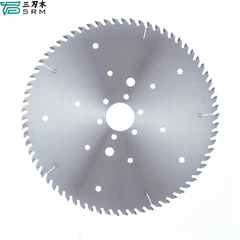
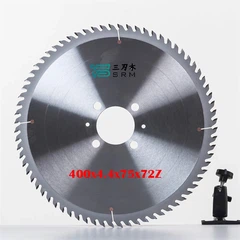
We offer a wide range of scoring saw blades, each designed to meet different cutting needs. Our Panel Sizing Saw Blade is engineered for high - precision cutting of panels. It features a high - quality carbide tip that ensures long - lasting sharpness and durability. Whether you're cutting plywood, MDF, or particleboard, this blade will provide clean and accurate cuts for an extended period.
Our Saw Blade for Acrylic is specifically designed for cutting acrylic materials. The unique tooth design of this blade helps to prevent chipping and cracking, while the high - quality carbide ensures excellent wear resistance. This blade can handle a large number of cuts without losing its cutting edge, making it a cost - effective choice for acrylic cutting applications.
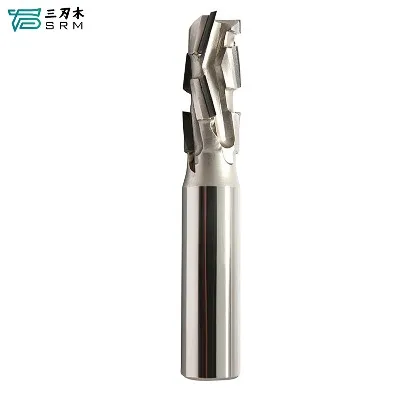
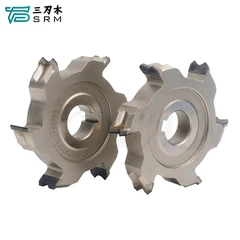
In addition, our Hogging Cutter for Double End Tenoner is built to withstand the heavy - duty cutting requirements of double - end tenoners. It is made from high - strength steel and features a special coating that enhances its durability and resistance to wear.
Conclusion
The durability of a scoring saw blade is a complex but important concept. By understanding the factors that affect durability, such as blade material, tooth design, and cutting conditions, you can make an informed decision when choosing a scoring saw blade. At our company, we are committed to providing high - quality, durable scoring saw blades that meet the needs of our customers.
If you're interested in learning more about our scoring saw blades or would like to discuss your specific cutting requirements, we invite you to contact us. We're here to help you find the perfect blade for your application and ensure that you get the most out of your investment.
References
- "Cutting Tool Engineering Handbook". Industrial Press.
- "Woodworking Machinery and Equipment". Machinery's Handbook Editorial Staff.


